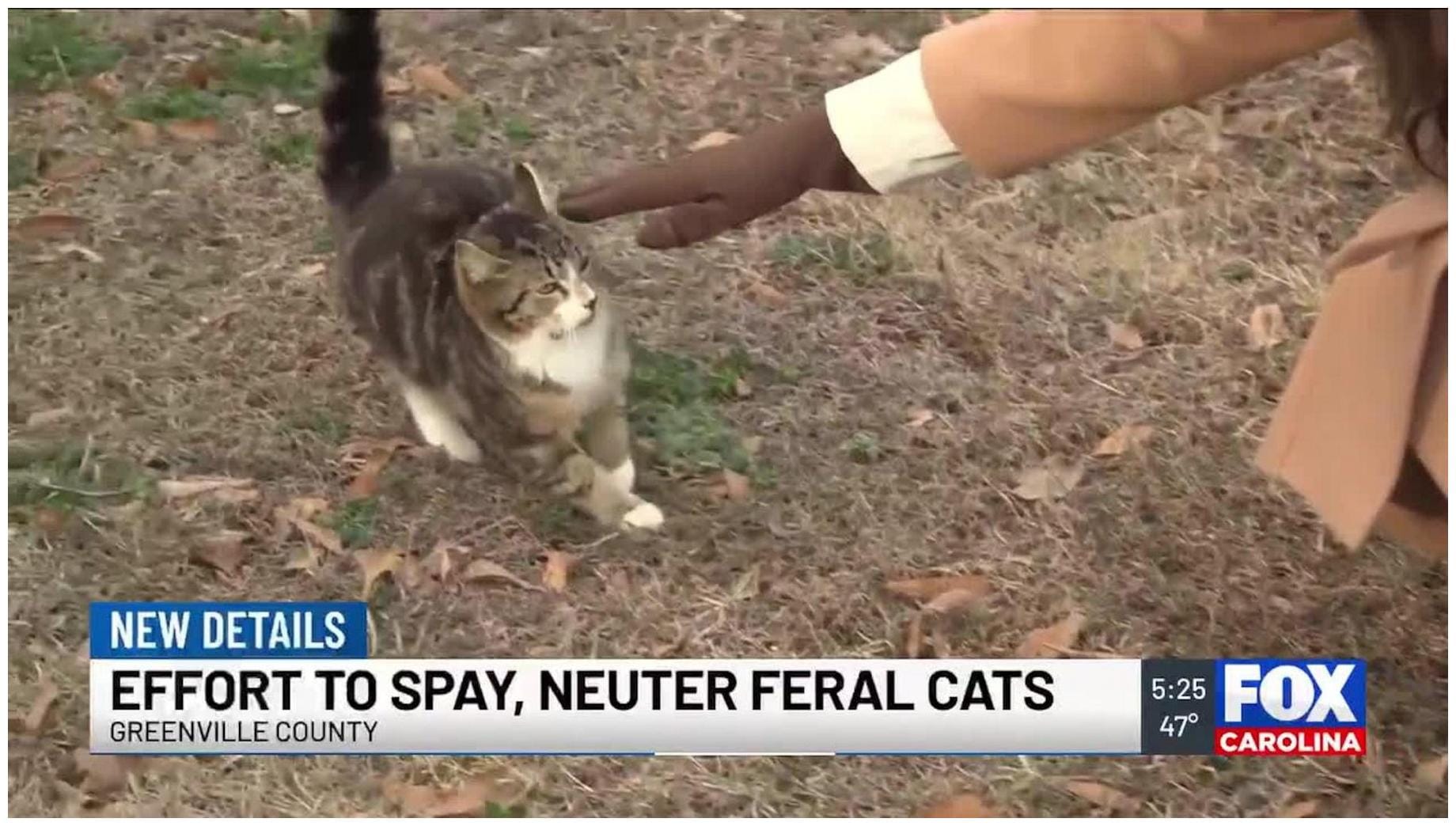
Learn how nonprofits are collaborating to spay and neuter 500 feral cats this weekend, making an amazing impact on community health. Discover the benefits and how you can help.
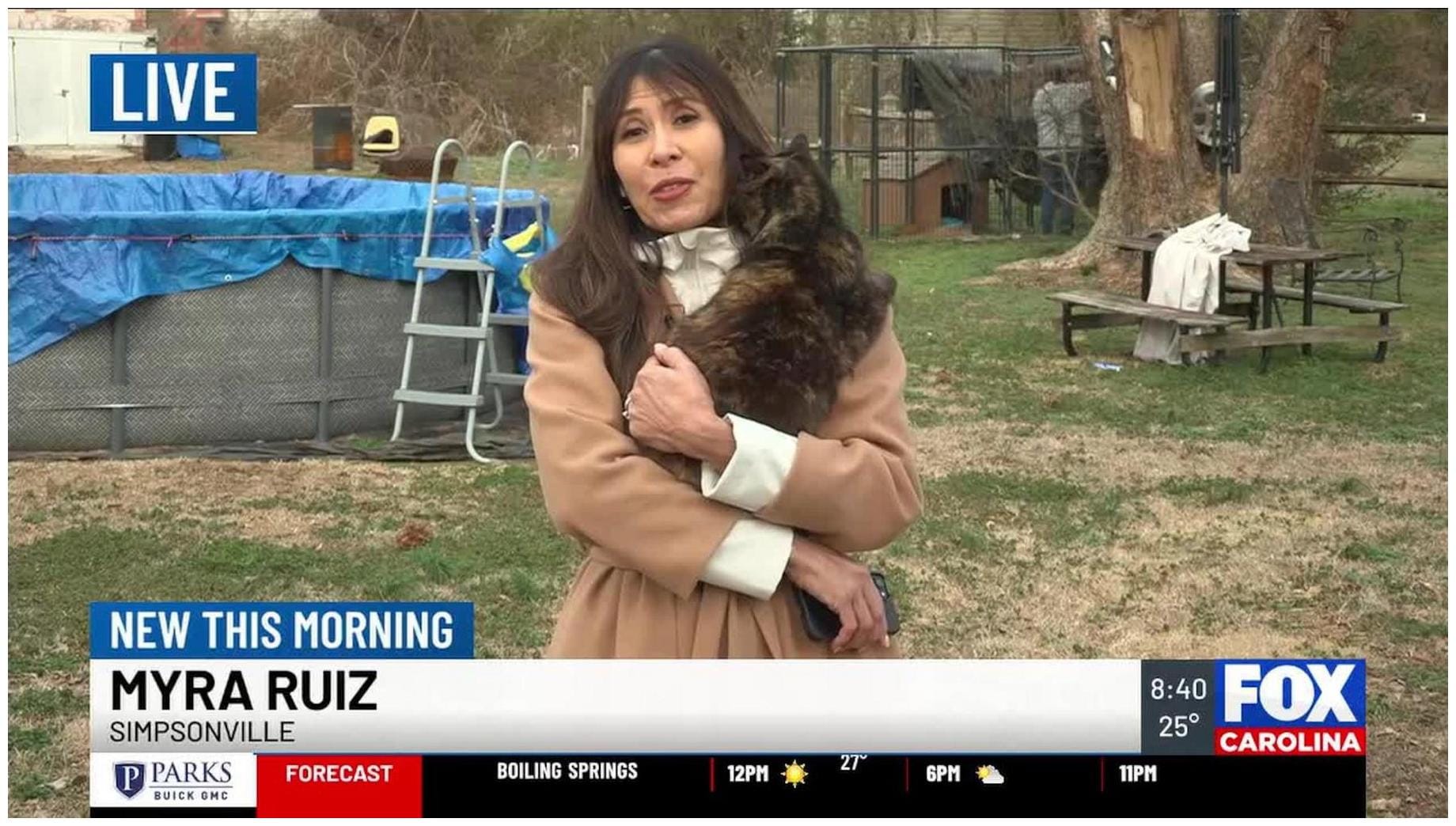
As a caring cat parent, you understand the deep bond we share with our feline friends. But what about the countless cats living outside, facing harsh realities? This weekend, an incredible initiative aims to make a monumental difference for community cats in Greenville County. Nonprofits are collaborating to spay and neuter feral cats, with a remarkable goal of sterilizing 500 cats, preventing future generations of homeless kittens and improving overall feline welfare.
This massive “Community Cat Weekend” event highlights the power of collective action in tackling pet overpopulation. It’s a testament to what dedicated organizations and compassionate individuals can achieve when they unite for a common cause. For many of us, the plight of stray and feral cats can feel overwhelming, but projects like this offer a beacon of hope, showing tangible steps toward a healthier, more balanced co-existence.
Understanding the importance of such programs is key for every modern cat parent. Not only do these efforts directly impact the lives of individual cats, but they also contribute significantly to the well-being of our wider communities and local ecosystems. Let’s delve into this inspiring event and explore why initiatives to manage feral cat populations are so crucial.
The Urgent Need to Spay and Neuter Feral Cats: Why This Matters So Much
You might wonder why such a large-scale effort to spay and neuter feral cats is necessary. The answer lies in the staggering rate at which unsterilized cats reproduce. A single pair of cats and their offspring can produce thousands of kittens in just a few years, quickly leading to overwhelmed communities and shelters. These outdoor cats often face incredibly harsh lives, battling hunger, disease, extreme weather, and injuries. Without intervention, their numbers grow, and so does their suffering. This is why compassionate efforts to control feral cat populations are not just beneficial, but truly essential for their welfare and for our neighborhoods.
Beyond the individual suffering, unchecked feral cat populations can also pose challenges for local communities. Concerns about noise, property damage, and potential impacts on wildlife are often raised. However, responsible management through cat sterilization programs addresses these issues head-on, offering a humane and effective solution that benefits everyone involved. By stabilizing colony sizes and improving the health of individual cats, these programs create a more harmonious environment for both humans and felines.
Understanding Feral Cat Communities
What exactly defines a “feral” cat? Unlike friendly strays who may have once had homes, feral cats are typically unsocialized to humans. They live in colonies, often around food sources, and exhibit wild behaviors. They are fearful of human contact and cannot be adopted into traditional homes. Understanding these distinct characteristics is crucial for implementing effective Trap-Neuter-Return strategies and providing appropriate care without forcing them into an unnatural domestic setting. Their existence is a complex societal issue, not a problem created by the cats themselves.
These cat colonies often form tight-knit social structures, where individuals rely on each other for survival. Disrupting these colonies without proper management can lead to further problems, such as new, unsterilized cats moving into the vacated territory – a phenomenon known as the “vacuum effect.” This highlights why humane and sustainable approaches are always preferable to ineffective and often cruel eradication attempts. Your understanding of their social dynamics helps advocate for the best solutions.
The Ethical Imperative to Spay and Neuter Feral Cats
For any caring cat parent, the idea of animal suffering is heartbreaking. Sterilizing feral cats is, at its core, an act of profound compassion. It directly prevents the birth of countless kittens who would otherwise face lives of hardship and potential early death. Beyond population control, sterilization dramatically improves the health of individual cats by eliminating the stresses of constant breeding, reducing the risk of certain cancers, and decreasing aggressive behaviors associated with mating. This intervention is a fundamental part of responsible pet population management, and vital for efforts to spay and neuter feral cats effectively.
Moreover, these programs significantly reduce the burden on animal shelters, which are already struggling with overcrowding and limited resources. Fewer kittens mean fewer animals entering the adopt a cat system, which in turn means fewer animals facing euthanasia due to lack of space or adoptability. By supporting initiatives to effectively spay and neuter feral cats, you are actively contributing to a more humane world for all animals, ensuring that every cat has a chance at a healthier life, whether in a home or as a valued member of a managed colony.
Community Cat Sterilization in Action: The Inspiring Greenville Initiative
The recent “Community Cat Weekend” in Greenville, highlighted by FOX Carolina, is a shining example of how dedicated organizations can make an enormous difference. Nonprofits like Greenville County Animal Care, Spay/Neuter Upstate, and Foothills Felines teamed up with an ambitious goal: to provide free spay and neuter feral cats services to 500 felines in a single weekend. This kind of concentrated effort allows for a massive impact in a short amount of time, tackling a significant portion of the local unsterilized population.
Such large-scale community cat sterilization events are critical for rapidly reducing the kitten birth rate in target areas. By offering these services at no cost to residents, especially for those in Greenville County, barriers to participation are removed, encouraging more people to bring in the outdoor cats they care for. This collaborative model demonstrates that when resources are pooled and a clear goal is set, truly transformative change for animal welfare is possible. It’s an inspiring blueprint for other communities looking to manage their feral cat populations effectively and humanely.
Who Benefits from These Programs?
The beneficiaries of these intensive spay/neuter programs are numerous. First and foremost, the cats themselves experience significantly improved health and quality of life. They are no longer subjected to the constant strain of reproduction, and often receive vaccinations and basic medical checks during their brief clinic visit. Secondly, local residents benefit from reduced nuisance behaviors associated with intact cats, such as spraying, fighting, and excessive mating calls. The overall cleanliness and tranquility of neighborhoods improve.
Furthermore, animal shelters and rescue organizations see a direct reduction in the number of unwanted kittens and adult cats entering their facilities. This alleviates the immense pressure on their resources, allowing them to focus on rehabilitating and fostering other animals. Finally, the local ecosystem benefits from a more balanced predator-prey dynamic, as stable cat colonies are less likely to overhunt when their numbers are naturally managed. It’s a win-win-win situation for everyone involved.
Behind the Scenes: The Logistics of a Massive Sterilization Drive
Organizing an event to spay and neuter feral cats on this scale is a monumental undertaking that requires meticulous planning and coordination. It begins long before the actual weekend, with extensive outreach to the community to inform residents about the program, how to safely trap cats, and how to register for services. Volunteers play an indispensable role, assisting with everything from transportation and intake to recovery monitoring and data entry. Without their dedication, these events simply couldn’t happen.
On the medical front, a large team of veterinarians, veterinary technicians, and support staff work tirelessly. They set up temporary operating rooms, manage anesthesia, perform hundreds of surgeries, and ensure each cat receives post-operative care. This level of efficiency and expertise is honed through years of experience in high-volume spay/neuter clinics. Witnessing the precision and care involved in these operations provides a powerful reminder of the commitment of these professionals to animal welfare.
The Proven Power of Trap-Neuter-Return (TNR) Programs
The backbone of any successful effort to spay and neuter feral cats is the Trap-Neuter-Return (TNR) methodology. TNR is a humane and effective approach to managing feral cat populations that involves trapping outdoor cats, sterilizing them (spaying females, neutering males), vaccinating them, ear-tipping them (a universal sign that they’ve been sterilized and vaccinated), and then returning them to their original outdoor habitat. This contrasts sharply with outdated “catch and kill” methods, which have proven ineffective and inhumane.
TNR works by stabilizing existing colonies and preventing new births. Once sterilized, cats no longer contribute to the population growth, and nuisance behaviors like yowling and spraying are significantly reduced. The cats themselves often become healthier, as the stresses of breeding and fighting are removed. Many organizations consider TNR the most compassionate and effective long-term solution for managing community cat populations, aligning with the values of modern, caring cat parents.
Components of a Successful TNR Effort
A successful TNR program hinges on several key components. First, effective and humane trapping techniques are paramount. This involves using live traps, often baited with tempting food, and monitoring them closely to minimize stress for the cats. Once trapped, cats are transported to a veterinary clinic for surgery. Here, they receive their spay or neuter procedure, often a rabies vaccination, and the essential ear-tip – a small, painless clip on one ear while under anesthesia, signifying their sterilization status to anyone who encounters them in the future.
After a brief recovery period, usually 24-48 hours, the cats are returned to their original territory. This is crucial because these cats are bonded to their colonies and familiar with their environment. Releasing them elsewhere would be disorienting and potentially dangerous. Ongoing colony care, including providing food, water, and shelter, by dedicated caretakers further enhances the success and welfare of TNR initiatives. These comprehensive steps ensure both the immediate and long-term well-being of the cats.
TNR’s Long-Term Impact on Feral Cat Population Control
The long-term impact of TNR on feral cat population control is well-documented and highly effective. By sterilizing a significant portion of a colony, TNR halts the cycle of reproduction, leading to a gradual and humane reduction in colony size over time. Instead of an endless stream of new kittens, you see a stable, healthier group of adult cats. This process avoids the “vacuum effect” often associated with removal programs, where new, unsterilized cats simply move in to fill the void, perpetuating the problem. You, as a caring cat parent, can play a vital role in supporting these proven methods to spay and neuter feral cats for sustainable pet population management.
How You Can Help Spay and Neuter Feral Cats in Your Area: A Step-by-Step Guide
Inspired by the Greenville initiative, you might be asking: “How can I help spay and neuter feral cats in my own community?” The good news is there are many ways to get involved, whether you’re directly caring for a colony or simply want to support local efforts. Your participation, no matter how small, can make a meaningful difference in the lives of these often-overlooked felines. Every compassionate act contributes to a larger positive change.
Start by observing your local neighborhood. Do you see unsterilized outdoor cats? Are there signs of new litters appearing regularly? Identifying areas with active feral cat colonies is the first step. Next, reach out to local animal shelters, humane societies, or dedicated cat rescue organizations. Many have TNR programs or can direct you to resources for community cat care. They often provide humane traps and guidance on safe trapping practices, making it easier for you to get started.
Getting Started with Community Cat Caretaking
If you’re considering becoming a community cat caretaker, start small and build your knowledge. Assess the cats in your area: how many are there, what are their habits, and do any appear socialized? Begin by safely providing food and water consistently. This not only helps the cats but also builds trust, making trapping easier when the time comes for sterilization. Always check with neighbors and local ordinances regarding feeding outdoor cats to avoid potential conflicts and ensure compliance. This is a crucial first step before you aim to spay and neuter feral cats in your area.
Post-Care Essentials for Spayed and Neutered Feral Cats
Once a feral cat has undergone surgery, proper post-operative care is crucial for a smooth recovery. This typically involves keeping the cat in a safe, warm, and quiet recovery space (like a large dog crate covered with a blanket) for 24-48 hours, providing food, water, and monitoring for any complications. Ensure they stay dry and comfortable. Once they are fully recovered and alert, they can be safely returned to their original colony. This careful recovery process minimizes stress and maximizes the success of efforts to spay and neuter feral cats.
Beyond the immediate recovery, ongoing monitoring of the colony is important. Look out for any new, un-ear-tipped cats that might join the group, as they will also need to be sterilized to maintain population control. Continue providing food and water, and if possible, offer sheltered spaces, especially during inclement weather. Your consistent care helps these cats live healthier, more stable lives as valued members of their community.
Common Mistakes to Avoid in Feral Cat Population Management
While the goal of managing feral cat populations is universally positive, certain approaches can be counterproductive or even harmful. One common mistake is “trap and remove” without sterilization. Simply removing cats from an area without addressing the underlying issues often leads to the “vacuum effect,” where new, unsterilized cats quickly move into the vacant territory, leading to a new cycle of reproduction and the original problem re-emerging. This method is costly, ineffective, and can be emotionally distressing when trying to spay and neuter feral cats for population control.
Another pitfall is providing food without following through with sterilization. While feeding outdoor cats is an act of kindness, it can inadvertently support larger, unmanaged colonies that continue to reproduce. If you’re feeding feral cats, committing to a TNR program for them is the most responsible and compassionate approach. Always prioritize sterilization as part of your feeding routine to ensure you’re truly helping, not just delaying a larger problem.
The Pitfalls of “Catch and Kill” Approaches
Historically, many communities resorted to “catch and kill” policies for managing feral cat populations. However, these methods have been widely debunked as both ineffective and ethically unsound. Not only do they cause immense suffering to animals, but they also fail to provide a lasting solution due to the aforementioned “vacuum effect.” The immediate removal of cats creates a void that is quickly filled by new, often unsterilized, cats migrating from surrounding areas or surviving individuals reproducing at an accelerated rate.
Modern animal welfare science strongly advocates for humane, non-lethal strategies like TNR. These approaches address the root cause of overpopulation by preventing births, leading to a gradual and compassionate decline in colony size. As a caring cat parent, understanding why “catch and kill” is detrimental empowers you to advocate for and support more enlightened, effective, and humane policies in your own community.
Misconceptions About Feral Cat Behavior
Many misconceptions surround feral cat behavior, often leading to fear or misunderstanding. One common myth is that feral cats are inherently dangerous or a significant threat to public health. In reality, with proper vaccinations (as provided during TNR), the risk of disease transmission is very low. Another frequent concern is their impact on wildlife. While cats are predators, well-managed, stable TNR colonies, especially those with consistent food sources, often have less impact on wildlife than unmanaged, reproducing populations that must hunt constantly to survive.
It’s also important to distinguish between truly feral cats and stray cats. Strays are often lost or abandoned pets who may be socialized and could potentially be adopted. Feral cats, having grown up without human contact, are generally not candidates for adoption. Recognizing these differences allows for tailored, effective, and compassionate approaches to care for each type of outdoor cat. Your informed perspective is crucial for promoting accurate understanding.
Expert Advice and Best Practices for Community Cat Welfare
For those passionate about community cat welfare, expert advice consistently points towards several best practices. Collaboration is paramount: local animal control, humane societies, rescue groups, and community volunteers must work together. This creates a powerful network, sharing resources, knowledge, and manpower to maximize impact. You don’t have to tackle this immense challenge alone; there’s strength in numbers and shared purpose for initiatives to spay and neuter feral cats.
Another crucial best practice is consistent effort. Feral cat management is not a one-time event but an ongoing commitment. Regular monitoring of colonies, promptly trapping and sterilizing new cats that appear, and maintaining feeding stations are all part of a sustainable strategy. Education and outreach are also vital. Informing your community about the benefits of TNR and dispelling myths can foster greater acceptance and support for these life-saving programs.
The Role of Legislation and Community Support
Effective feral cat management is significantly bolstered by supportive local legislation and strong community backing. Local ordinances that recognize and protect TNR programs, rather than prohibiting them, create a more favorable environment for non-profits and volunteers to operate. Advocating for such policies with your local government can make a substantial difference. Informed policymakers can enact regulations that align with humane best practices, paving the way for more widespread and successful initiatives to spay and neuter feral cats.
Community support extends beyond just legislation; it involves public awareness and financial contributions. Donating to organizations running TNR programs, volunteering your time, or even simply spreading the word about the importance of these efforts are all ways to contribute. When a community embraces its role in caring for its most vulnerable members, including its outdoor cat population, everyone benefits from a more compassionate and harmonious environment.
Embracing Compassion: A Holistic Approach
Ultimately, community cat welfare demands a holistic approach that extends beyond just sterilization. While spay and neuter are foundational, true compassion also encompasses providing basic necessities and advocating for the cats’ well-being. This includes ensuring access to consistent food and fresh water, and offering safe, insulated shelters during harsh weather. These measures dramatically improve the quality of life for feral cats, allowing them to live out their lives with dignity and comfort.
A holistic approach also means recognizing the inherent value of every life and working towards solutions that are both effective and humane. It’s about understanding that these cats exist due to human actions and that we, as a society, have a responsibility to mitigate their suffering. By embracing this broader view, you contribute to a compassionate world where even the most independent felines are treated with respect and care, leading to healthier communities for all.
Conclusion: The Future of Spay and Neuter Feral Cats Initiatives
The “Community Cat Weekend” in Greenville County is a powerful reminder of what’s possible when caring individuals and dedicated organizations unite to address the challenge of feral cat overpopulation. The commitment to spay and neuter feral cats on such a large scale offers a blueprint for communities everywhere, demonstrating that humane and effective solutions are within reach. These initiatives are not just about numbers; they are about preventing suffering, promoting health, and fostering a more compassionate world for our feline friends.
As modern cat parents, your awareness and support are invaluable. Whether through volunteering, donating, or simply educating others about the benefits of Trap-Neuter-Return, you play a crucial role in shaping the future of community cat welfare. The ongoing efforts to manage and care for outdoor cat populations reflect our collective humanity and our commitment to ensuring every cat, domestic or feral, has the chance to live a healthy and peaceful life. Let’s continue to champion these vital programs and work towards a future where every community cat thrives.

- Understand Feral vs. Stray: Feral cats are unsocialized and cannot be adopted, requiring a TNR approach. Strays may be lost pets and can often be rehabilitated for adoption. Knowing the difference helps you choose the right intervention.
- Start Small with Trapping: If you’re new to TNR, begin by targeting one or two cats in a managed colony. This allows you to learn proper techniques and build confidence before taking on larger numbers. Patience is key in securing successful traps.
- Ensure Proper Recovery Space: After surgery, feral cats need a quiet, warm, and secure kitten recovery space (like a covered trap or large crate) for 24-48 hours. This minimizes stress and aids healing before they are returned to their colony.
- Ear-Tipping is Essential: Always ensure a feral cat undergoing sterilization is ear-tipped. This universally recognized mark prevents unnecessary re-trapping and re-surgery, clearly indicating they are a sterilized, vaccinated community cat.
- Support Local TNR Organizations: Even if you can’t trap yourself, donating money, supplies, or your time to local groups that support nonprofit cat care is invaluable. They rely heavily on community support to fund their life-saving work.
- Educate Your Neighbors: Help dispel cat behavior myths about feral cats and TNR programs. Share factual information about their benefits for both cats and the community, fostering understanding and support for humane population control.
- Consistent Feeding is Crucial: If you choose to feed a feral cat colony, do so consistently. This not only helps the cats maintain health but also establishes a routine that makes trapping for sterilization much easier when the time comes.
- Provide Winter Shelters: Especially in colder climates, offering insulated, predator-proof outdoor shelters can dramatically improve the quality of life for feral cats and help them survive harsh winter conditions. Simple DIY options are available.
- Monitor for New Cats: Regularly observe your managed colony for new, un-ear-tipped cats. Promptly addressing new arrivals with TNR ensures the long-term effectiveness of your population control efforts and prevents new litters.
- Advocate for Humane Policies: Engage with your local government to support ordinances that protect and promote Trap-Neuter-Return programs. Your voice can help shape policies that prioritize humane solutions for community cats.