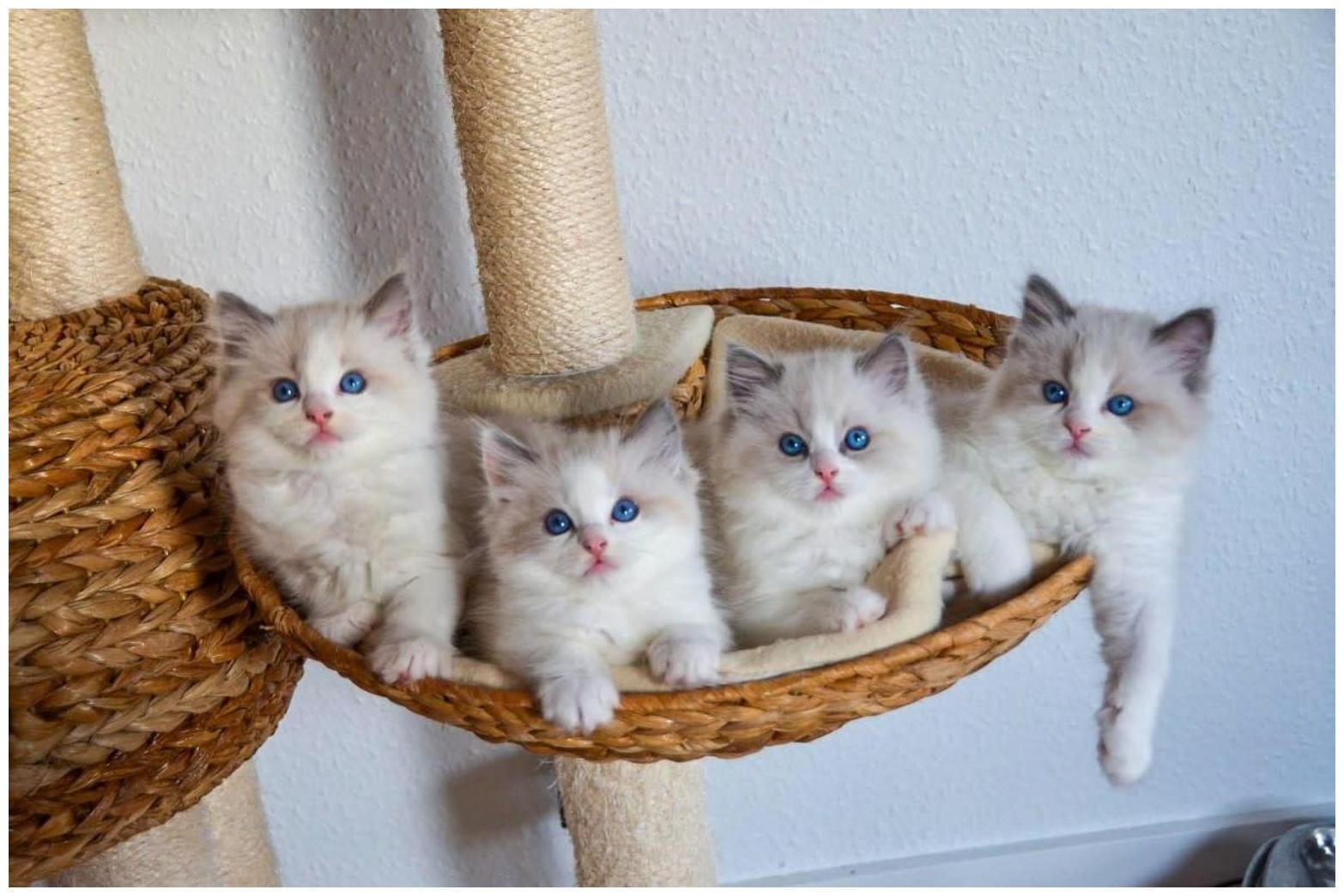
Witness adorable Ragdoll kittens playing together in beautiful synchronicity with their loving mother. Discover insights into their crucial development and heartwarming bonding moments. Explore now!
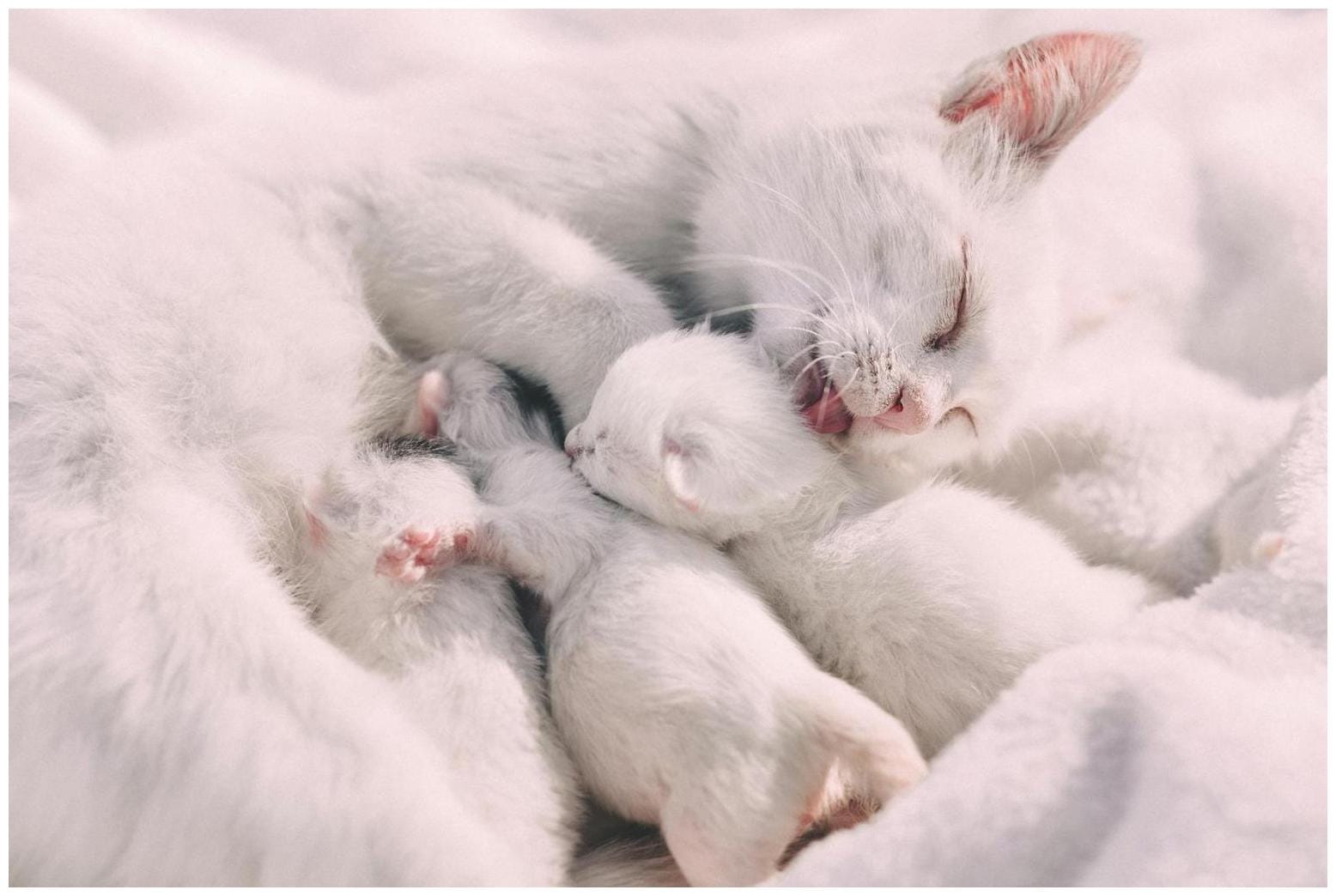
Gorgeous Ragdoll Kittens Playing Together: Perfect Sync with Mom
Have you ever watched a group of kittens so perfectly in tune, it feels like they’re performing a choreographed dance? If you’re a caring modern cat parent, you know the pure delight of witnessing your furry companions at play. Few sights are as captivating as seeing Ragdoll kittens playing together, especially when their graceful movements mirror each other in perfect harmony with their doting mother.
This synchronized playtime isn’t just incredibly cute; it’s a vital part of their early development, learning, and strengthening those essential family bonds. It’s a window into their social world, where they learn crucial skills that will shape them into well-adjusted, confident adult cats.
Join us as we dive into the enchanting world of Ragdoll kitten playtime, exploring why these moments are so special and what you, as their loving human, can do to foster their natural instincts and ensure a happy, healthy upbringing.
Why Observing Ragdoll Kittens Playing Together Matters
Watching Ragdoll kittens playing together offers more than just entertainment; it provides valuable insights into their physical and social development. Their playful interactions are foundational for understanding feline behavior, learning crucial social dynamics, and building confidence. It’s a critical period where instinct meets learning, guided by their mother.
The Joys of Synchronized Play
The sight of Ragdoll kittens moving in unison, pouncing, wrestling, and chasing, is a testament to their strong litter bonds and innate instincts. This synchronized play isn’t merely random; it’s a complex ballet of social interaction. They are learning to anticipate each other’s moves, refining their hunting skills, and understanding the give-and-take of social dynamics.
For you, the cat parent, these moments offer pure joy and a deeper appreciation for the intricate world of feline communication. You’ll notice how they mimic their mother’s hunting techniques or learn the boundaries of play from their siblings. It’s a beautiful display of nature at its finest, showing how effortlessly they learn from their environment and each other.
Every coordinated leap and gentle bite exchanged is a lesson in progress. This stage is crucial for developing motor skills, agility, and balance, which are essential for their health and well-being as they grow. The shared experience of play also solidifies their familial connections, making them feel secure and loved within their group.
Developmental Milestones During Playtime
Playtime for Ragdoll kittens is a dynamic classroom where countless developmental milestones are reached. From around three to seven weeks old, kittens transition from reflexive movements to coordinated play. During these formative weeks of development, you’ll observe them developing depth perception, improving their coordination, and learning to control their claws and bites.
These interactions are vital for their social maturity. They learn about proper bite inhibition—understanding how hard is too hard—and appropriate social boundaries from their littermates and mother. Without this crucial early play, kittens can sometimes struggle with social skills later in life, leading to issues like overly rough play or fearfulness.
Furthermore, playtime stimulates their cognitive development, encouraging problem-solving as they figure out how to ‘catch’ a toy or ‘outsmart’ a sibling. It’s an energetic burst of learning that prepares them for a lifetime of interaction, exploration, and mental stimulation, all while they’re just enjoying being tiny, playful felines. To learn more about this crucial period, consider resources on Ragdoll kitten development.
Understanding Ragdoll Kitten Play with Their Mother
The mother cat, or queen, plays an indispensable role in shaping how Ragdoll kittens playing together interact and learn. Her guidance, presence, and participation in play are critical for their social and behavioral development, laying the groundwork for well-adjusted adult cats.
The Role of the Queen in Kitten Socialization
A mother cat is more than just a provider of nourishment; she is the kittens’ first and most important teacher. Through her interactions, she models appropriate feline behavior, from grooming to hunting simulations. When she engages in play with her kittens, she teaches them crucial social cues, boundaries, and communication methods.
She demonstrates how to stalk, pounce, and safely interact, often using gentle nips or playful swatting to teach them bite and claw inhibition. This natural instruction from their mother is far more effective than any human attempt, as it’s delivered in the universal language of felines. Her involvement ensures that kittens develop confidence without becoming overly aggressive or fearful. Observe the natural instincts of Ragdoll kittens with their mother.
Moreover, the queen provides a sense of security and comfort, allowing her kittens to explore and experiment with play in a safe environment. Her presence acts as a buffer, helping them navigate new experiences and recover from minor tumbles or spats with siblings. This foundational socialization is priceless for their future well-being.
Mimicry and Learning in Ragdoll Kitten Play
Kittens are expert observers and mimics. They watch their mother intently and replicate her actions, especially during playtime. This observational learning is fundamental to how Ragdoll kittens acquire skills and behaviors. You’ll often see them mirroring their mom’s body language, her hunting postures, and even her chosen play items.
When the queen plays with a toy, her kittens are not just joining in; they are actively learning how to engage with objects, how to use their paws effectively, and how to sequence their movements. This imitation isn’t limited to physical actions; they also learn emotional responses, like curiosity and caution, from her example.
This period of mimicry solidifies their understanding of the world around them and their place within it. It’s a powerful, innate learning mechanism that ensures the continuity of essential survival and social skills across generations. Encouraging this natural learning process is key to raising confident and well-rounded Ragdolls.
Creating the Ideal Environment for Ragdoll Kitten Play
To truly foster the joyful and developmental playtime of Ragdoll kittens playing together, creating a stimulating and safe environment is paramount. Thoughtful preparation ensures their play is not only fun but also enriching and conducive to healthy growth.
Essential Playtime Toys and Spaces
Variety is key when it comes to toys for growing Ragdoll kittens. Offer a mix of textures, shapes, and sizes to engage their senses. Crinkle balls, soft plush mice, feather wands, and puzzle feeders are excellent choices. Ensure all toys are safe, durable, and free from small parts that could be swallowed. Rotating toys can keep their interest piqued and prevent boredom.
Beyond toys, consider the physical space. Kittens need climbing opportunities like cat trees or sturdy shelves, tunnels for hiding and ambushing, and scratching posts to hone their claws. A designated play area, even if small, can help them associate specific zones with energetic activity, providing a safe outlet for their boundless energy, especially if you have kitten-proofed your home.
Remember that even simple household items can become fascinating toys. A cardboard box, a crumpled piece of paper, or an empty paper towel roll can provide hours of entertainment. Always supervise playtime, especially with new toys, to ensure their safety and your peace of mind as a caring cat parent.
Encouraging Healthy Interaction
While kittens often entertain themselves, your interaction is crucial. Engage in interactive play with wand toys or laser pointers (always ending with a physical toy for them to ‘catch’ to prevent frustration). This strengthens your bond and helps direct their play instincts positively, teaching them that human hands are for petting, not biting.
If you have multiple kittens, observe their group dynamics. Gentle sibling rivalry is normal and healthy, but intervene if play becomes consistently aggressive or one kitten is constantly bullied. Encourage cooperative play by offering multiple toys or engaging several kittens at once with a single interactive toy.
Providing opportunities for both individual and group play ensures that each kitten develops at their own pace while also benefiting from the social lessons of the litter. Healthy interaction fosters emotional well-being and helps them become balanced, friendly companions.
Common Mistakes to Avoid When Ragdoll Kittens are Playing Together
While observing Ragdoll kittens playing together is delightful, it’s easy for well-meaning cat parents to make mistakes that can inadvertently hinder their development or reinforce undesirable behaviors. Being aware of these pitfalls can help you guide their play more effectively.
Over-Interference vs. Supervision
It’s natural to want to protect your tiny Ragdolls, but constantly intervening in their play can disrupt their learning process. Kittens need to work out their own social hierarchies and learn bite inhibition from each other. Over-interference can prevent them from developing crucial social skills and problem-solving abilities.
However, this doesn’t mean you should leave them unsupervised entirely. Instead, aim for smart supervision. Watch for signs of genuine distress or consistent bullying. A quick, sharp clap or a gentle verbal ‘no’ can redirect overly rough play without completely stopping the interaction. Your presence should be reassuring, not constantly interjecting.
The goal is to allow them the freedom to explore their play instincts while ensuring their safety. Learn to distinguish between normal boisterous kitten play and genuinely aggressive behavior. Often, what looks like a fierce battle is just healthy learning in action.
Recognizing Play vs. Aggression
Differentiating between playful wrestling and true aggression is a vital skill for any cat parent. Playful aggression usually involves loose body language, retracted claws, playful bites that don’t break skin, and a readiness to switch roles (pouncer becomes pounced). You’ll often see ‘play bows’ or wiggling bottoms before a mock attack.
True aggression, conversely, will feature stiff body language, flattened ears, dilated pupils, hissing, growling, and consistently unretracted claws. The attacking kitten won’t let up, and the victim will show clear signs of fear or pain, trying to escape rather than re-engage. If you observe these signs, immediate but calm intervention is necessary.
Separate the kittens and give them a cooling-off period before reintroducing them. Consistent aggressive behavior warrants a consultation with a vet or a feline behaviorist. Early intervention is key to preventing long-term behavioral issues and ensuring all your kittens feel safe and secure. Understanding Ragdoll cat behavior is key.
Expert Advice for Nurturing Your Ragdoll Kittens’ Play Instincts
As devoted cat parents, you want the best for your Ragdoll kittens playing together. Integrating expert advice into your routine can significantly enhance their well-being, ensuring their play is not only fun but also profoundly beneficial for their development.
The Importance of Routine and Consistency
Cats, especially kittens, thrive on routine. Establishing consistent playtimes each day helps regulate their energy levels and provides a predictable outlet for their instincts. Try to schedule play sessions around their natural energy peaks, often in the morning and evening, to maximize engagement and enjoyment.
Consistency also applies to your behavior and the environment. Keep toys organized and accessible, and ensure that family members follow similar play guidelines to avoid confusion. A predictable routine reduces stress and allows kittens to feel secure, fostering an environment where they are more likely to engage in healthy, confident play.
Remember that even during ‘unstructured’ playtime, a consistent approach from you helps reinforce positive behaviors and builds trust. Your reliability is a cornerstone of their developing sense of security and happiness. Make play a cherished, regular part of your shared life.
When to Seek Professional Guidance
While most kitten play is normal and healthy, there are instances when professional guidance can be invaluable. If you notice persistent aggressive behavior that doesn’t resolve with intervention, or if a kitten seems overly timid, withdrawn, or unwilling to play, it might be time to consult an expert. These behaviors can be indicators of underlying health issues or social anxiety.
A veterinarian can rule out any medical conditions affecting play or behavior. If health is not an issue, a certified feline behaviorist can offer tailored strategies to address specific behavioral challenges. They can help you understand the root cause of the issue and implement effective solutions, creating a more harmonious home for your Ragdolls. Consider seeking professional veterinary guidance.
Don’t hesitate to seek help if you’re concerned. Early intervention often leads to better outcomes and ensures your kittens grow into well-adjusted, happy adult cats. Investing in their behavioral health is just as important as their physical health.
Conclusion: Celebrating Ragdoll Kittens Playing Together
Observing Ragdoll kittens playing together, especially with their mom in perfect sync, is a truly heartwarming experience for any cat parent. These precious moments are far more than just cute; they are fundamental building blocks for their physical, social, and emotional development. From learning bite inhibition to mastering hunting skills and forging unbreakable bonds, playtime is their classroom and their playground.
By providing a safe, stimulating environment, understanding the nuances of kitten play, and knowing when to intervene or seek professional advice, you are actively contributing to their well-being. Embrace these delightful displays of coordinated energy and growing personalities. Your dedication ensures that these gorgeous Ragdoll kittens will mature into confident, affectionate, and well-adjusted companions, enriching your life for years to come, and understanding the value of Ragdolls.
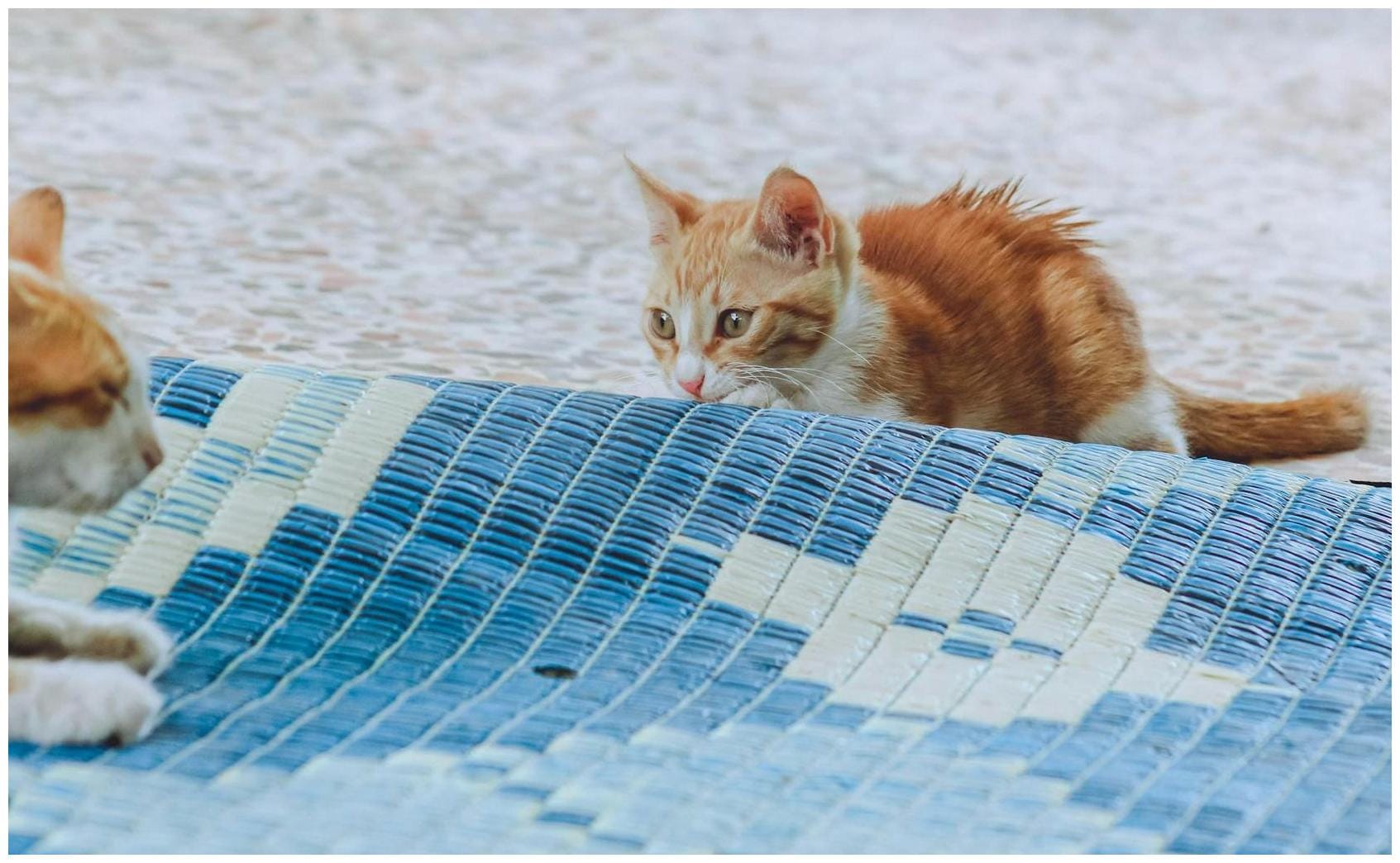
- Rotate Play Toys Regularly: Keep playtime fresh and exciting by cycling through different toys every few days. This prevents boredom and keeps your Ragdoll kittens engaged and curious about new stimuli, encouraging varied play styles and skill development. Explore options for Ragdoll kitten playtime.
- Designate Safe Exploration Zones: Create specific, safe areas for your kittens to explore and play without constant supervision. Ensure these zones are kitten-proofed, free from hazards, and offer climbing, hiding, and scratching opportunities, ideal for Ragdoll kittens playing together and ensuring a safe kitten-proofed home.
- Mimic Prey with Interactive Wands: Use wand toys to simulate natural prey movements, encouraging your kittens’ hunting instincts. Drag the toy away from them, hide it, and let them ‘catch’ it frequently to satisfy their predatory drive and build confidence.
- Encourage Gentle Handling Early: While playing, gently handle your kittens’ paws, ears, and mouth. This desensitizes them to touch, making vet visits and grooming less stressful as they grow, and reinforces trust between you and them.
- Observe Group Dynamics Closely: Pay attention to which kittens are more dominant or shy during play. Understanding their individual personalities helps you tailor play sessions and ensure all kittens get adequate social interaction without being overwhelmed or bullied.
- Integrate Scent Enrichment: Introduce new, safe scents (like catnip, if they respond, or specific cat-safe herbs) into their play area or on certain toys. Scent enrichment adds another layer of mental stimulation and keeps their environment interesting, but always ensure catnip is safe for kittens.
- Provide Scratching Alternatives: Offer a variety of scratching surfaces – vertical, horizontal, cardboard, sisal. This prevents your furniture from becoming their scratching post and satisfies their innate need to groom their claws, an important part of healthy feline behavior.
- Establish Consistent Play Schedules: Set regular times each day for play sessions. This predictability helps manage their energy, reduces potential destructive behavior from boredom, and strengthens their bond with you, knowing when to expect fun.
- Teach ‘Gentle’ Play: If a kitten plays too roughly with you, immediately disengage and ignore them for a few minutes. This teaches them that rough play ends the fun, reinforcing gentle interactions as they learn not to bite.
- Reward Calm Behavior: Occasionally reward moments of calm, quiet play or resting near you with praise or a small treat. This reinforces that peaceful behavior is also valued and helps them understand the balance between high-energy play and relaxation.