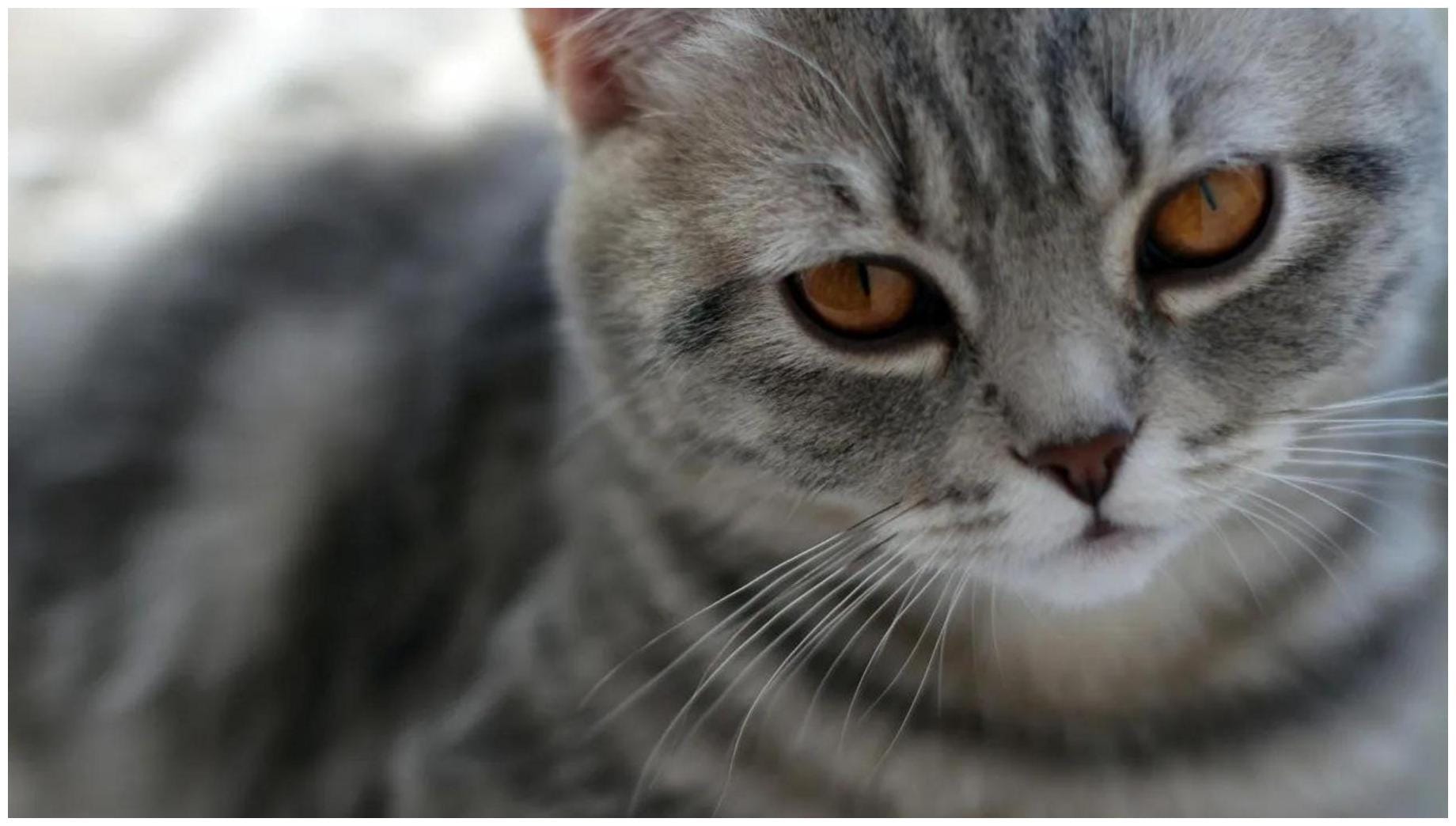
Discover Sky’s heartwarming journey from an aggressive cat who lost kittens to a doting mother. Learn how love transformed her and how you can help rescued cats find their forever joy.
Have you ever wondered if a cat’s heart, once hardened by loss, could ever truly open again? The story of Sky, an aggressive cat who lost her kittens, offers a profound answer that will touch the hearts of caring modern cat parents everywhere. Her journey is a testament to the transformative power of love and the incredible instinct of motherhood, even in the most challenging circumstances, much like when cats move their kittens to a safer place.
Initially arriving at a shelter, Sky was a picture of fear and hostility. She hissed, she swatted, and she kept everyone at bay. Her past, filled with the recent, tragic loss of her own litter, had left her heartbroken and defensive. This aggressive cat who lost kittens seemed destined for a life of isolation, but fate had other plans.
The tale of Sky is more than just a heartwarming anecdote; it’s a powerful reminder that every animal, regardless of their past trauma, deserves compassion and a chance at a loving future. It highlights the profound bond between a mother and her young, even when those young are not her own biological offspring.
Overview: Understanding the Heart of an Aggressive Cat Lost Kittens
When a cat loses her kittens, the emotional toll can be immense, often manifesting as sudden behavioral changes. For Sky, this grief turned into aggression, a protective mechanism born from profound sorrow. It’s a heartbreaking scenario many rescues encounter: an aggressive cat who lost her kittens, seemingly beyond reach.
Understanding this behavior is crucial for anyone working with or adopting rescued cats. It’s not about malice, but rather a deep-seated pain and confusion. Their world has been turned upside down, and their natural instincts to nurture have been tragically thwarted. This can make them wary, defensive, and yes, sometimes aggressive towards humans and other animals.
The Silent Grief of a Mother Cat
Mother cats form incredibly strong bonds with their kittens. Observing when newborn kittens open their eyes can offer insight into these early bonds. The sudden loss can trigger a grief response akin to what humans experience, including depression, anxiety, and a profound sense of emptiness. For Sky, this manifested as lashing out, a way to keep further pain at bay.
Why Aggression Can Be a Cry for Help
An aggressive display from a cat who has suffered loss is often a plea for help, not a sign of an untreatable temperament. Their natural maternal instincts are still present, but without an outlet, they can become confused and frustrated. Recognising this underlying sorrow is the first step in helping such a cat heal and transform.
Sky’s Unforeseen Mother Cat Adoption Story
The turning point for Sky came with the arrival of Potato, a tiny, orphaned kitten in desperate need of a mother’s care. It was a leap of faith by the shelter staff, but one that paid off in the most spectacular way. Placing an abandoned kitten with an aggressive cat lost kittens wasn’t without risk, but it proved to be the catalyst for Sky’s incredible transformation.
A Glimmer of Hope: Meeting Potato
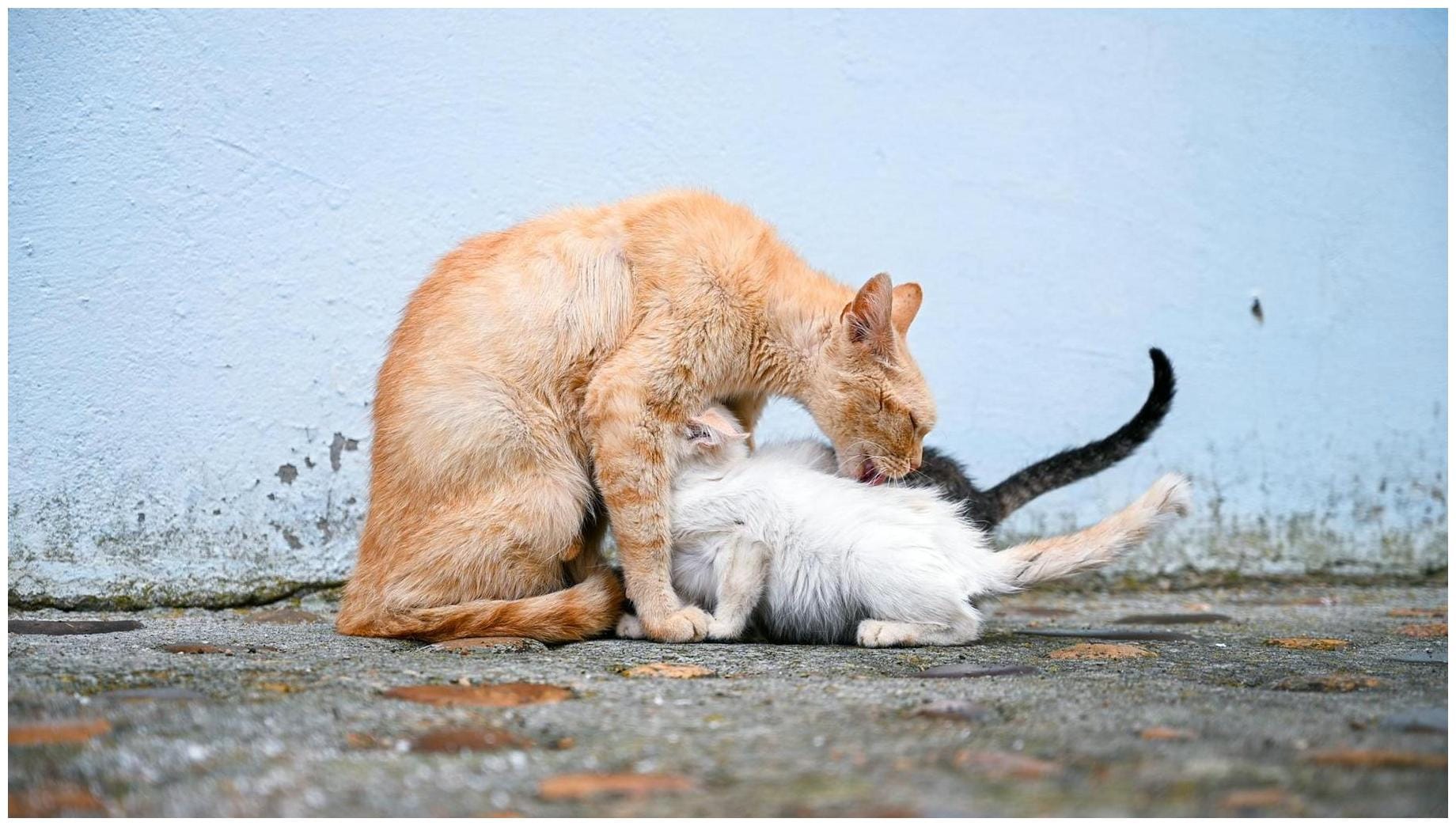
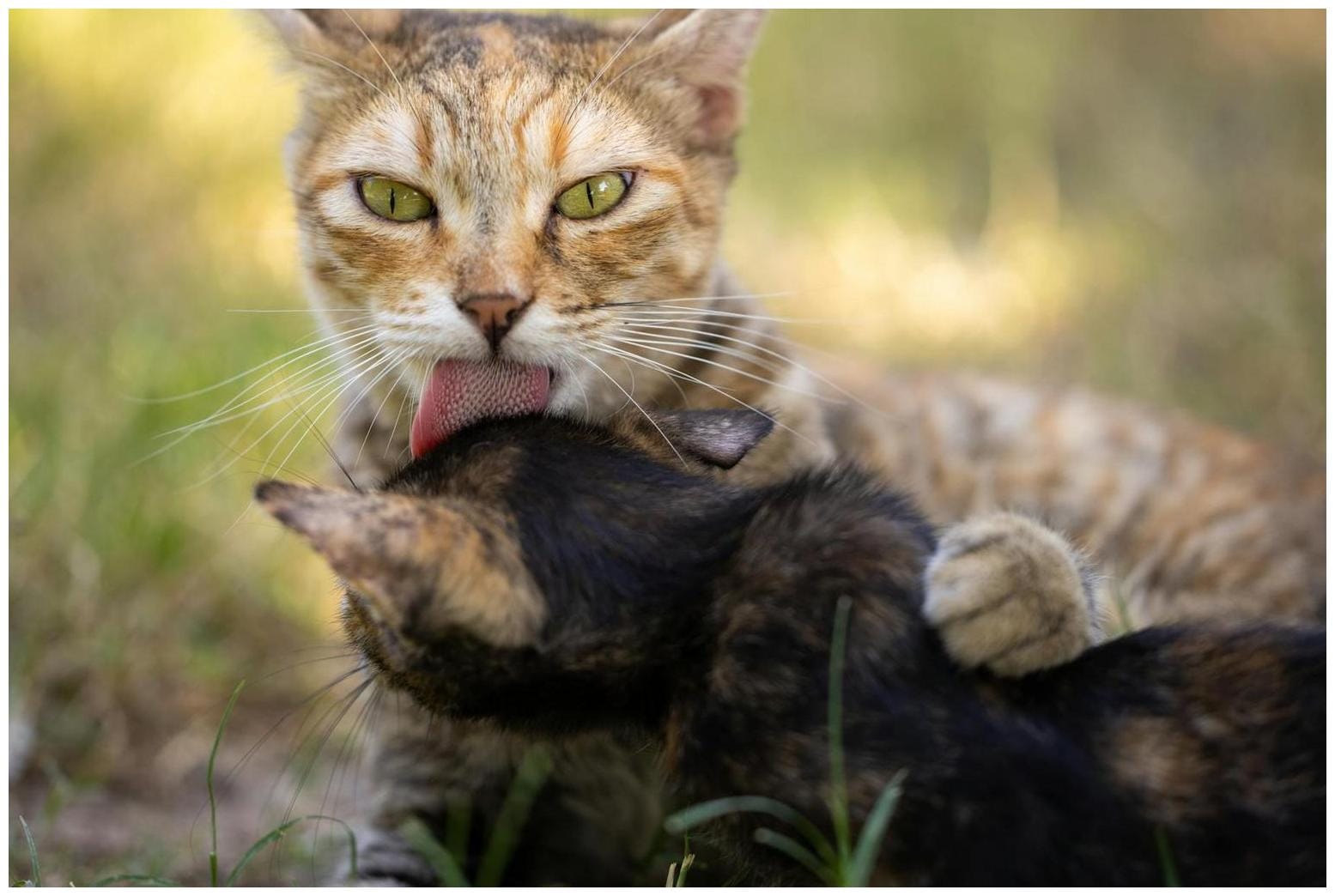
When Potato was carefully introduced, Sky’s aggressive posture slowly softened. Her initial curiosity quickly evolved into a maternal tenderness. She began to groom the tiny kitten, a clear sign of acceptance and burgeoning affection. It was a pivotal moment, showing that her maternal instincts, though buried by grief, were still very much alive.
The Instant Bond: From Hisses to HUGS
What followed was nothing short of miraculous. Sky, who had previously been untouchable, became fiercely protective and loving towards Potato. She purred, she cuddled, and she displayed all the classic signs of a devoted mother. The presence of a kitten to nurture filled the void left by her own lost litter, healing her emotional wounds with every tender lick.
The Remarkable Way a Cat Becomes a Loving Mom
Sky’s journey showcases how profoundly a cat becomes a loving mom when given the chance to express her natural instincts, leading to a truly remarkable rescued cat transformation. This isn’t just a phenomenon unique to Sky; many foster parents and shelters witness similar transformations. It highlights the inherent capacity for love and nurturing that exists within many female cats, even those with difficult pasts.
Nurturing Instincts Reawakened
For a cat like Sky, the act of caring for a vulnerable kitten reawakens dormant maternal instincts. Grooming, protecting, and comforting the kitten provides a purpose and outlet for her natural behaviors, which were previously suppressed by grief. This redirection of energy from aggression to nurturing is key, especially when considering integrating a kitten with an older cat.
The Healing Power of Purpose
Having a kitten to care for gave Sky a new purpose, helping her to move beyond her trauma. It’s a powerful reminder that animals, much like humans, thrive when they have a role and a connection. This newfound purpose allowed her true, sweet nature to shine through, transforming her from an aggressive cat who lost kittens into a gentle caregiver.
Steps to Supporting a Rescued Cat’s Transformation
If you encounter or adopt an aggressive cat lost kittens, there are concrete steps you can take to aid their healing journey. Remember, patience and understanding are paramount. You can make a difference in helping them transition from trauma to a loving, secure future.
Step 1: Create a Safe and Secure Environment
Start by providing a quiet, dedicated space where the cat feels safe and unthreatened. This should include a comfortable bed, food, water, and a litter box. Minimise stressors and loud noises. A secure base allows them to decompress and begin to trust their surroundings.
Step 2: Gentle and Consistent Interaction
Approach with caution and allow the cat to initiate contact. Use slow movements, soft voices, and avoid direct eye contact initially. Offer treats and engage in calm play. Consistency in your gentle approach builds trust over time, even with an aggressive cat who lost kittens.
Step 3: Consider Foster Kitten Integration (With Expert Guidance)
In cases similar to Sky’s, if appropriate and under the strict supervision of experienced rescuers or veterinarians, introducing an orphaned kitten can be incredibly beneficial. This should only be attempted with professional guidance, ensuring the safety of both animals. The potential for a powerful transformation is immense.
Step 4: Veterinary Check-Up and Behavioral Consultation
Always ensure a thorough vet check-up to rule out any underlying medical conditions contributing to aggression. Additionally, consider consulting a feline behaviorist. They can offer tailored strategies and support for rehabilitating an aggressive cat lost kittens, helping you understand and address specific issues effectively.
Common Mistakes to Avoid When Helping an Aggressive Cat Lost Kittens
When trying to help a traumatized cat, especially an aggressive cat lost kittens, it’s easy to make missteps that can inadvertently set back their progress. Being aware of these common pitfalls can help you provide more effective support and ensure a smoother transformation.
Expecting Instant Results or Forceful Interaction
Cats, especially those with trauma, need time to heal. Rushing the process or trying to force interaction can increase their fear and reinforce aggressive behaviors. Patience is truly a virtue here; allow the cat to set the pace for bonding and trust-building.
Misinterpreting Aggression as Malice
It’s crucial to remember that aggression in these circumstances is almost always fear-based or a manifestation of grief. It’s not about being ‘mean.’ Viewing the cat through a lens of empathy rather than judgment is vital for approaching their rehabilitation correctly. This shift in perspective can change everything for an aggressive cat who lost kittens.
Expert Advice: Best Practices for Supporting a Rescued Cat Transformation
Supporting a rescued cat’s transformation requires a blend of knowledge, empathy, and consistent effort. Experts agree that a structured, compassionate approach is most effective, particularly when dealing with an aggressive cat lost kittens. By implementing best practices, you can create an environment where healing and happiness can flourish.
Prioritise Positive Reinforcement
Focus on rewarding desired behaviors with treats, gentle praise, or quiet petting (if the cat accepts it). This builds positive associations and encourages the cat to feel safe and secure in your presence. Avoid punishment, which only exacerbates fear and aggression.
Maintain a Predictable Routine
Cats thrive on routine. Consistent feeding times, play sessions, and quiet periods help to establish a sense of predictability and security. This structured environment can significantly reduce anxiety in a cat, especially one who has experienced the chaos of losing her kittens and becoming aggressive.
Provide Enrichment and Stimulation
Mental and physical stimulation are vital for a cat’s well-being. Provide toys, scratching posts, and opportunities for safe exploration. For an aggressive cat lost kittens, engaging them in play can be a therapeutic outlet, helping to redirect their energy positively and build confidence.
Conclusion: The Enduring Love of a Cat Who Lost Her Kittens
Sky’s story is a heartwarming reminder of the incredible resilience and capacity for love that animals possess. Her journey from an aggressive cat lost kittens to a doting mother to Potato is a testament to the power of compassion and the profound healing that can occur when a grieving heart finds a new purpose. It shows us that even the most traumatized creatures can find solace and joy with the right support.
For caring cat parents, Sky’s transformation offers hope and valuable insights. It reinforces the idea that patience, understanding, and providing an opportunity for natural instincts to flourish can turn a challenging situation into a beautiful success story. Every rescued cat, especially an aggressive cat who lost kittens, deserves the chance to experience such a profound transformation and find their forever home filled with love, eventually maturing just as kittens become cats.
- Introduce New Family Members Slowly: When bringing a new pet, especially a kitten, into the home of a traumatized or aggressive cat who lost kittens, ensure introductions are slow and controlled. Use scent swapping and gradual visual contact through a barrier before direct interaction.
- Observe Body Language Closely: Pay keen attention to your cat’s cues – flattened ears, hissing, tail lashing are clear signs of distress. Understanding these cat body language signals allows you to intervene before aggression escalates and creates a more positive environment.
- Consult a Feline Behaviorist for Aggression: If your cat displays persistent aggression after losing kittens, seek professional help. A certified feline behaviorist can identify triggers and develop a tailored modification plan to help your aggressive cat lost kittens, ensuring a safer and happier home.
- Enrich Their Environment: Provide plenty of vertical space, scratching posts, and engaging toys to reduce stress and boredom. A stimulating environment can significantly improve the mood and reduce anxiety in a cat that has experienced loss.
- Maintain a Consistent Routine: Cats thrive on predictability. Consistent feeding times, playtime, and quiet hours help create a sense of security and reduce anxiety, which is crucial for a cat recovering from trauma.
- Use Feliway Diffusers: Pheromone diffusers, like Feliway, can help create a calming atmosphere for stressed cats. These can be particularly beneficial for an aggressive cat who lost kittens, promoting a sense of security and well-being in their environment.
- Prioritize Quiet and Safe Spaces: Ensure your cat has a designated, quiet retreat where they can escape and feel safe. This personal haven is essential for reducing stress and providing a secure base for a traumatized cat to feel comfortable.
- Provide Gentle Affection on Their Terms: Offer petting and attention when your cat seeks it, avoiding forcing interactions. Allowing them to initiate contact builds trust and helps them associate human touch with positive experiences, especially for an aggressive cat who lost kittens.