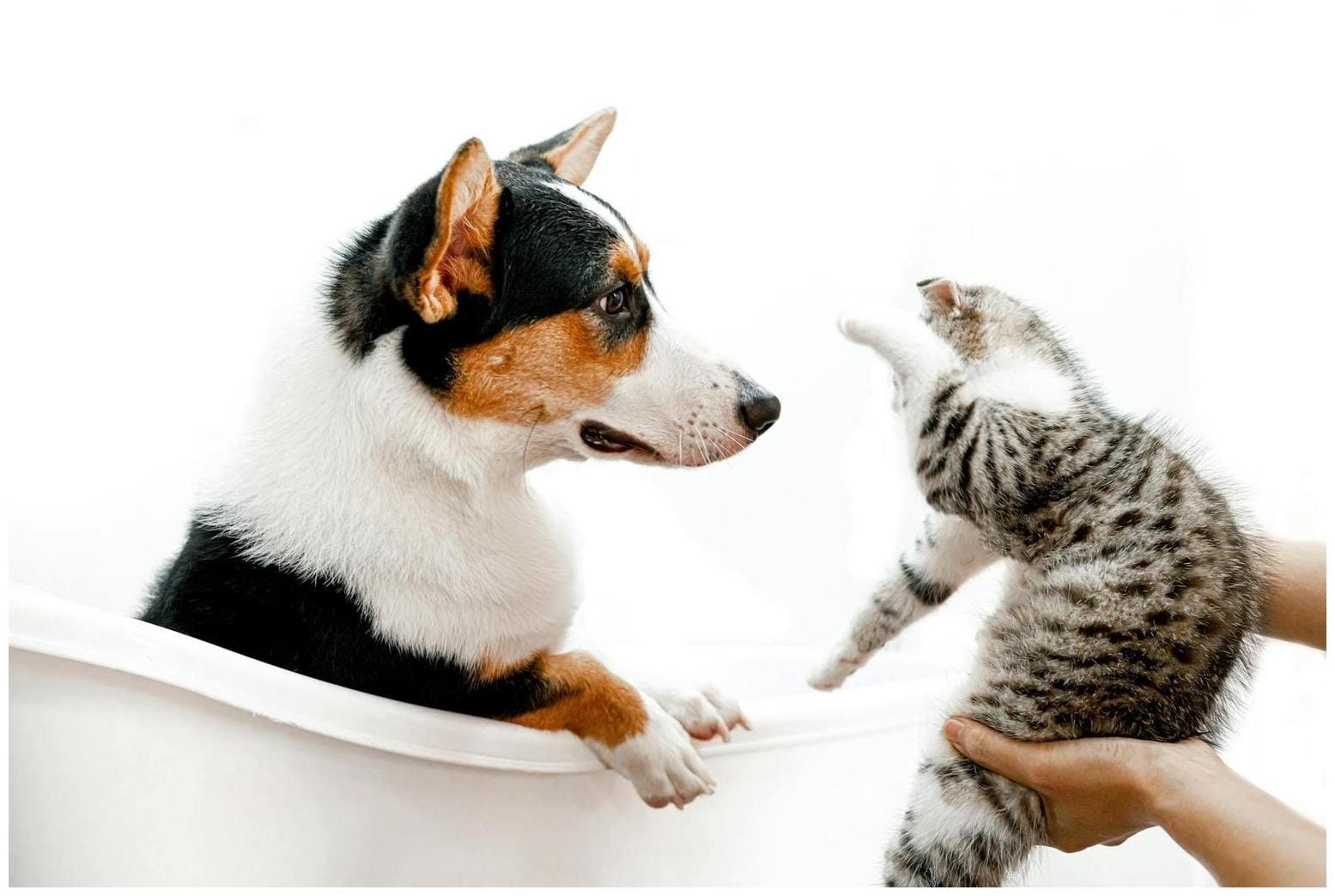
Discover the heartwarming true story of an amazing cat and dog friendship. Learn how to foster a beautiful rescue cat and dog bond in your home. Get tips for introducing your pets successfully today!
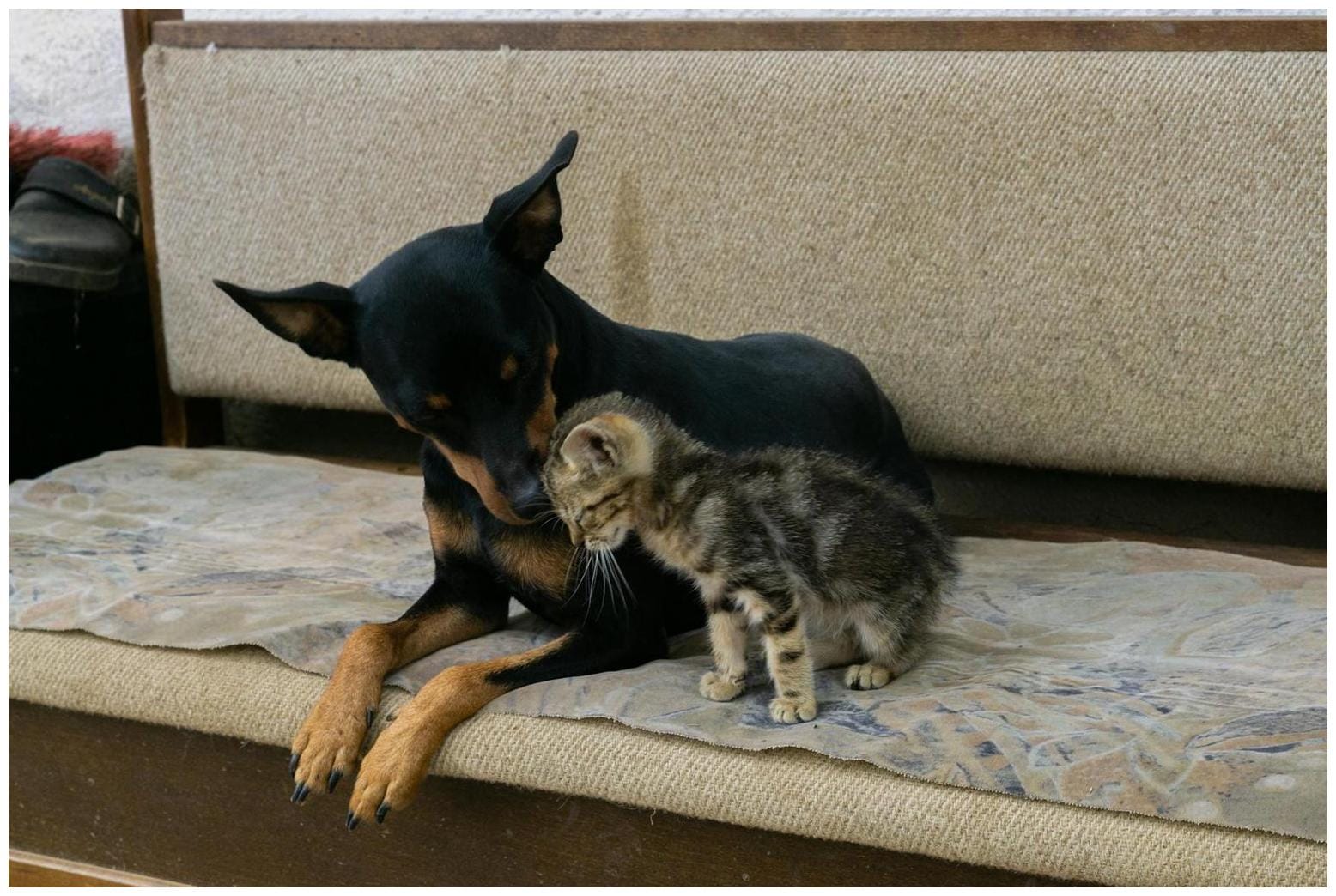
Bringing a new rescue pet into your home is always an exciting time, filled with anticipation and a touch of anxiety. Will they settle in? Will they like their new family? And perhaps the biggest question for many multi-pet households: will they get along with the existing furry residents? This common concern, particularly regarding a new cat meeting an established dog, often weighs heavily on a pet parent’s mind. However, as many heartwarming stories prove, the potential for a beautiful cat and dog friendship is always there, even when fears loom large. Imagine the relief and joy when those initial anxieties melt away, revealing an adorable, unexpected bond between your beloved companions.
You might be wondering if your home can also be a haven for such harmony. Can your cautious kitty and playful pup truly become best friends? The answer, often surprisingly, is a resounding yes! The journey from wary strangers to inseparable pals is a testament to patience, understanding, and the incredible adaptability of our animal companions. We’re here to explore how you can cultivate this unique bond in your own home, drawing inspiration from incredible stories of pets who defied expectations and formed deep, loving connections.
This article will guide you through the process, offering insights and practical advice to help you nurture a truly special relationship between your feline and canine family members. Get ready to discover the secrets to a harmonious multi-pet household and witness the magic of interspecies companionship firsthand!
The Heartwarming Overview of Cat and Dog Friendship
The image of a dog chasing a cat is a classic cartoon trope, deeply ingrained in our minds. It’s no wonder then that many of us automatically assume cats and dogs are natural enemies. This perception often fuels the anxiety of modern cat parents considering bringing a dog into their home, or vice versa. However, the reality is far more nuanced and often incredibly heartwarming. Many homes across the globe are vibrant examples of thriving cat and dog friendship, where felines and canines coexist peacefully, play together, and even share snuggles.
The truth is, while some initial caution is natural, especially when one animal is much larger or more boisterous than the other, genuine affection and companionship can flourish. These bonds often develop when pets are given the right environment, gradual introductions, and plenty of positive reinforcement. It’s about understanding their individual personalities and respecting their boundaries. What might start as tentative curiosity can blossom into an unbreakable bond, enriching the lives of both pets and their human families. You might be amazed at the level of affection and loyalty they can show each other, proving that love truly knows no species.
Unveiling the Rescue Cat Dog Bond: A Tale of Trust and Affection
There’s something particularly special about a rescue cat dog bond. Animals who have experienced hardship often possess an incredible capacity for connection and comfort once they feel safe and loved. When a rescue cat, possibly wary from past experiences, finds solace and friendship in a gentle dog, it’s a truly moving sight. This dynamic showcases how trust can be rebuilt and how an unexpected companion can become a source of profound security.
Overcoming Initial Fears and Misconceptions
Many cat parents approach introducing a rescue cat to a dog with apprehension, picturing worst-case scenarios. Will the dog be too boisterous? Will the cat be too skittish? These fears are valid, but it’s important to remember that animals, like humans, are individuals. Some dogs are naturally gentle and patient, while some cats are surprisingly brave and curious. The key is to manage introductions carefully, giving both animals space and time to adjust at their own pace. You might be surprised to find that initial wariness quickly gives way to curiosity, and then to acceptance.
The Unexpected Joy of Pets Getting Along
Imagine the relief and happiness you’ll feel when you witness your rescue cat and dog sharing a nap, playing gently, or simply existing peacefully in the same room. This unexpected joy is one of the most rewarding aspects of multi-pet ownership. It transforms your home into a sanctuary of interspecies harmony, filling it with heartwarming moments and providing endless entertainment. Seeing them interact positively can alleviate all your previous worries, confirming that a beautiful `cat and dog friendship` was possible all along.
Preparing for an Adorable Pet Bond: Introducing Cat to Dog Successfully
The success of a future cat to dog introduction hinges significantly on the initial introduction process. Rushing things or not providing adequate resources can set back progress and create unnecessary stress for both animals. Your goal is to create a positive, low-stress environment where they can gradually become accustomed to each other’s presence without feeling threatened.
Step-by-Step Guide to a Smooth Introduction
- Scent Swapping: Before they even see each other, allow them to get used to each other’s scent. Swap blankets, toys, or even rub a cloth on one and present it to the other. This familiarizes them with each other’s smell in a non-threatening way.
- Visual but Separate: Use a baby gate or crate to allow them to see each other without direct contact. Offer high-value treats on opposite sides of the barrier to create positive associations with each other’s presence. Keep these sessions short and positive.
- Supervised Encounters: Once they seem comfortable with visual contact, begin short, supervised interactions in a neutral space. Keep the dog on a leash and ensure the cat has an escape route (like a high shelf or another room). Reward calm behavior from both animals.
- Gradual Increase: Slowly increase the duration of supervised interactions as long as they remain calm and positive. Never force interactions and always end on a good note.
- Unsupervised Only When Ready: Only leave them alone together when you are absolutely certain they are comfortable, calm, and respectful of each other. This can take weeks or even months.
Creating a Harmonious Environment for Dog and Cat Living Together
Beyond the initial introduction, maintaining a harmonious home environment is crucial for nurturing an ongoing dog and cat living together. Ensure both pets have their own distinct spaces. Cats need vertical space, like cat trees or shelves, where they can escape and observe from a safe vantage point. Dogs need their own bed or crate where they feel secure. Provide separate food and water bowls, and multiple litter boxes for cats, placed in areas inaccessible to the dog. This reduces competition and ensures each animal feels secure in their territory, fostering a sense of peace that allows a strong bond to develop. Remember, a happy home contributes greatly to pets getting along.
Common Mistakes to Avoid When Fostering Cat and Dog Friendship
While the desire for a beautiful cat and dog friendship is strong, certain missteps can hinder progress or even create negative associations. Being aware of these common mistakes can help you navigate the introduction process more effectively and ensure a smoother transition for everyone involved.
- Rushing the Introduction: Patience is paramount. Trying to force immediate interaction or allowing uncontrolled meetings can lead to fear, stress, and potential aggression. Give your pets the time they need to adjust at their own pace.
- Ignoring Body Language: Both cats and dogs communicate through subtle (and sometimes not-so-subtle) body language. Hissing, flattened ears, a stiff tail, growling, or excessive panting are all signs of discomfort or stress. Ignoring these signals can escalate tension.
- Lack of Supervision: During the early stages, never leave your cat and dog unsupervised. Even if interactions seem positive, a sudden loud noise or unexpected movement could trigger a negative reaction. Constant supervision allows you to intervene immediately if needed.
- Favoritism: While natural to dote on a new pet, ensure you continue to give your existing pet ample attention and affection. Favoritism can breed jealousy and resentment, making a peaceful `cat and dog friendship` more challenging to achieve.
- Punishing Negative Reactions: Scolding or punishing a pet for showing fear or aggression can worsen the situation. It teaches them to associate the other pet with negative consequences, increasing anxiety. Instead, gently redirect and end the interaction positively.
Expert Advice for Cultivating a Surprising Pet Friendship
Building a lasting cat and dog friendship often requires a thoughtful approach, combining understanding of animal behavior with consistent positive reinforcement. Experts agree that a calm, predictable environment and a patient pet parent are key ingredients for success. Remember, every animal is an individual, and what works for one pair might need tweaking for another. The ultimate goal is to create a home where both your cat and dog feel safe, loved, and happy to share their space.
Focus on positive reinforcement. Reward calm interactions, even if they are just moments of peaceful coexistence. Use treats, praise, and gentle petting to reinforce desired behaviors. Ensure both animals have positive associations with each other’s presence. If you notice any signs of stress or fear, separate them calmly and try again later. Sometimes, taking a step back in the introduction process can lead to two steps forward in the long run. Don’t hesitate to seek guidance from a professional animal behaviorist if you encounter significant challenges. Their expertise can provide tailored strategies to help your pets get along and develop a strong bond.
Conclusion: Celebrating the Magic of Cat and Dog Friendship
The journey to fostering a beautiful cat and dog friendship in your home is one of patience, understanding, and immense reward. While initial fears, especially with rescue pets, are completely natural, the countless stories of amazing interspecies bonds remind us that harmony is not just possible, but often truly magical. From tentative introductions to sharing sunbeams and playful antics, the evolution of a cat and dog relationship can bring unparalleled joy and warmth into your life.
You have the power to create an environment where your feline and canine companions can thrive together, forming an unbreakable pet bond that enriches their lives and yours. By applying thoughtful strategies, maintaining a calm approach, and celebrating every small victory, you can witness the incredible power of acceptance and affection between two different species. Embrace the journey, and prepare to be charmed by the surprising pet friendship that blossoms right before your eyes.

- Establish Safe Zones for Your Cat: Always ensure your feline friend has high places or rooms where your dog cannot reach them. This gives your cat a crucial sense of security and control, vital for a relaxed cat and dog friendship to develop.
- Scent Swapping is Key: Before face-to-face meetings, exchange blankets or toys between your cat and dog. This allows them to become familiar with each other’s scent in a non-threatening way, easing the initial introduction phase.
- Positive Reinforcement Only: Reward calm behavior from both pets when they are in each other’s presence, even if they are just ignoring each other. Use treats and praise to create positive associations, strengthening their potential for adorable pet bond.
- Never Force Interactions: Let your cat and dog approach each other on their own terms. Forcing them together can lead to fear and negative associations, making it harder for them to form a bond.
- Supervise Early Encounters Closely: Always supervise initial meetings, keeping your dog on a leash if necessary. Be ready to calmly separate them if either animal shows signs of stress or aggression, preventing any negative incidents.
- Understand Pet Body Language: Learn to read the subtle cues of stress or comfort in both cats and dogs. This will help you know when to proceed, when to slow down, or when to take a break from interactions.
- Feed Separately: Always feed your cat and dog in separate areas to prevent food aggression or competition. This reduces stress and helps them associate their mealtimes with peace rather than rivalry. For more insights on this, read about keeping dog from cat food.
- Provide Ample Resources: Ensure there are enough beds, water bowls, and toys for both animals to prevent squabbles over resources. Multiple litter boxes for the cat in dog-free zones are also essential. Creating a safe space for your cat can also involve learning how to prevent cat scratching furniture.
- Be Patient Above All Else: Developing a strong bond can take weeks or even months. Do not get discouraged by slow progress; consistency and patience are your best tools for a lasting pet friendship.