
February is Spay Neuter Awareness Month! Discover 7 essential benefits of spaying/neutering for your cat’s health & community. Learn more for a healthier pet!
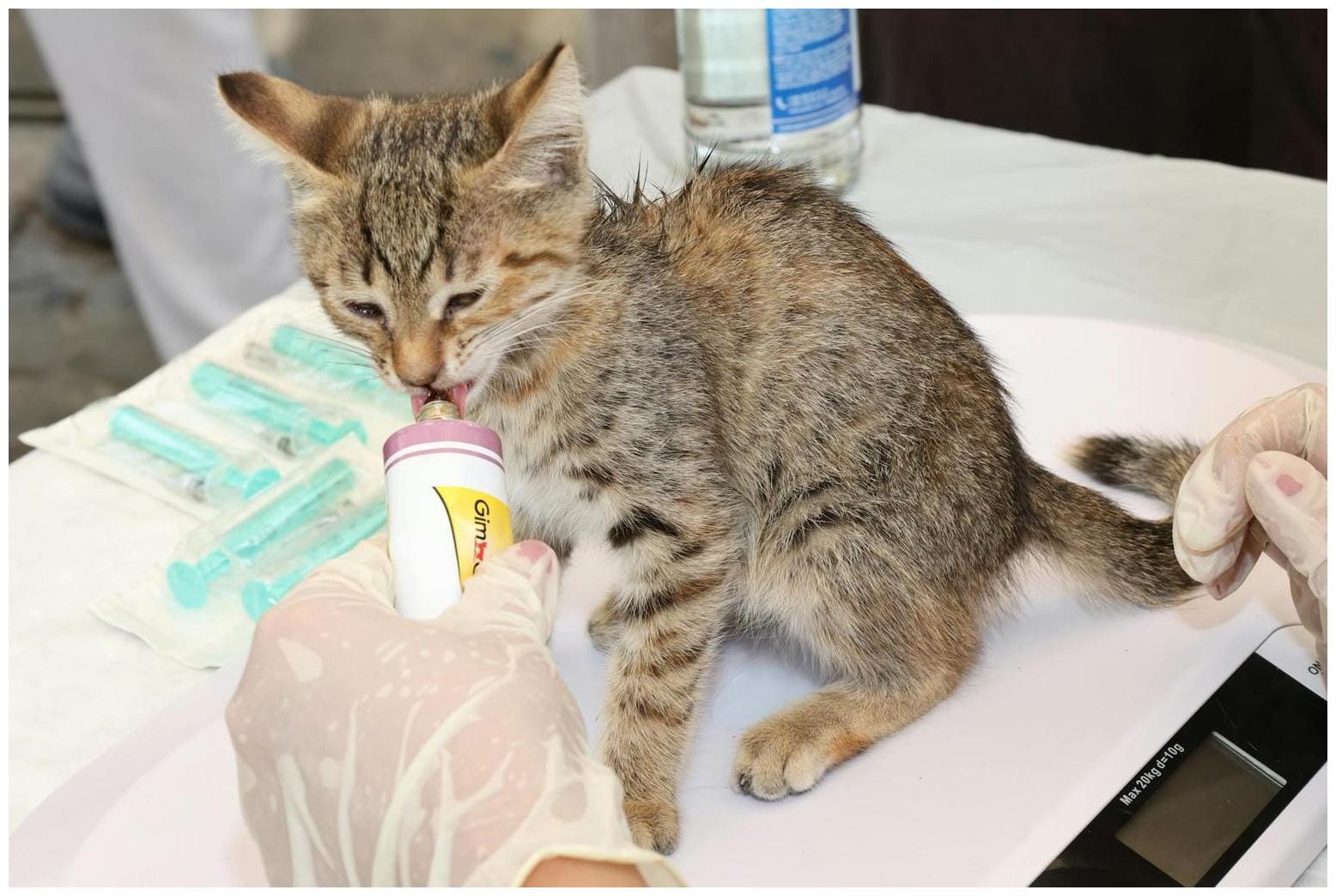
February is a special time for cat parents everywhere, as it marks Spay Neuter Awareness Month. This crucial initiative highlights the profound impact that spaying and neutering can have on the health and happiness of our feline companions, as well as the well-being of the wider community. As a caring modern cat parent, have you ever considered the full scope of benefits that this common procedure offers?
Beyond preventing unwanted litters, spaying or neutering your beloved cat provides a multitude of health advantages and contributes significantly to efforts to reduce stray cat populations. It’s a decision that echoes with compassion and responsibility, ensuring a brighter future for cats both in your home and on the streets. This observance during Spay Neuter Awareness Month underscores its importance.
Join us as we explore why prioritizing this procedure is one of the most loving choices you can make for your cat and delve into the initiatives supporting responsible pet ownership. Let’s make this Spay Neuter Awareness Month count!
The Crucial Role of Spay Neuter Awareness Month in Cat Welfare
February’s designation as Spay Neuter Awareness Month isn’t just a catchy title; it’s a vital call to action for pet owners and animal advocates alike. This month serves as a powerful reminder of the profound impact responsible pet ownership, particularly through spaying and neutering, has on countless feline lives. For modern cat parents like you, understanding why this matters so deeply is the first step towards making informed, compassionate decisions, resonating with the purpose of Spay Neuter Awareness Month.
The core message is simple yet revolutionary: preventing unintended pregnancies through surgical sterilization offers a ripple effect of benefits. It extends beyond individual pets, influencing public health, reducing the strain on animal shelters, and creating more humane communities. Consider the implications of just one unspayed female cat and her offspring; they can produce hundreds of kittens in a few short years, exacerbating the problem of pet overpopulation. This is why initiatives during Spay Neuter Awareness Month are so critical.
This awareness month provides an opportunity to dispel myths, share facts, and encourage action. It emphasizes that spaying and neutering isn’t just about population control; it’s about giving every cat the chance at a healthier, happier, and longer life, free from the stresses and dangers associated with unaltered animals. Your participation, whether by spaying your own cat or advocating for the cause, makes a tangible difference that resonates far beyond Spay Neuter Awareness Month.
Unpacking the Health Advantages: Why Spay Neuter Awareness Month Matters for Your Cat’s Well-being
When we talk about Spay Neuter Awareness Month, the conversation invariably turns to the significant health advantages spay neuter cats that sterilization offers our cherished feline companions. As a caring cat parent, you naturally want the best for your furry friend, and understanding these health benefits is key to ensuring their long-term vitality and happiness. This procedure isn’t just about prevention; it’s about proactive health management, a message amplified during Spay Neuter Awareness Month.
Benefits of Spaying Cats Early: A Lifetime of Health
Spaying your female cat, particularly before her first heat cycle, can dramatically reduce her risk of several serious health issues. Ovarian and uterine cancers are completely eliminated, and the chances of mammary tumors (breast cancer) are significantly lowered. Mammary tumors in cats are often aggressive and malignant, making early spaying a truly life-saving intervention. Additionally, spaying prevents pyometra, a common and potentially fatal uterine infection that requires emergency surgery. Early spaying ensures your cat avoids the stresses and risks associated with heat cycles, which can include escape attempts, attracting unwanted male cats, and behavioral changes, all of which contribute to a calmer, healthier life at home. These are key messages championed during benefits of spaying cats early, reminding us of the profound health benefits of early intervention.
Why Neutering Kittens is Essential: Protecting Your Male Feline
Neutering your male cat also comes with a host of preventative health benefits. This procedure eliminates the risk of testicular cancer entirely and significantly reduces the likelihood of prostate problems later in life. Beyond physical health, neutering can dramatically improve a male cat’s behavior. Unneutered males are far more prone to roaming in search of mates, marking territory with strong-smelling urine, and engaging in aggressive fights with other cats. These fights can lead to severe injuries, abscesses, and the transmission of serious diseases like Feline Immunodeficiency Virus (FIV) and Feline Leukemia Virus (FeLV). Early neutering can curb these undesirable behaviors before they become ingrained habits, fostering a more affectionate and well-adjusted companion within your home. This vital information is often highlighted during why neutering kittens is essential initiatives, emphasizing the importance of responsible male cat care.
Community Impact: Reduce Stray Cat Population Efforts & Local Initiatives
Beyond the individual health benefits for your own cat, Spay Neuter Awareness Month also shines a spotlight on the broader community impact of responsible pet ownership. Every spayed or neutered cat contributes to significant efforts to reduce stray cat populations, a challenge that many communities, including local Wimberley cat health initiatives, grapple with daily. This collective action is vital for creating a healthier environment for all felines, a goal strengthened by Spay Neuter Awareness Month initiatives and year-round advocacy.
Understanding the Crisis: Overpopulation and Its Consequences
The problem of pet overpopulation is stark and heartbreaking. Millions of healthy, adoptable cats and kittens enter shelters nationwide each year, many of whom, tragically, are euthanized due to a lack of available homes. This overwhelming influx is largely due to uncontrolled breeding, both of owned pets and free-roaming community cats. Unspayed females can produce multiple litters annually, and their kittens, if they survive, often contribute to the cycle, creating a seemingly endless challenge for animal welfare organizations. Addressing this crisis starts at the source: preventing unwanted births through widespread spaying and neutering campaigns, which is precisely what Spay Neuter Awareness Month advocates for, urging every pet owner to consider their role in this global challenge.
Community Cat Care TNR Program: A Humane Solution
One of the most effective and humane strategies for managing and reducing community cat populations is the Trap-Neuter-Return (TNR) program. Organizations, often supported during Spay Neuter Awareness Month, humanely trap feral or free-roaming cats, spay or neuter them, vaccinate them against common diseases, and then return them to their original territory once they have recovered. This approach stabilizes colony populations, prevents continuous breeding, reduces fighting among intact males, and significantly improves the overall health and welfare of individual cats. TNR programs are a testament to compassionate community cat care, demonstrating that there are viable, humane alternatives to euthanasia for managing these vulnerable populations effectively, aligning perfectly with the goals of Spay Neuter Awareness Month, which promotes humane population control methods.
Taking Action: Your Role in Supporting Spay Neuter Awareness Month
As a devoted cat parent, your actions during Spay Neuter Awareness Month can significantly contribute to the welfare of both your pet and the wider feline community. You might be wondering, “What steps can I take to make a tangible difference?” The good news is, there are several practical ways you can get involved and ensure this initiative has a lasting impact, especially during Spay Neuter Awareness Month itself, fostering positive change for felines everywhere.
Scheduling the Procedure: What to Expect for Your Feline
The first and most direct step is to ensure your own cat is spayed or neutered, if they haven’t been already. This foundational action is the cornerstone of responsible pet ownership. Consult your veterinarian to discuss the best timing for the procedure, typically when kittens are around five to six months old, though it can be safely done earlier depending on the vet’s recommendation. Your vet will provide comprehensive pre-operative instructions, explain the surgical process in detail, and outline post-operative care, which usually involves keeping your cat comfortable and quiet for a few days during their recovery period. The procedure is routine, and most cats recover quickly, enjoying a healthier, happier, and longer life as a result of your proactive decision to support the goals of Spay Neuter Awareness Month for all felines.
Supporting Local Wimberley Cat Health Initiatives
Beyond your own pet, consider extending your support to local organizations during Spay Neuter Awareness Month that champion these crucial causes, such as the Wimberley Valley Humane Society or other regional animal welfare groups. These organizations often run low-cost spay/neuter clinics, implement essential TNR programs for community cats, and conduct educational outreach to inform the public. You can contribute in various meaningful ways: by volunteering your time, making financial donations, or simply by spreading awareness about their invaluable work. Your support helps ensure that all cats, regardless of their living situation, have access to vital care and that the cycle of overpopulation can be broken, one spay/neuter at a time, building a stronger, healthier community for all, truly embodying the spirit of Spay Neuter Awareness Month.
Navigating Pitfalls: Common Misconceptions During Spay Neuter Awareness Month
While the profound benefits of spaying and neutering are widely recognized, several common misconceptions can inadvertently prevent caring cat parents from taking this vital action, even during dedicated periods like Spay Neuter Awareness Month. Understanding and actively dispelling these myths is crucial for ensuring the immediate and long-term health and happiness of your beloved pet and significantly contributing to the reduction of the overall stray cat population, a key focus of Spay Neuter Awareness Month.
Delaying Due to Age or Misguided Beliefs
One prevalent mistake is the deferral of the spay/neuter procedure, often stemming from concerns about a cat being “too young” or the misguided belief that female cats should experience at least one litter before being spayed. Veterinarians widely recommend early spay/neuter, typically around 5-6 months of age, and often even earlier for shelter kittens, as scientific evidence supports its safety and efficacy. There’s no medical benefit whatsoever to allowing a female cat to have a litter; in fact, it significantly increases her health risks and contributes directly to the pet overpopulation crisis. Delaying also dramatically increases the chance of accidental pregnancies, thus exacerbating the very problem spay/neuter aims to solve. Early intervention remains the cornerstone for both optimal feline health and effective population control, a message reinforced during Spay Neuter Awareness Month to combat common misunderstandings.
Underestimating the Initial Cost vs. Long-Term Savings
Another significant pitfall is viewing the initial cost of spay/neuter as an insurmountable financial barrier. While there is an upfront expense for the surgical procedure, it pales in comparison to the potential long-term costs that can arise from not sterilizing your pet. These unforeseen expenses can include extensive veterinary care for complicated pregnancies and deliveries, treating life-threatening uterine infections (pyometra), managing injuries sustained from aggressive fights (especially in intact males), or dealing with costly and destructive behavioral issues like persistent urine marking. Fortunately, many animal welfare organizations and clinics offer accessible affordable spay/neuter services specifically designed to make the procedure affordable for all pet owners. Therefore, investing in spay/neuter is not merely an expense; it is a wise, proactive investment in your cat’s long-term health, behavioral stability, and ultimately, your financial peace of mind, a fact often highlighted during Spay Neuter Awareness Month.
Maximizing Impact: Expert Advice for Spay Neuter Awareness Month and Beyond
As we observe Spay Neuter Awareness Month, it’s an opportune time to reflect on expert advice and best practices that extend the profound benefits of sterilization far beyond just February. For caring modern cat parents, integrating these insights into your regular pet care routine ensures not only a healthier individual cat but also contributes significantly to a more robust, compassionate, and well-managed feline community. Embracing these strategies can truly make a lasting difference.
Consult Your Veterinarian for Personalized Guidance and Care
The most important piece of expert advice for any cat parent considering spay/neuter is always to consult thoroughly with your trusted veterinarian. Every cat is unique, with individual health histories, temperaments, and needs, and while general guidelines exist for spay/neuter timing and care, your vet can provide personalized guidance specifically tailored to your cat’s age, breed, health status, and lifestyle. They can address any specific concerns you have about the procedure, meticulously explain pre-operative requirements, detail the surgical process, and offer comprehensive post-operative care instructions to ensure a smooth, safe, and speedy recovery. Establishing this open and informed dialogue with your veterinarian is a cornerstone of responsible and preventative pet ownership, aligning with the spirit of Spay Neuter Awareness Month.
Advocacy and Education: Spreading the Word for Feline Welfare
Beyond ensuring your own pet is sterilized, becoming an active advocate for spay/neuter is a powerful and impactful way to maximize its positive influence on the wider feline population. Share accurate and compelling information about Spay Neuter Awareness Month with your friends, family, and across your social media platforms to reach a broader audience. Take the initiative to educate others about the profound health benefits, the significant behavioral improvements, and the absolutely crucial role spay/neuter plays in effectively reducing the overwhelming problem of pet overpopulation. Actively support local animal shelters, rescue groups, and humane societies that offer affordable spay/neuter services or run vital TNR programs. Your informed voice and proactive actions contribute significantly to a larger movement, fostering a community where every cat has the chance for a loving home, a healthy life, and freedom from preventable suffering, extending the impact of Spay Neuter Awareness Month year-round.
A Brighter Future: The Lasting Legacy of Spay Neuter Awareness Month
As Spay Neuter Awareness Month draws to a close, the commitment to responsible pet ownership should not. The benefits of spaying and neutering extend far beyond the single month of February, creating a lasting legacy of healthier pets and more humane communities. For caring modern cat parents, making the choice to sterilize your feline friend is one of the most impactful decisions you can make.
From safeguarding your cat’s health against serious diseases to curbing undesirable behaviors and playing a crucial role in reducing the overwhelming problem of pet overpopulation, the advantages are undeniable. By taking action, supporting local initiatives, and educating others, you become a vital part of the solution, ensuring fewer cats suffer from homelessness and illness, a core objective of Spay Neuter Awareness Month.
Let’s carry the spirit of Spay Neuter Awareness Month forward, advocating for the well-being of all cats throughout the year. Together, we can build a future where every cat thrives, enjoying the love, care, and healthy life they truly deserve. Your thoughtful choices today pave the way for a better tomorrow for our beloved feline companions.

- Early Spay/Neuter Maximizes Health: Don’t wait! Spaying your female cat before her first heat cycle offers the greatest protection against mammary cancer and uterine infections. For males, neutering early can prevent territory marking and reduce aggressive tendencies, leading to a calmer household.
- Post-Op Comfort is Key: After the procedure, provide a quiet, comfortable recovery space for your cat. Limit strenuous activity and monitor the incision site daily for any signs of swelling or discharge. Gentle care ensures a speedy and complication-free healing process.
- Consider Microchipping During Procedure: While your cat is under anesthesia for spay/neuter, it’s an ideal time to have them microchipped. This simple, permanent identification greatly increases the chances of reunion if your cat ever gets lost. It’s a small step for huge peace of mind.
- Recognize Behavioral Shifts: Post-spay/neuter, expect positive behavioral changes like reduced roaming, spraying, and aggression. If undesirable behaviors persist, consult your vet; it may indicate an underlying issue rather than a hormonal drive. This understanding is vital for a happy cat.
- Support Local Clinics for Spay Neuter Awareness Month Deals: Many local animal welfare organizations and veterinary clinics offer discounted spay/neuter services during Spay Neuter Awareness Month. Research these opportunities in your area to make the procedure more affordable. It’s a great way to save money while helping your pet.
- Educate Others Respectfully: Share the benefits of spay/neuter with fellow pet parents, but do so kindly and informatively. Focus on the health and welfare advantages rather than judgment. Your positive advocacy can inspire others to make responsible choices for their pets.
- Dietary Adjustments Post-Procedure: Spayed or neutered cats often have a lower metabolism, making them prone to weight gain. Discuss dietary adjustments with your vet to prevent obesity, which can lead to other health issues. A balanced diet is crucial for their long-term health, a point often emphasized during Spay Neuter Awareness Month discussions on post-operative care.
- Monitor for Incision Licking: Prevent your cat from licking or chewing their incision site. An Elizabethan collar (cone) or a recovery suit can be effective tools to protect the wound from infection and allow proper healing. Consistency is important during this sensitive period.
- Understand TNR for Community Cats: If you encounter feral cats, learn about local Trap-Neuter-Return (TNR) programs. These humane initiatives stabilize colonies and prevent further breeding. Supporting TNR is a compassionate way to manage outdoor cat populations during community cat care TNR program and all year.
- Advocate for Responsible Breeding: Encourage responsible breeding practices if you know someone considering it. This means health screenings, genetic testing, and ensuring every kitten has a loving home, avoiding contribution to the overpopulation crisis. Responsible breeding complements spay/neuter efforts.

What is Spay Neuter Awareness Month and why is it important for my cat?
Spay Neuter Awareness Month, observed every February, is a dedicated time to educate pet owners about the crucial benefits of sterilizing their cats. It’s important because it highlights how spaying or neutering significantly improves individual feline health by preventing certain cancers and infections, while also playing a vital role in reducing pet overpopulation. By raising awareness, it encourages responsible pet ownership that leads to happier, healthier cats and more humane communities.
How old should my cat be to get spayed or neutered?
Most veterinarians recommend spaying or neutering kittens around five to six months of age. However, the procedure can often be performed safely as early as eight weeks, especially in shelter environments. Early sterilization offers maximum health benefits, such as reducing the risk of mammary tumors and preventing unwanted litters. Always consult your veterinarian to determine the best timing for your specific cat, considering their health, breed, and developmental stage, to ensure the safest and most effective outcome, a message often highlighted during Spay Neuter Awareness Month.
Are there any behavioral benefits to spaying or neutering my cat?
Absolutely! Spaying and neutering can lead to several positive behavioral changes. Unneutered male cats are less likely to roam, spray urine to mark territory, or engage in aggressive fights with other males. Spayed female cats will no longer experience heat cycles, which often involve persistent vocalization, restlessness, and attempts to escape. These procedures contribute to a calmer, more predictable, and affectionate companion, making your home environment more harmonious for everyone involved, a benefit promoted during Spay Neuter Awareness Month.
Does spaying or neutering my cat lead to weight gain?
It’s a common concern, and while spaying or neutering can lead to a decrease in metabolism and activity levels, making cats more prone to weight gain, it’s not inevitable. The key is proactive management. By adjusting your cat’s diet to a high-quality, calorie-controlled formula and ensuring they receive regular exercise through play, you can easily maintain a healthy weight. Consult your veterinarian for personalized dietary recommendations and exercise routines tailored to your cat’s specific needs post-procedure, a topic often discussed during Spay Neuter Awareness Month.
What is a TNR program and how does it relate to Spay Neuter Awareness Month?
A Trap-Neuter-Return (TNR) program is a humane strategy to manage and reduce free-roaming community cat populations. Cats are humanely trapped, spayed or neutered, vaccinated, and then returned to their original territory. This initiative is closely tied to Spay Neuter Awareness Month as it directly addresses pet overpopulation on a community level. TNR stabilizes colonies, improves the health of individual cats by preventing continuous breeding, and reduces behaviors like fighting and roaming, leading to healthier, more peaceful communities for both humans and felines.
How can I afford spaying or neutering if costs are a concern?
Many organizations understand that cost can be a barrier. During Spay Neuter Awareness Month and throughout the year, numerous animal welfare groups, humane societies, and local shelters offer low-cost or subsidized spay/neuter programs. You can also inquire with your veterinarian about payment plans or local financial assistance programs. Don’t let cost deter you from this vital procedure; there are resources available to help you ensure your cat receives the necessary care for a healthier future.
Is it true that male cats don’t benefit as much from neutering as females do from spaying?
This is a common misconception. Male cats benefit significantly from neutering. It completely eliminates the risk of testicular cancer and greatly reduces the risk of prostate diseases. Behaviorally, neutering drastically curtails undesirable traits like spraying, roaming, and aggression towards other males, which often leads to fights and injury. Neutered males are generally calmer, more affectionate, and less likely to contribute to the stray cat population. The health and behavioral advantages for male cats are just as profound as for females, a truth that Spay Neuter Awareness Month aims to make widely known.
What are the immediate recovery steps after my cat’s spay/neuter surgery?
After your cat’s surgery, your vet will provide specific instructions, but generally, immediate recovery involves keeping them in a quiet, warm, and confined space away from other pets and children. Monitor the incision site daily for redness, swelling, or discharge. Prevent your cat from licking the incision, using an Elizabethan collar if necessary. Offer small, easily digestible meals and ensure they have fresh water. Most cats recover well within 7-10 days, but contact your vet immediately if you notice any concerning symptoms, a crucial aspect of responsible pet ownership promoted during Spay Neuter Awareness Month.