
Facing kitten eye removal surgery? Discover incredible survival stories and 5 essential care steps for recovery, ensuring your feline friend thrives after the procedure.
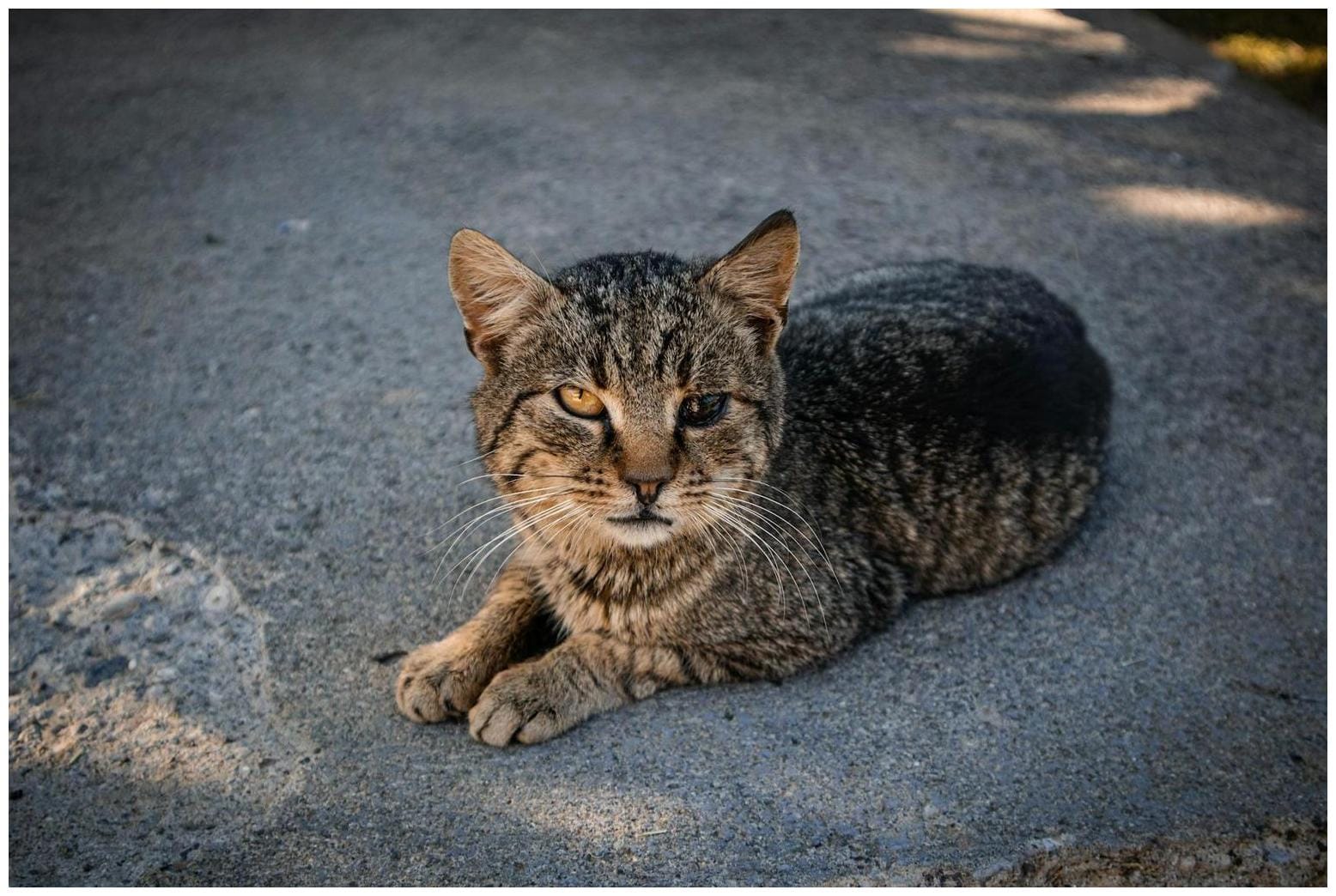
Imagine the heartbreak of discovering your tiny kitten is suffering from a severe eye condition, so critical that it might require an eye removal. This difficult decision, known as kitten eye removal surgery, is a challenging moment for any loving cat parent. Yet, stories of resilience, like that of a brave kitten under the care of a Welsh branch of a Cats charity, remind us that even after such a significant procedure, our feline friends can lead full, happy lives. Understanding the process and how to provide optimal care is paramount for their successful recovery.
As caring modern cat parents, you want only the best for your furry companions. When faced with the prospect of your kitten needing an eye removed, it’s natural to feel overwhelmed, anxious, and perhaps even guilty. However, this article aims to equip you with the knowledge and confidence to support your kitten through this journey, from preparation to a thriving recovery.
We’ll delve into why such surgeries are necessary, what to expect, and most importantly, how to ensure your kitten receives the best possible post-operative care. By the end, you’ll feel empowered to navigate the complexities of kitten eye removal surgery with compassion and expertise, ensuring your little one’s continued happiness.
Understanding Kitten Eye Removal Surgery: Why It Matters
When a kitten’s eye is severely damaged due to trauma, infection, or an untreatable disease, an enucleation – commonly known as kitten eye removal surgery – often becomes the only viable option to alleviate pain and prevent further complications. This decision is never taken lightly and is always made in the best interest of the kitten’s long-term health and well-being. It’s about providing a future free from chronic discomfort and potential life-threatening infections.
Common Reasons for Ocular Issues in Kittens
Kittens, especially those rescued from difficult circumstances, are particularly susceptible to a range of eye problems. These can include severe conjunctivitis, corneal ulcers, glaucoma, or even irreversible damage from injuries or congenital abnormalities. Often, these conditions are aggressive and can rapidly lead to vision loss and intense pain. Early diagnosis and intervention are crucial, but sometimes, despite best efforts, removal is the safest path forward. For instance, severe cases of Feline Herpesvirus (FHV-1) can cause profound ocular damage that may necessitate enucleation, particularly if the eye is ruptured or non-functional.
It’s important to remember that keeping a painful, non-functional eye can significantly diminish a kitten’s quality of life. The constant discomfort can affect their appetite, playfulness, and overall development. Vets will explore all possible treatments, but when suffering becomes inevitable, a kitten eye removal surgery is a compassionate choice to ensure the animal can live a pain-free existence. Your veterinarian will guide you through all possible scenarios, explaining the pros and cons of each treatment option before suggesting surgery.
The Decision-Making Process for Eye Removal
Deciding on eye removal surgery for your kitten is a profound moment, often accompanied by strong emotions. Your veterinary team will conduct thorough examinations, including detailed ophthalmic assessments and potentially imaging, to determine the extent of the damage. They will discuss the prognosis with and without surgery, outlining the potential risks and benefits. Factors considered include the level of pain your kitten is experiencing, the likelihood of preserving vision, the potential for complications with alternative treatments, and your kitten’s overall health status. This collaborative approach ensures you are fully informed and comfortable with the decision for kitten eye removal surgery, knowing it’s the best course of action for their future comfort.
For many rescued kittens, like the one cared for by the Welsh cat charity, the decision is often made to save a life that would otherwise be fraught with chronic pain and infection. These charities play a vital role in providing critical veterinary care that many abandoned animals desperately need. Understanding that this surgery is often a pathway to a better life can help alleviate some of the emotional burden.
The Miraculous Journey: Kitten Eye Removal Surgery and Survival Stories
The story of a tiny kitten in Wales, who recently underwent successful eye removal surgery, serves as a powerful testament to the resilience of felines and the dedication of animal welfare organizations. This brave kitten’s journey from a precarious start to a hopeful recovery highlights the importance of expert veterinary care and compassionate support. Such tales often inspire other cat parents facing similar circumstances, offering a beacon of hope and practical insights into what to expect when a cat needs eye surgery.
These stories underscore that while the procedure is significant, it is often life-saving and life-enhancing. Many cats adapt incredibly well to monocular vision, demonstrating an astonishing capacity for adjustment. Their other senses, particularly hearing and touch, often become more acute, helping them navigate their world with remarkable ease. It’s a reminder that their spirit remains undimmed, even with physical changes.
A Glimmer of Hope: The Welsh Cat Charity’s Role
The Welsh branch of the Cats charity provided invaluable care and expertise for the kitten needing kitten eye removal surgery. Their dedicated team of veterinarians, nurses, and volunteers ensured the kitten received not only the surgical intervention it needed but also the tender, continuous post-operative care crucial for its recovery. This holistic approach, encompassing medical treatment, pain management, and emotional comfort, significantly contributed to the kitten’s survival and positive outcome. It’s a shining example of how animal rescue organizations make a tangible difference in the lives of vulnerable animals, offering them a second chance at happiness.
Without such charitable organizations, many kittens with severe conditions requiring complex procedures like cat eye surgery would unfortunately not survive or would endure immense suffering. Their work provides a safety net for animals that might otherwise fall through the cracks, giving them the opportunity to recover and eventually find loving forever homes. Supporting these charities helps ensure that more success stories, like that of the brave Welsh kitten, can come to fruition.
Post-Operative Care: Key to Successful Kitten Eye Removal Surgery Recovery
Successful recovery from kitten eye removal surgery hinges significantly on diligent post-operative care. This phase requires patience, attentiveness, and strict adherence to veterinary instructions. It involves managing pain, preventing infection, and ensuring your kitten feels safe and loved during their healing process. Proper wound care, medication administration, and monitoring for any signs of complications are all critical components. This dedicated care is what transforms a successful surgery into a successful survival story, allowing your kitten to adapt and thrive in their new normal.
Think of this period as a crucial partnership between you and your vet. You are the frontline caregiver, responsible for implementing the care plan at home, observing your kitten closely, and reporting any concerns. Your vigilance during this time directly impacts the long-term success of the surgery and your kitten’s overall well-being. It’s a time of bonding and reassurance, helping your kitten rebuild trust and confidence.
Preparing for Your Kitten’s Eye Removal Surgery
Once the decision for kitten eye removal surgery has been made, preparation is key to ensuring a smooth process. This involves both medical and environmental considerations to minimize stress and set the stage for optimal recovery. Being well-prepared will not only benefit your kitten but also help ease your own anxieties, allowing you to focus on providing the best possible care during this challenging time.
Pre-Surgery Consultations and Diagnostics
Before the surgery, your veterinarian will conduct a comprehensive pre-surgical consultation. This will include blood tests to assess your kitten’s organ function and ensure they are healthy enough for anesthesia. They will also discuss the surgical procedure in detail, potential risks, and the expected recovery timeline. This is your opportunity to ask any questions you have about the kitten survival surgery and clarify any concerns. Understanding every aspect of the procedure will help you feel more prepared and less anxious on the day of surgery.
It’s vital to be open and honest about your kitten’s medical history, current medications, and any recent changes in their behavior or appetite. This information helps the veterinary team tailor the anesthetic protocol and surgical plan specifically for your kitten, maximizing safety and ensuring the best possible outcome. Don’t hesitate to write down your questions beforehand to ensure you cover everything during this important discussion.
Setting Up a Safe Recovery Space at Home
Creating a quiet, comfortable, and safe recovery area at home is paramount for your kitten post-kitten eye removal surgery. This space should be easily accessible but away from the hustle and bustle of daily household activity. A small room, a large crate, or a playpen can work perfectly. Equip it with a soft bed, fresh water, food bowls, and a litter box that has low sides to prevent straining. Ensure the area is free from obstacles or sharp edges that could cause injury.
Dim lighting can also be beneficial as your kitten adjusts to changes in their vision. For kittens with one eye remaining, their depth perception might be temporarily affected. Removing elevated climbing opportunities or blocking access to stairs can prevent falls. Think of it as a calm, secure sanctuary where your kitten can rest and heal without unnecessary stress or potential hazards. This dedicated space will be invaluable for their psychological and physical recovery from their animal rescue surgery.
Step-by-Step Guide to Post-Kitten Eye Removal Surgery Care
Your active role in your kitten’s post-operative care is crucial for a successful and comfortable recovery after kitten eye removal surgery. Following your vet’s instructions precisely is non-negotiable. This step-by-step guide covers the essential aspects of care you’ll need to provide, ensuring your little one heals effectively and adapts beautifully to their new normal.
Managing Pain and Medication
Pain management is a top priority after any surgery, and cat eye surgery is no exception. Your veterinarian will prescribe pain medication, typically in liquid or pill form, to keep your kitten comfortable. Administer these medications exactly as directed, even if your kitten appears to be feeling better. Consistency is key to preventing pain from flaring up. You might also be given antibiotics to prevent infection. Never alter dosages or discontinue medication without consulting your vet first.
Observe your kitten closely for signs of pain, such as hiding, loss of appetite, lethargy, excessive purring (which can be a sign of discomfort), or reluctance to be touched. If you notice any of these signs, or if you believe the prescribed pain medication isn’t sufficient, contact your vet immediately. Effective pain control is fundamental to a smooth recovery and encourages your kitten to rest and heal.
Wound Care and Infection Prevention
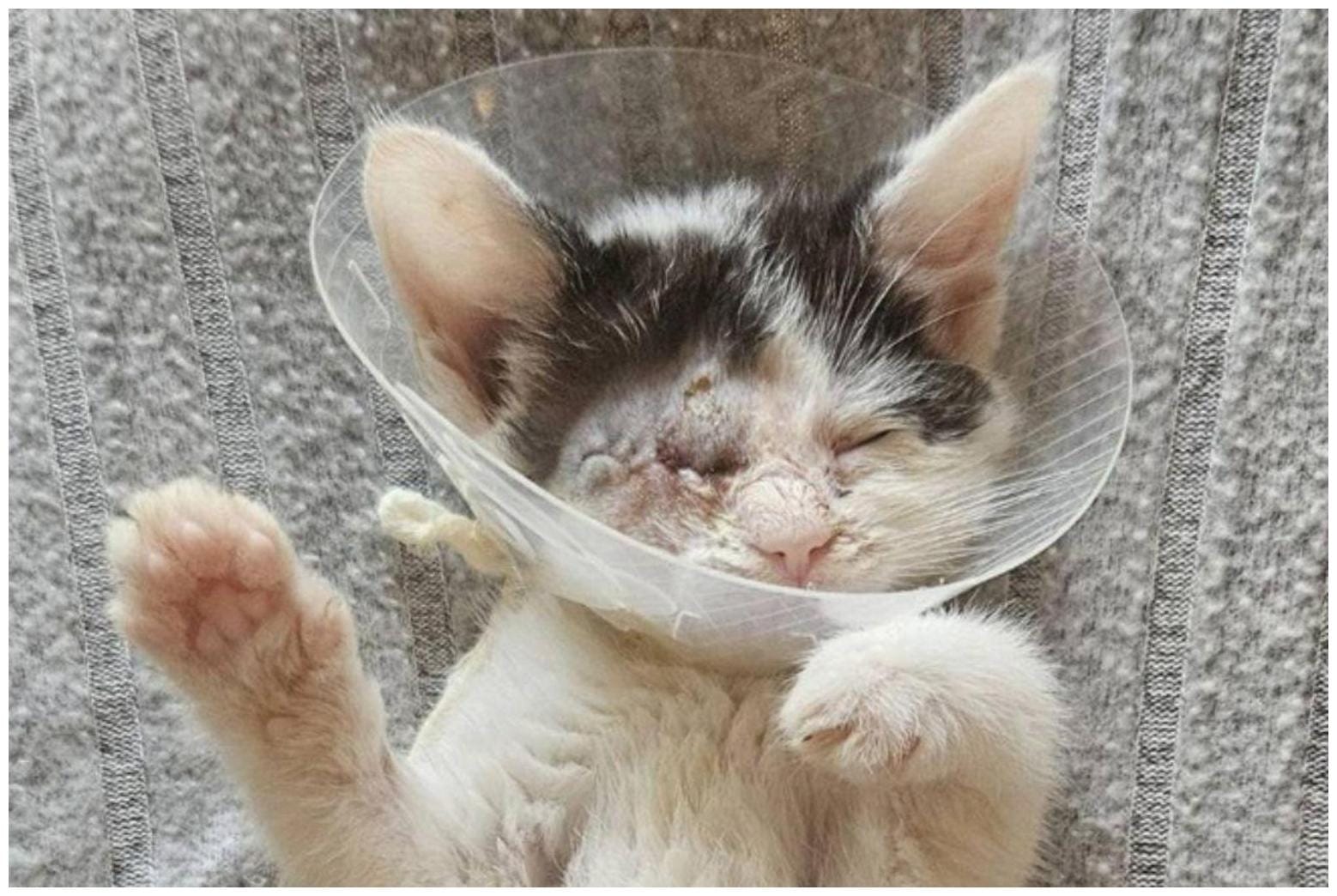
The surgical site needs meticulous care to prevent infection and promote healing. Your vet will likely provide an Elizabethan collar (E-collar) to prevent your kitten from scratching, rubbing, or licking the incision, which is vital. The incision site itself usually does not require much at-home cleaning, but always follow your vet’s specific instructions. If instructed to clean, use only the prescribed solutions and sterile materials, gently dabbing the area. Never rub or pull at the sutures.
Regularly inspect the surgical site for any signs of infection, such as redness, swelling, discharge (especially pus), or a foul odor. A small amount of clear discharge might be normal, but anything excessive or discolored warrants immediate veterinary attention. Keeping the recovery area clean and dry will also help reduce the risk of infection. This vigilant wound care is a critical part of successful kitten eye removal surgery recovery.
Nutritional Support and Hydration
Adequate nutrition and hydration are essential for healing. Offer your kitten easily digestible, palatable food. Wet food or softened kibble can be more appealing and easier to eat, especially if they are feeling nauseous from anesthesia or pain medication. Ensure fresh water is always available. If your kitten is reluctant to eat or drink, try offering smaller, more frequent meals, or even highly enticing treats approved by your vet. Hydration is particularly important for metabolic function and overall recovery.
Loss of appetite can be a concern post-surgery. If your kitten refuses to eat for more than 24 hours, or if they show signs of dehydration (e.g., lethargy, sunken eyes, dry gums), contact your veterinarian without delay. They may suggest appetite stimulants or even syringe feeding temporarily to ensure your kitten receives the necessary nutrients to recover from their experience and surgery.
Emotional Comfort and Rehabilitation
Physical recovery is only half the battle; emotional well-being is equally vital. Provide plenty of gentle affection and reassurance. Spend quiet time with your kitten, petting them softly and speaking in soothing tones. Help them re-learn how to navigate their environment. Initially, they might bump into things, but they will quickly adapt their spatial awareness. Toys that crinkle or have bells can help them locate objects without relying on sight alone.
Gradually reintroduce them to familiar surroundings and routines, always supervising them. Limit interactions with other pets or young children initially to prevent accidental injury or undue stress. Creating a calm, predictable environment will significantly aid their emotional recovery and help them adjust to their new vision. Your unwavering presence and loving support will make all the difference in their journey after kitten eye removal surgery.
Common Mistakes to Avoid During Kitten Eye Removal Surgery Recovery
Even the most dedicated cat parents can inadvertently make mistakes during a kitten’s recovery from kitten eye removal surgery. Being aware of these common pitfalls can help you avoid them and ensure a smoother healing process for your furry friend. A proactive approach to care minimizes setbacks and promotes quicker adaptation.
Overlooking Subtle Signs of Complications
One of the most critical mistakes is underestimating the importance of vigilant observation. Kittens are masters at hiding pain or discomfort, so subtle changes in behavior might be the only indication of a problem. Don’t dismiss decreased appetite, unusual lethargy, excessive hiding, or a change in litter box habits. Similarly, keep a close eye on the surgical site for any unexpected swelling, persistent discharge, or foul odor beyond what your vet described as normal. If in doubt, always err on the side of caution and contact your veterinarian. Early detection of complications, whether an infection or an adverse reaction to medication, can prevent more serious issues.
Neglecting Emotional Well-being
While physical healing is paramount, neglecting your kitten’s emotional state can prolong recovery. A kitten undergoing kitten eye removal surgery can feel vulnerable, confused, or anxious. Isolating them completely or failing to provide comfort and reassurance can lead to increased stress, which can negatively impact their immune system and healing process. Avoid loud noises, sudden movements, or overwhelming interactions during their initial recovery period. Instead, offer gentle petting, soft words, and consistent routines to help them feel secure and loved. A calm and reassuring presence is just as important as medication for their overall well-being and adaptation.
Expert Advice and Best Practices for Feline Ocular Health
Beyond the immediate recovery from kitten eye removal surgery, understanding broader feline ocular health and adopting best practices can help prevent future issues and support your cat’s long-term well-being. Proactive care is always better than reactive treatment, especially when it comes to delicate sensory organs.
Proactive Eye Health for Kittens
Regular veterinary check-ups are fundamental for monitoring your kitten’s overall health, including their eyes. Your vet can spot early signs of infection or disease before they become severe. Ensure your kitten is up-to-date on all vaccinations, as some infectious diseases, like feline herpesvirus, can cause significant eye damage. Maintain a clean living environment and a balanced diet to support a strong immune system. If you notice any redness, discharge, squinting, or cloudiness in your kitten’s eyes, seek veterinary attention promptly. Early intervention can often prevent the need for drastic measures like cat eye surgery.
Teaching your kitten to be comfortable with gentle handling around their face and eyes from a young age can also make future examinations or medication administration much easier. Positive reinforcement during these interactions helps build trust and cooperation, turning potentially stressful situations into manageable ones. This proactive approach to eye health is a cornerstone of responsible cat ownership.
Long-Term Care for Cats with Vision Impairment
For cats living with monocular vision after kitten eye removal surgery, long-term care focuses on ensuring a high quality of life. While their other senses will compensate remarkably, you can further assist them. Maintain a consistent home environment by avoiding frequent rearrangement of furniture, as this helps them navigate. Provide sensory stimulation with toys that have different textures, sounds, and smells. Regular interaction and play are still vital for their mental and physical health.
Continue with routine veterinary check-ups to monitor the remaining eye for any potential issues. Protect them from environments where their compromised vision might put them at risk, such as busy roads or areas with predators, if they are outdoor cats. Most importantly, shower them with love and patience. Cats adapt incredibly well, and with your support, a one-eyed cat can lead a perfectly happy, fulfilling life, proving that animal rescue surgery can truly give them a new beginning.
Conclusion: Thriving After Kitten Eye Removal Surgery
The journey through kitten eye removal surgery and recovery can be emotionally and physically demanding for both you and your feline companion. However, as inspiring stories like that of the Welsh kitten demonstrate, it is often a necessary and ultimately life-enhancing procedure. With diligent preparation, meticulous post-operative care, and unwavering love, your kitten can not only survive but truly thrive and adapt beautifully to their new circumstances.
Remember, you are not alone in this process. Your veterinary team is your strongest ally, providing expert guidance and support every step of the way. By being informed, attentive, and patient, you empower your kitten to embrace a future free from pain, filled with joy and boundless purrs. The resilience of these tiny creatures, coupled with your dedicated care, ensures that even after such a significant challenge, a happy and fulfilling life awaits them. Your commitment makes all the difference in their journey towards complete recovery and a vibrant future.
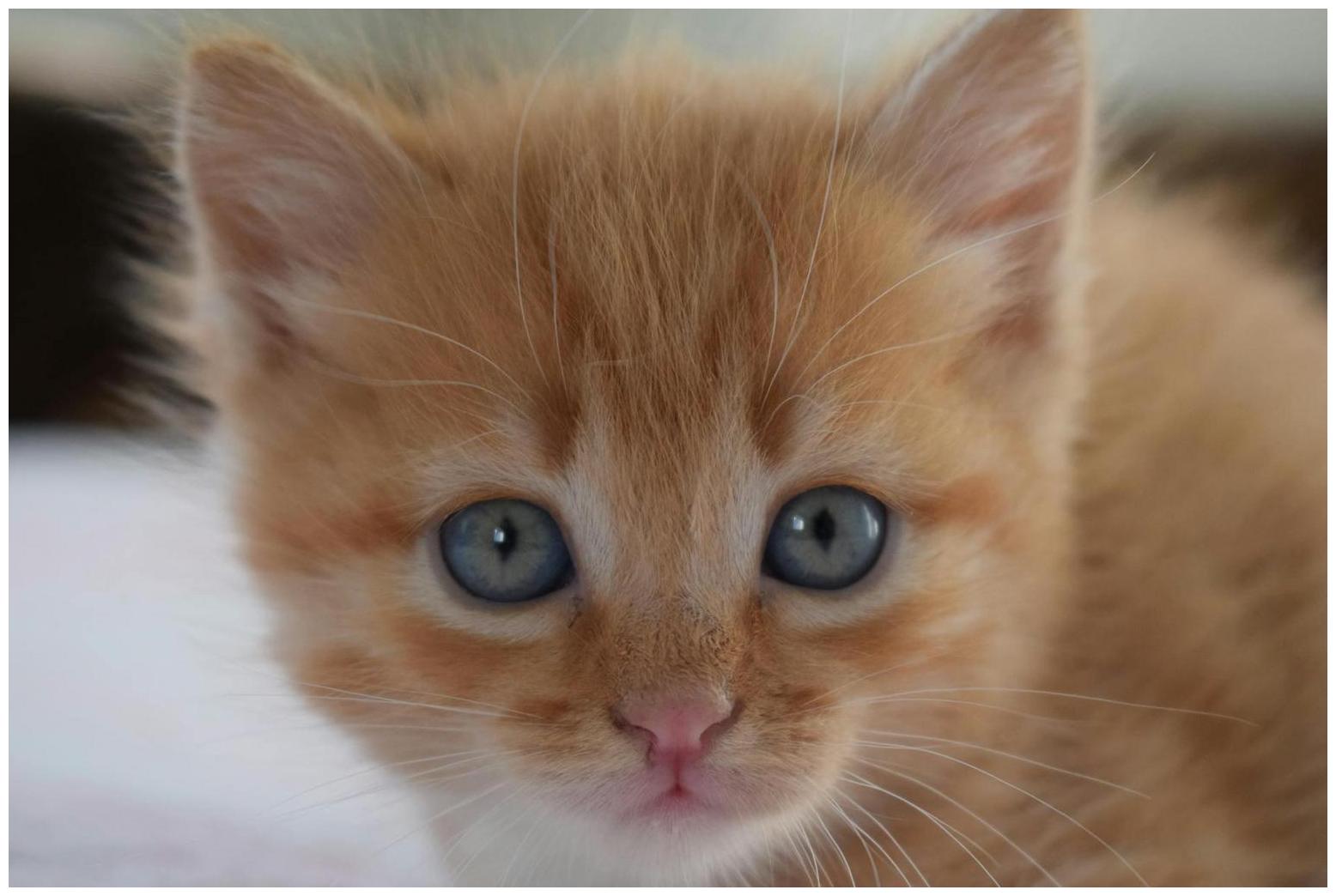
- Create a Snug & Safe Recovery Den: Designate a small, quiet, and easily navigable space for your kitten, free from stairs or high climbing spots. This limits their movement and prevents accidental injury while recovering from kitten eye removal surgery. Also, consider learning how to kitten-proof your home for their safety.
- Master Medication Administration: Practice giving liquid medication or pills beforehand using treats, if possible, to make post-op dosing less stressful. Always follow your vet’s precise instructions for pain relief and antibiotics. For more detailed guidance, see how to give a cat a pill.
- Utilize an E-Collar Consistently: Your kitten will likely dislike the Elizabethan collar, but it is crucial to prevent them from scratching or rubbing the surgical site. Keep it on as directed, especially when unsupervised, to avoid complications.
- Offer Elevated Food & Water Bowls: For a kitten recovering from cat eye surgery, slightly raising their food and water bowls can make eating and drinking more comfortable, reducing strain on their neck and face.
- Engage with Scent and Sound: Introduce soft, quiet toys that make crinkling or jingling sounds to help your kitten engage their other senses and explore their environment without relying solely on sight.
- Maintain Strict Hygiene: Keep your kitten’s litter box exceptionally clean to prevent any bacteria from contaminating the surgical incision. Use a low-sided litter tray to make access easier and reduce strain.
- Limit Social Interaction Initially: While tempting, restrict interaction with other pets or young children for the first few weeks. This prevents accidental bumps or playful attacks that could injure the healing eye socket.
- Monitor Appetite and Hydration Closely: A sudden loss of appetite or refusal to drink can indicate a problem. Offer wet food or softened kibble, and contact your vet if your kitten isn’t eating or drinking adequately within 24 hours.
- Be Patient with Adaptation: Your kitten will need time to adjust to monocular vision. Avoid rearranging furniture and be patient as they relearn depth perception and navigate their world. Learning about living with a blind cat can also offer insights.
- Seek Prompt Veterinary Advice: Any signs of increased swelling, unusual discharge, persistent pain, or lethargy should be reported to your vet immediately. Early intervention is key for resolving potential complications.
What is the typical recovery time after kitten eye removal surgery?
\n
\n
\n
How can I make my home safe for a kitten recovering from eye surgery?
\n
\n
\n
Will my cat live a normal life after having an eye removed?
\n
\n
\n
What are the signs of infection post-kitten eye removal surgery?
\n
\n
\n
Is it painful for a kitten to have an eye removed?
\n
\n
\n
When can my kitten resume normal play after eye removal?
\n
\n
\n
What are the long-term care considerations for a cat after eye removal surgery?
\n
\n
\n