Learn about the incredible Palawan leopard cat rescue operation that saved two precious wild cats. Discover how you can support tamaral maral conservation efforts and protect Palawan’s unique wildlife.
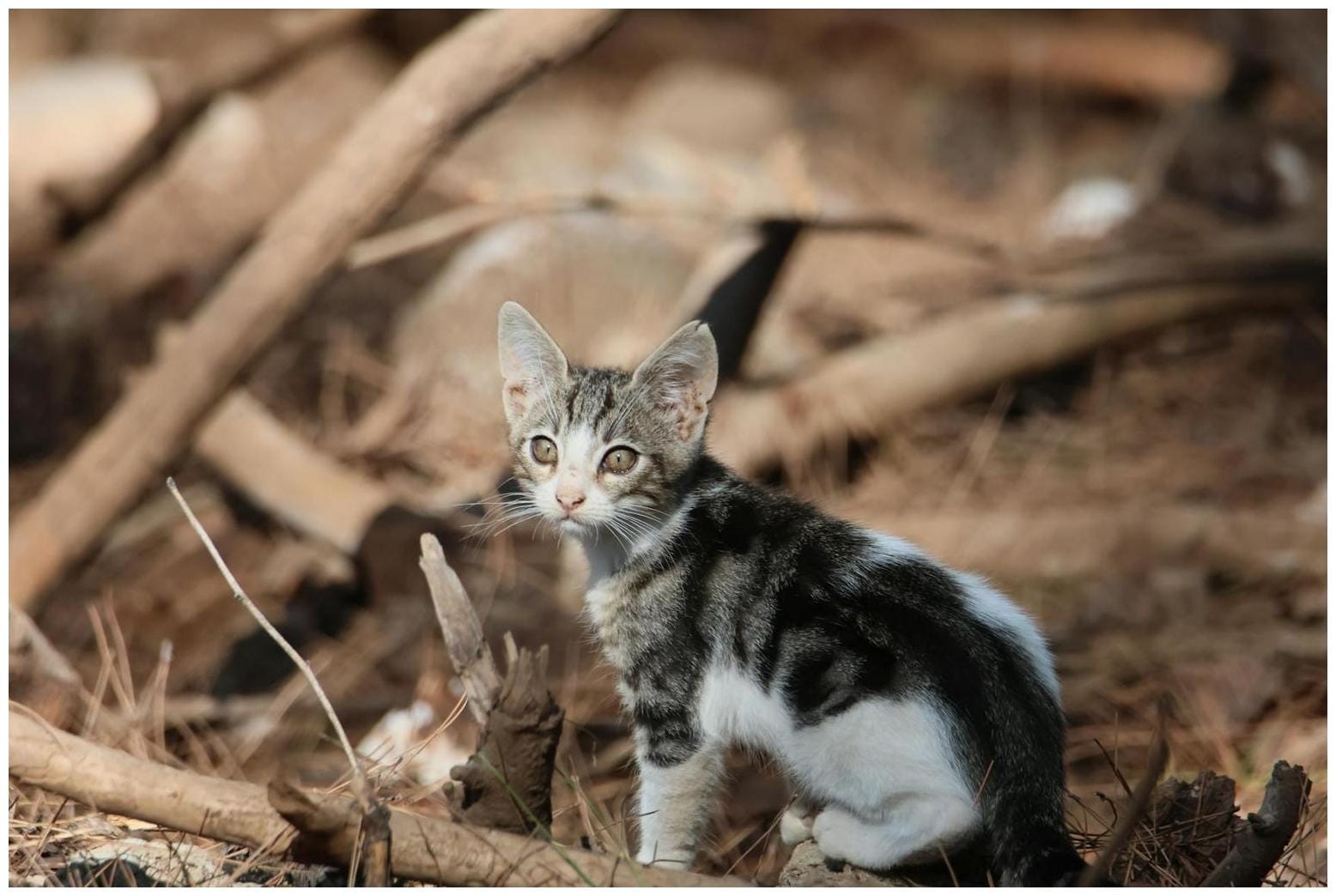
As caring modern feline companions have, we cherish our feline companions, ensuring their safety and well-being. But what about their wild relatives, living in the jungles and forests of the world? Recently, an amazing Palawan leopard cat rescue operation highlighted the urgent need for wildlife protection. Two precious Palawan leopard cats, locally known as tamaral or maral, were successfully rescued in Barangay Tagumpay, Roxas, Palawan, and turned over on Monday, February 23, 2026.
This heartwarming event serves as a crucial reminder of the ongoing efforts to conserve the Philippines’ unique biodiversity. These majestic creatures, often mistaken for domestic cats due to their striking patterns, are vital to their ecosystem. Their survival depends on dedicated individuals and organizations working tirelessly to protect them from threats like habitat loss and illegal wildlife trade.
Join us as we delve into the details of this significant rescue, explore the world of the Palawan leopard cat, and understand how every cat lover can contribute to broader wild felines around the globe. You’ll discover not just a story of triumph, but also actionable insights into how you can make a difference for wild felines around the globe.
Understanding the Palawan Leopard Cat: Why This Rescue Matters
The recent Palawan leopard cat rescue has not only captivated animal lovers but also shed light on the intricate challenges faced by wild feline species. For those of us who share our homes with beloved domestic cats, it’s easy to feel a connection to these majestic wild relatives. However, the threats they face are far greater than anything our pampered pets will ever encounter, making every successful rescue a beacon of hope.
This particular rescue incident in Barangay Tagumpay, Roxas, Palawan, serves as a poignant reminder of the tireless efforts of conservationists and the Palawan Council for Sustainable Development (PCSD). Their prompt response ensured the immediate safety of two individuals of this rare and beautiful species, giving them a second chance at life in their natural habitat. This dedication underscores the importance of local communities in wildlife protection.
As devoted caring cat parents, understanding the plight of these wild cats allows us to appreciate the delicate balance of nature and our role in preserving it. The success of a Palawan leopard cat rescue is a testament to what can be achieved when communities and authorities work together for a common environmental goal. It inspires us to learn more and engage with conservation.
The Elusive Tamaral or Maral: A Closer Look
The Palawan leopard cat (Prionailurus bengalensis heaneyi) is an enchanting sub-species endemic to Palawan, Philippines. Known locally as ‘tamaral’ or ‘maral,’ these small wild cats possess a striking appearance, reminiscent of their larger leopard cousins with their beautiful spotted coats. Unlike domestic cats, they are primarily nocturnal and incredibly elusive, making sightings rare and their study challenging for researchers and conservationists alike.
These fascinating felines play a crucial role as apex predators in their ecosystem, helping to maintain the balance of local wildlife populations. By preying on small rodents and insects, they contribute significantly to the health and biodiversity of Palawan’s forests. Their health and survival are indicative of the overall vitality of Palawan’s natural habitats, making their conservation paramount.
The Critical Role of Palawan Leopard Cats in the Ecosystem
Beyond their captivating beauty, Palawan leopard cats are ecological engineers, integral to the intricate web of life on Palawan island. Their predatory habits help to control populations of agricultural pests, benefiting local farmers and maintaining forest health. Without these natural predators, an imbalance could occur, leading to cascading negative effects throughout the ecosystem.
Conserving the tamaral maral means preserving the delicate balance of an entire ecosystem. Their presence signifies a healthy environment, rich in biodiversity, which in turn supports other wildlife and even human communities through ecological services. This is why every wild cat rescue Palawan undertakes is not just about one animal, but about the future of the entire island’s natural heritage.
The Remarkable Palawan Leopard Cat Rescue Operation
The recent operation to save two Palawan leopard cats is a testament to swift action and dedicated local efforts. On Monday, February 23, 2026, residents in Barangay Tagumpay, Roxas, Palawan, discovered these vulnerable wild cats in circumstances that necessitated immediate intervention. Such discoveries often lead to critical decisions about animal welfare and their potential return to the wild.
For caring cat parents, imagining a wild cat in distress can be heartbreaking. This rescue highlights the difference that vigilance and community involvement can make. The prompt notification to authorities allowed for a professional response, ensuring the animals’ safety and minimizing stress during capture. It’s a powerful example of how public awareness fuels effective wildlife protection.
This particular Palawan leopard cat rescue demonstrates a crucial link between human communities and wildlife. When animals venture too close to human settlements, it often signals habitat encroachment or other environmental pressures. Therefore, understanding the context of such rescues helps us grasp the broader challenges of coexisting with wildlife.
The Discovery and Initial Response
The exact circumstances of the discovery of the two tamaral or maral in Barangay Tagumpay underscore the need for local communities to be educated on wildlife protocols. Upon locating the cats, local residents acted responsibly, avoiding direct confrontation or attempts to handle the wild animals themselves. This crucial first step prevented potential injury to both the cats and humans involved.
Authorities, likely the local government or environmental agencies, were immediately informed. This rapid communication chain is vital in any wild animal emergency, especially when dealing with protected species like the Palawan leopard cat. Swift assessment of the situation ensures that proper handling and care procedures can be initiated without delay, setting the stage for a successful outcome.
Safe Turnover to the Palawan Council for Sustainable Development
Following their rescue, the two Palawan leopard cats were promptly and safely turned over to the Palawan Council for Sustainable Development (PCSD). The PCSD is the primary government body mandated to enforce environmental laws and oversee sustainable development in Palawan. Their expertise is invaluable in assessing the health of rescued animals and determining the most appropriate next steps.
This turnover process is a critical stage, as it ensures the animals receive professional veterinary care, rehabilitation, and a safe environment away from immediate threats. For rescued Palawan leopard cats, the PCSD’s facilities provide a secure refuge where they can recover from the ordeal. It’s a testament to established protocols designed to protect Palawan’s precious wildlife.
Protecting Rescued Palawan Leopard Cats: Rehabilitation and Release
Once safely in the care of the PCSD, the journey for these rescued Palawan leopard cats transitions to a phase of rehabilitation. This is a complex and delicate process, requiring specialized knowledge and facilities to prepare wild animals for a potential return to their natural habitat. It’s not just about healing physical wounds, but also ensuring their instincts remain sharp for survival in the wild.
The goal of any effective wild cat rescue Palawan undertakes is always to release the animals back into their natural environment, whenever possible. This requires careful assessment of their health, behavior, and the availability of suitable release sites. It’s a challenging but deeply rewarding aspect of conservation work, vital for maintaining healthy wild populations.
For us, as advocates for all felines, understanding this post-rescue phase helps us appreciate the full scope of wildlife protection efforts. The welfare of these rescued palawan leopard cats hinges on meticulous care and strategic planning, reflecting a profound commitment to sustainable development Palawan has embraced as a core principle.
The Journey to Recovery: What Happens After a Rescue
After a rescue, the Palawan leopard cats undergo thorough veterinary examinations to check for injuries, diseases, or signs of malnourishment. They are given appropriate medical treatment and a specialized diet to help them regain strength. The aim is to minimize human interaction while ensuring their recovery, thus preserving their wild instincts.
Behavioral assessment is equally important. Experts observe the cats for signs of fear, aggression, or over-habituation to humans. If the cats are deemed too habituated or unable to fend for themselves, a long-term sanctuary might be their only option. However, the priority is always to prepare them for a successful reintroduction to their natural environment, fostering their independence.
Ensuring Long-Term Success: Tamaral Maral Conservation Strategies
The successful rehabilitation and release of rescued Palawan leopard cats are just one piece of the larger puzzle of tamaral maral conservation. Long-term strategies involve protecting their natural habitats from deforestation, mining, and human encroachment. Establishing protected areas and wildlife corridors is crucial for their survival and genetic diversity.
Community engagement and education are also vital components. By raising awareness among local populations about the importance of these cats and the illegality of wildlife trade, PCSD and other organizations foster a sense of shared responsibility. This holistic approach ensures that future generations of Palawan leopard cats can thrive, free from human-induced threats.
How Caring Cat Parents Can Support Palawan Leopard Cat Rescue Efforts
As devoted cat parents, our love for our domestic felines naturally extends to their wild cousins. Supporting Palawan leopard cat rescue efforts and broader wildlife conservation is a tangible way to act on that empathy. You might wonder, how can I, living thousands of miles away, truly make a difference for these remarkable animals?
The good news is that every action, no matter how small, contributes to the larger picture of sustainable development Palawan aims for. From learning more about the species to advocating for policy changes, your involvement can create a ripple effect. It’s about becoming an informed and active participant in global conservation, bridging the gap between our homes and wild habitats.
Your passion for cats can be a powerful force for good. By understanding the challenges faced by wild cats like the tamaral or maral, you can inspire others and contribute to vital protection initiatives. Let’s explore practical steps you can take to support these essential efforts.
Educating Yourself and Others About Wild Cat Protection
The first step in making a difference is knowledge. Learn about the Palawan leopard cat, their habitat, threats, and conservation status. Share this information with friends, family, and your social networks. Raising awareness about these incredible creatures and the importance of wild cat rescue Palawan performs can inspire more people to get involved.
Support organizations that focus on wildlife education and conservation, both locally in your area and internationally. Many groups offer resources, webinars, and educational materials that can deepen your understanding and help you become a more effective advocate for animals. Informed advocacy is powerful advocacy.
Practical Ways to Contribute to Sustainable Development Palawan
Consider donating to reputable wildlife conservation organizations, especially those working directly with Palawan wildlife protection and tamaral maral conservation. Financial support helps fund rescue operations, rehabilitation efforts, habitat protection, and anti-poaching initiatives. Even small contributions add up to make a significant impact on these vital programs.
Furthermore, responsible tourism, if you ever visit Palawan, means choosing eco-friendly operators that prioritize local communities and wildlife. Avoid purchasing products made from endangered species or materials. Every conscious choice you make contributes to the broader goal of sustainable development Palawan champions, safeguarding its unique biodiversity for future generations.
Common Mistakes to Avoid in Wild Cat Rescue Palawan Scenarios
While the instinct to help an animal in distress is commendable, direct intervention in a wild cat rescue Palawan situation can often do more harm than good. A common mistake is attempting to handle the wild animal yourself without proper training or equipment. Wild cats, even when seemingly docile or injured, can be unpredictable and may lash out, causing injury to both themselves and the rescuer.
Another pitfall is delaying notification to local authorities. Every minute counts in a rescue situation, especially for injured or displaced animals. Waiting too long can reduce the chances of a successful outcome or lead to further complications for the animal’s health. Always prioritize contacting experts immediately rather than trying to figure things out independently.
Furthermore, improper feeding or housing of a rescued wild cat can be detrimental. Wild animals have specific dietary needs and behavioral patterns that differ greatly from domestic pets. Providing the wrong food or an unsuitable environment can lead to stress, illness, or further injury. Always defer to the expertise of wildlife professionals to ensure the best care for the rescued palawan leopard cats.
Expert Advice for Palawan Wildlife Protection and Beyond
Wildlife experts emphasize that the most effective form of Palawan wildlife protection begins with habitat preservation. Protecting and restoring the natural environments where species like the Palawan leopard cat thrive is paramount. This includes advocating against deforestation, illegal logging, and environmentally damaging development projects that fragment critical habitats.
Another crucial piece of advice is to support and abide by local wildlife laws and regulations. These laws are designed to safeguard endangered species and their environments. Reporting suspicious activities, such as illegal hunting or wildlife trade, plays a direct role in enforcing these protections and preventing further harm to vulnerable populations like the tamaral maral.
For us as caring individuals, supporting scientific research is also key. Understanding the biology, behavior, and population dynamics of species like the Palawan leopard cat helps conservationists develop more targeted and effective protection strategies. By staying informed and supporting reputable organizations, you contribute to a future where successful Palawan leopard cat rescue operations become less frequent, replaced by thriving wild populations.
Conclusion: The Future of Palawan Leopard Cat Rescue and Conservation
The heartwarming story of the two rescued Palawan leopard cats in Barangay Tagumpay serves as a powerful reminder of nature’s fragility and resilience. It underscores the critical importance of continuous vigilance, community involvement, and expert intervention in protecting our planet’s precious biodiversity. For us, as caring modern cat parents, this event resonates deeply, connecting our love for domestic felines with the urgent need to safeguard their wild relatives.
Every successful Palawan leopard cat rescue not only saves individual lives but also invigorates the broader mission of tamaral maral conservation. It highlights the indispensable role of organizations like the Palawan Council for Sustainable Development and the dedication of countless individuals committed to Palawan wildlife protection. The journey of these two wild cats from rescue to potential release is a beacon of hope for their species.
Let this story inspire you to take an active role in conservation. Whether through education, advocacy, or financial support, your efforts contribute to a future where the majestic Palawan leopard cat can thrive in its natural habitat, free from threats. Together, we can ensure that these amazing creatures continue to roam the wild landscapes of Palawan for generations to come, a true testament to sustainable development Palawan.
- Support Local Conservation Groups: Financial contributions, no matter how small, directly aid organizations in Palawan dedicated to wildlife rescue and habitat preservation. These funds help operate rescue centers and deploy field teams for tamaral maral conservation.
- Educate Your Community: Share facts about the Palawan leopard cat and the importance of their conservation with your friends and family. Increased awareness can lead to greater public support for wildlife protection initiatives.
- Report Suspicious Activities: If you ever encounter illegal wildlife trade or habitat destruction, immediately report it to local authorities or environmental agencies. Your quick action can prevent harm to animals and their ecosystems.
- Practice Responsible Tourism: When traveling, especially to biodiverse regions like Palawan, choose eco-friendly tour operators. Support businesses that demonstrate a commitment to sustainable development and respect local wildlife.
- Reduce Your Ecological Footprint: Minimize your consumption, reduce waste, and support sustainable products. These actions indirectly reduce pressure on natural habitats, benefiting wild cats and other wildlife.
- Advocate for Policy Changes: Support policies and legislation aimed at protecting endangered species and their habitats. Your voice can influence decision-makers to prioritize environmental conservation and effective Palawan leopard cat rescue protocols.
- Volunteer Your Time or Skills: If possible, offer your time or professional skills to conservation organizations. Whether it’s administrative help, social media management, or fieldwork, every contribution is valuable for wildlife protection.
- Spay/Neuter Your Pets: While seemingly unrelated, controlling domestic pet populations reduces the number of stray animals that can impact local wildlife through competition, predation, or disease transmission.
- Create Wildlife-Friendly Yards: Even in urban areas, planting native flora can create small havens for local wildlife, supporting biodiversity from your own backyard. This fosters a connection to the natural world.
- Be a Responsible Pet Owner: Ensure your domestic cats are always properly cared for and never allowed to roam freely where they might threaten local wildlife. This simple step supports broader wildlife safety and shows responsible pet ownership, vital for preventing the need for a Palawan leopard cat rescue for a wild relative.