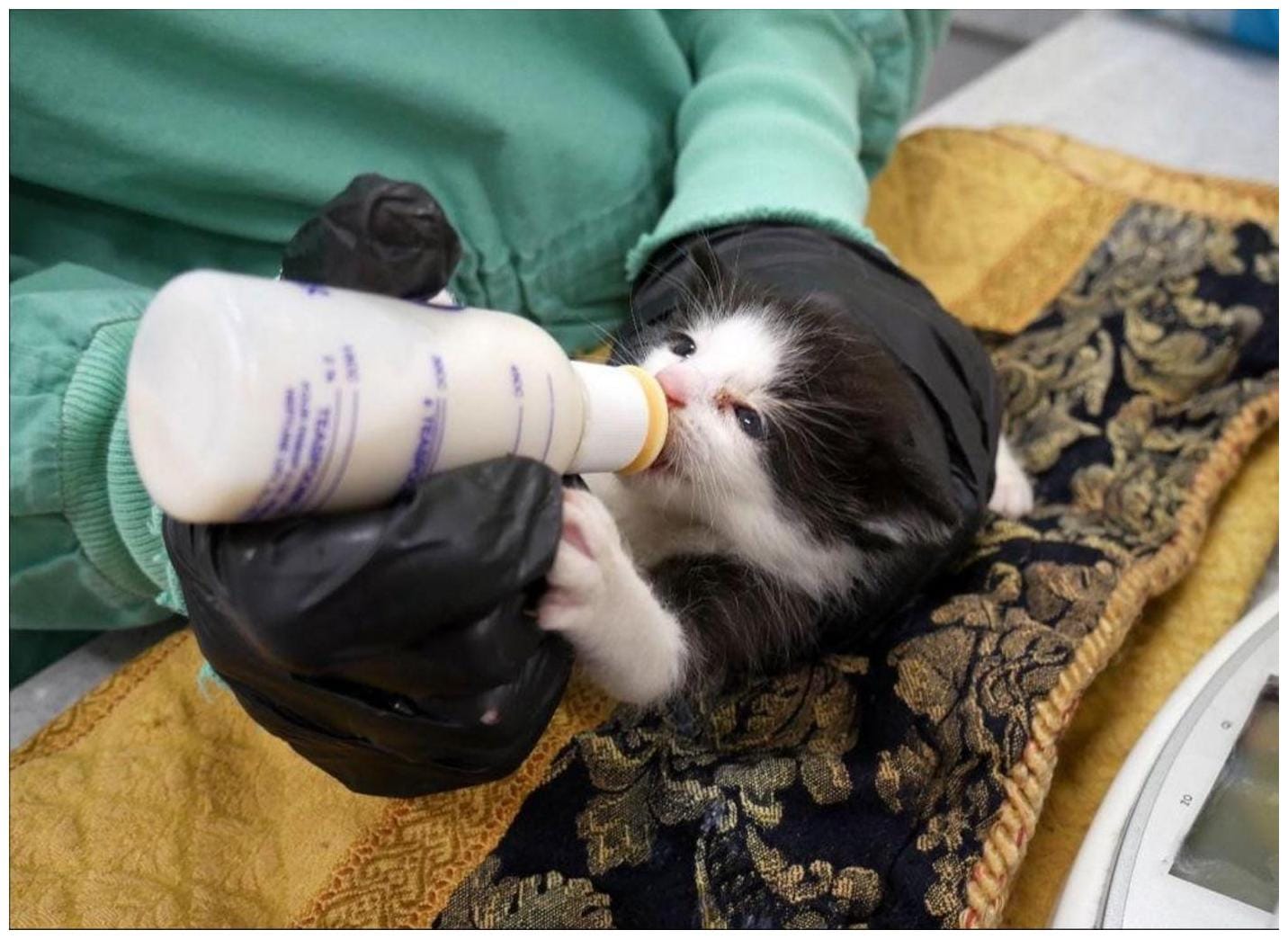
Learn why picking up newborn kittens needs caution and discover 7 expert steps to keep them safe, plus tips and FAQs for caring cat parents.
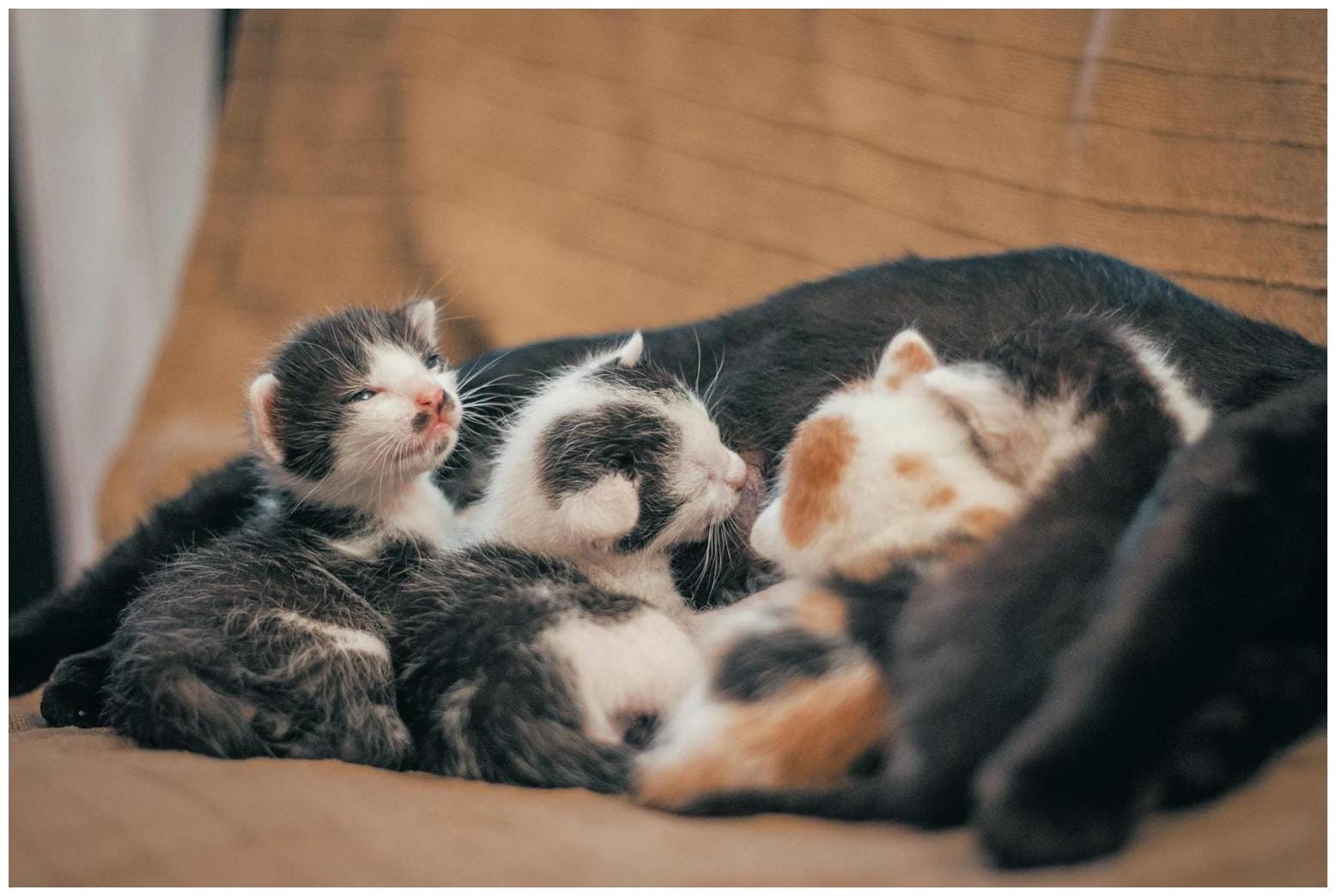
When you spot a tiny newborn kitten curled up on the floor, your instinct might be to pick it up and give it a gentle cuddle. But have you ever stopped to ask, “Is picking up newborn kittens something you should really do?” Many caring modern cat parents fall into the trap of assuming that a baby cat can be handled just like an adult. In reality, picking up newborn kittens requires a delicate balance of knowledge, patience, and respect for their fragile physiology. This guide will walk you through the science, the safe steps, the common pitfalls, and the expert insights you need to protect these precious lives while building a bond that lasts a lifetime.
Why picking up newborn kittens requires caution.
The first week of a kitten’s life is a window of vulnerability. Their bones are still soft, their immune system is underdeveloped, and their body temperature fluctuates wildly without the mother’s constant heat. If you aren’t prepared, even a brief, well‑intended cuddle can cause stress, injury, or even loss of the kitten. Below, you’ll find everything you need to know before deciding to pick up newborn kittens.
Why do experts repeatedly warn against picking up newborn kittens? Because every handling interaction carries a risk. The mother cat uses scent and touch to communicate safety, and unwelcome interference can trigger anxiety or aggression. Additionally, kittens’ delicate skin can tear easily, and their tiny limbs can be crushed under heavy hands. Understanding these biological realities is the first step toward responsible care.
Why Picking Up Newborn Kittens Requires Extra Caution
When you think about picking up newborn kittens, it’s easy to picture a soft, fluffy bundle that you can safely cradle. However, the reality is that newborn kittens are more fragile than they appear. Their skeletal structure is still forming, and their muscles are weak. Even a light squeeze can cause fractures or bruises that may affect growth later on.
Beyond physical fragility, newborn kittens rely heavily on their mother’s body temperature. A single loss of warmth can lead to hypothermia, which can be fatal within minutes. When you lift a kitten out of its nesting spot, you disrupt this delicate thermal equilibrium.
Temperature regulation is critical for newborn kittens.
Newborn Kittens Are Extremely Fragile
At birth, a kitten weighs only 80–120 grams. Their skin is paper‑thin, and their eyes are sealed shut for the first ten days. The slightest pressure can damage the delicate blood vessels that supply the eyes and ears. For this reason, many veterinarians advise against any handling until the kitten is at least two weeks old.
If you do need to pick up a newborn kitten for health reasons—such as repositioning it to avoid a sibling’s aggressive behavior—follow strict protocols: use two hands, keep them close to your body, and avoid any sudden movements.
Temperature Regulation Is a Big Concern
A kitten’s core temperature should stay between 95 °F and 100 °F (35 °C and 38 °C) during the first week. The mother’s presence provides constant heat through her body and licking. When you pick up a kitten, you remove that warmth source. If the kitten’s fur feels damp or you notice shivering, it’s already losing heat.
Use a soft baby blanket or a warm hand‑to‑hand contact to transfer heat, but never use a hair dryer or heating pad directly on the kitten. Rapid temperature changes can cause thermal shock, leading to organ failure.
How to Safely Pick Up Newborn Kittens: Step‑By‑Step Guide
Before you ever consider picking up newborn kittens, make sure you have prepared the environment. A quiet, warm room with a secure nesting box reduces stress for both the mother and the kittens. Follow these seven proven steps to keep every interaction safe.
Step 1: Prepare a Warm Environment
Create a temperature‑controlled space where the mother cat feels comfortable. A 78‑82 °F (26‑28 °C) setting is ideal for newborn kittens. Place a low‑heat heat pad under a soft blanket, but never let the pad touch the kitten directly. This ensures the area stays warm without risking burns.
Step 2: Wash Your Hands and Wear Gloves
Sanitize your hands with a mild, fragrance‑free soap. Even a tiny amount of bacteria can cause serious infections in a newborn kitten’s weak immune system. If you’re a smoker or have recently handled chemicals, change your gloves or wash your hands again.
Gloves should be thin enough to allow tactile feedback but thick enough to protect your skin from scratches. Latex or nitrile gloves are preferred because they are lightweight and non‑reactive.
Step 3: Observe the Mother Cat’s Body Language
The mother cat will often signal when she feels safe or threatened. If she stays close, rolls over, or gently nudges you, it’s a sign she’s comfortable. However, if she arches her back, hisses, or tries to move away, it’s best to pause and respect her space.
Never force the mother away from her litter. She is the primary caregiver and her presence is vital for feeding and hygiene. If you must intervene, do so slowly and with one hand, leaving the other free for her.
Step 4: Use Two Hands to Create a Cradle
Place one hand flat underneath the kitten’s belly, gently supporting its torso. Use the other hand to lift the kitten by the scruff of the neck—just enough to keep the body stable. The scruff is a natural “handle” that kittens tolerate well when held correctly.
Avoid gripping the kitten too tightly. The skin in the scruff area should not be pulled away from the underlying muscle. If you feel resistance, release a little. Remember, the goal is support, not squeezing.
Step 5: Keep the Kitten Close to Your Body
Once lifted, bring the kitten close to your chest or shoulder. This reduces the distance between you and the kitten, minimizing the chance of accidental drops. Also, the mother’s scent stays on you, which helps the kitten feel safe.
If you need to move the kitten to another location, carry it on a clean, soft towel and keep the towel draped over the kitten at all times. This acts as a protective barrier and maintains warmth.
Step 6: Limit Handling Time to 30‑60 Seconds
Newborn kittens can become stressed after just a minute of being lifted. If you notice the kitten’s breathing becoming shallow or its pupils dilating, that’s a sign it’s overwhelmed. Return the kitten to its nest immediately.
During routine checks—such as weighing or cleaning—keep the time under 30 seconds. For feeding or health interventions, you may need a few more seconds, but always monitor the kitten’s reaction.
Step 7: Document Every Interaction
Keeping a brief log of when you pick up newborn kittens, how long you held them, and any observed changes helps you identify patterns. Over time, you’ll learn the optimal handling frequency for each litter.
If you have multiple litters or rescue kittens, a simple spreadsheet with columns for “Date”, “Time”, “Duration”, and “Notes” can be a lifesaver. Share this data with a vet if you notice persistent stress signs.
Common Mistakes When Picking Up Newborn Kittens
Even the most caring cat parent can make errors that jeopardize a kitten’s safety. Here are the most frequent blunders and how to avoid them.
Gripping Too Hard or Too Fast
Many owners unintentionally squeeze newborn kittens when they think they’re being gentle. The kitten’s soft ribs can compress under force, leading to bruising or internal injuries. Always use a two‑hand cradle and adjust grip strength to “just enough”.
If you feel you’re squeezing, pause and take a breath. Place the kitten on a soft surface, then try again with a lighter touch. Your calm demeanor will also reassure the mother cat.
Ignoring the Mother Cat’s Warning Signals
The mother cat is your best gauge of safety. She may hiss, growl, or try to move away if she senses you’re too close. Ignoring these cues can cause the mother to abandon the litter or become aggressive.
When the mother cat retreats, step back and give her space. If she returns, you can try again. Patience beats force every time.
Expert Advice on Picking Up Newborn Kittens
Veterinarians and feline behaviorists have shared proven strategies that go beyond basic handling. Let’s explore those recommendations.
Let the Mother Cat Lead the Interaction
If the mother cat is present, let her guide you. She will often nuzzle the kitten, encouraging you to stay close. When she relaxes, you can safely lift the kitten for short moments.
If you’re rescuing a kitten without a mother, simulate her behavior by gently stroking the kitten with a warm finger. This mimics licking and provides reassurance.
Use a Soft Baby Blanket for Support
A lightweight, cotton‑blend blanket acts as a gentle cushion. It protects the kitten from accidental bumps while you carry it. The blanket also helps retain warmth, reducing the risk of hypothermia.
A soft blanket is essential for safe handling.
Understanding the First 48 Hours of a Kitten’s Life
During the first two days after birth, a kitten’s vital organs are still adjusting to life outside the womb. Their lungs need to clear fluid, and their heart rate should be around 200–250 beats per minute. If you pick up a kitten during this period, any jolt can disrupt these processes.
The mother cat typically spends the first 48 hours in continuous contact with her litter, licking them clean and stimulating urination. Interrupting this rhythm can lead to dehydration or constipation in the kittens.
Experts recommend that you avoid handling newborn kittens until they are at least 48 hours old, unless a medical emergency requires immediate intervention.
Health Checks You Should Perform Before Handling
Before you even consider picking up newborn kittens, a quick health assessment can save lives. Look for signs such as clear eyes, pink gums, steady breathing, and a weight gain of 5–10 grams per day. If any of these indicators are off, it’s best to postpone handling until the kitten stabilizes.
Use a gentle touch to feel the kitten’s abdomen. A soft, pliable belly suggests a healthy internal condition. If you detect a hard spot or swelling, contact a vet before attempting to lift the kitten.
Also, check the mother cat’s condition. If she appears ill, stressed, or has a low milk supply, it’s safer to keep the kittens together and avoid picking them up.
Creating a Safe Nest for Newborn Kittens
A safe nest mimics the mother’s warm, secure environment. Line a cardboard box or pet carrier with soft fleece or low‑pile blankets. Add a small heat source underneath—like a heat pad set to low—to maintain the ideal temperature.
A safe nest reduces handling needs.
Place the nest in a quiet corner of your home, away from drafts, loud noises, and other pets. The mother cat will instinctively use the nest as a place of safety, reducing the need for you to pick up the kittens.
Avoid using cedar shavings or pine needles; these can irritate delicate respiratory systems. Stick to washable fabrics that can be sanitized weekly.
Nutrition: Feeding Mother and Kittens
The mother cat’s diet is crucial during the first weeks. Provide high‑quality, protein‑rich kitten food and ensure she has constant access to fresh water. A well‑fed mother will produce enough milk to keep her litter warm and nourished.
If you must supplement with formula, use a kitten‑specific milk replacer and follow the manufacturer’s instructions exactly. Over‑feeding can cause gastrointestinal upset, while under‑feeding can lead to weak kittens who are more vulnerable when you pick them up.
Feeding schedule: the mother should nurse every 2–3 hours for the first few days. If you see the mother absent for longer, you may need to intervene, but only after confirming the kittens are warm enough to handle safely.
Signs of Stress in Newborn Kittens
Stressed kittens often display subtle clues. Look for rapid breathing, trembling, crouching low with ears flattened, or a lack of vocalization. In severe cases, they may become limp or refuse to nurse.
When you notice any of these signs, immediately return the kitten to its nest and let the mother continue caring. If the stress persists for several minutes, it may indicate a deeper issue that warrants veterinary attention.
Keep a daily log of the kitten’s behavior. Patterns such as consistent stress after handling can help you adjust your routine and reduce risk.
When to Seek Veterinary Help
If a newborn kitten shows persistent lethargy, refuses to eat, has pale gums, or develops a fever above 103 °F (39.4 °C), contact a vet right away. Early intervention can prevent serious complications.
Veterinarians can perform gentle examinations using specialized equipment designed for tiny patients. They may also administer subcutaneous fluids to maintain hydration while you handle the kitten with care.
Never attempt to diagnose or treat a newborn kitten on your own. Their fragile bodies require professional expertise, especially when you’re picking them up for medical reasons.
The Role of the Mother Cat in Bonding
The mother cat’s presence is the cornerstone of a kitten’s emotional development. She provides warmth, scent, and early socialization that shape the kitten’s confidence. When you pick up newborn kittens, you disrupt this natural bonding process.
Research shows that kittens handled sparingly during the first month are more likely to become well‑adjusted adults, whereas frequent handling can cause heightened anxiety and aggression later in life.
If you need to separate kittens for medical treatment, consider using a surrogate mother—a calm adult cat or a hand‑rearing protocol that mimics maternal care—rather than frequent direct handling.
Long‑Term Impact of Early Handling
Early handling of newborn kittens can have lasting effects on their health and temperament. Kittens that experience excessive picking up before they are fully capable of regulating temperature may develop slower growth rates.
On the flip side, gentle, limited handling—such as brief weigh‑ins or health checks—helps acclimate them to human touch, making future veterinary visits less stressful. Balance is key.
Remember, the goal is to protect the kitten’s welfare while fostering a trusting relationship with you. Over‑handling can erode trust and jeopardize both mother and kitten.
Conclusion: The Right Way to Pick Up Newborn Kittens
When you finally decide to pick up newborn kittens, remember that the act is not just about affection—it’s about health, safety, and trust. By respecting the mother’s role, preparing a warm environment, using two‑hand support, and limiting handling time, you give each kitten the best chance to thrive.
Now you have a complete roadmap: overview, step‑by‑step guide, common mistakes, expert tips, and a clear conclusion. Apply these principles, and you’ll become a confident, compassionate cat parent who knows exactly when and how to pick up newborn kittens.
- When Picking Up Newborn Kittens, Use a Soft Baby Blanket: A lightweight, cotton‑blend blanket acts as a gentle cushion, protecting the kitten from accidental bumps and helping retain body heat.A soft blanket is essential.
- Avoid Sudden Movements When Picking Up Newborn Kittens: Any abrupt lift or swing can startle the kitten and increase the risk of injury. Move slowly, keep your hands steady, and always maintain contact with the kitten’s body.Avoid sudden movements.
- Let the Mother Cat Guide You: If the mother is present, watch her cues—she will nuzzle or allow you to lift only when she feels safe. Respect her boundaries and never force the kitten out of her reach.
- Limit Handling Time to 30‑60 Seconds: Newborn kittens become stressed quickly; keep each handling session brief and return the kitten to its nest as soon as possible.
- Keep Your Hands Warm and Clean: Warm hands help maintain the kitten’s temperature, while clean hands prevent bacterial infections. Wash with fragrance‑free soap and wear thin gloves if needed.Keep hands clean.
- Monitor the Kitten’s Body Language: Look for signs like rapid breathing, trembling, or crouching low. If you see any stress cues, stop handling immediately and let the mother resume care.
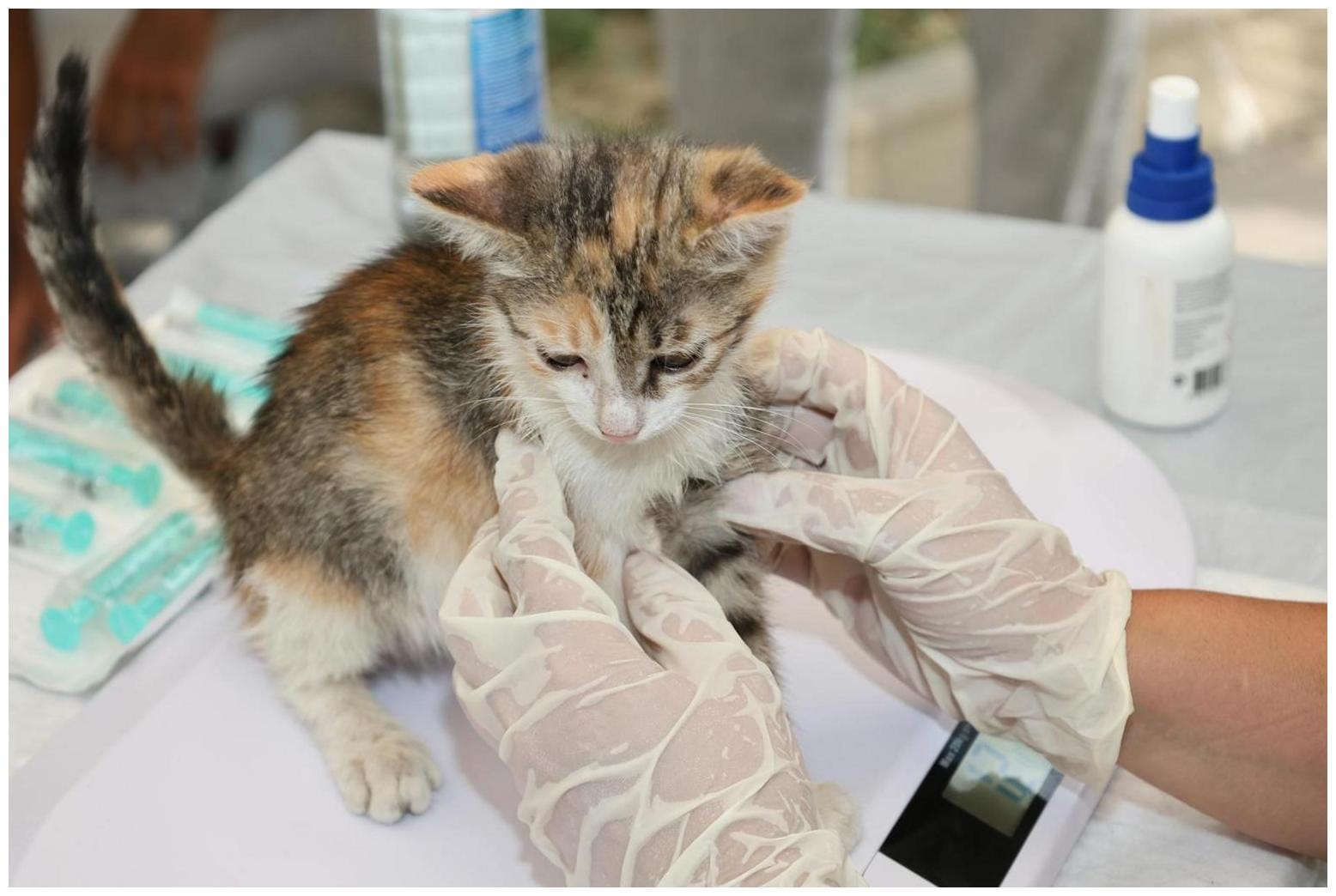
- Use a Kitten‑Safe Weight Scale: Weighing newborn kittens daily helps track growth; use a small digital scale designed for pets and record the numbers for future reference.Track growth.
- Create a Warm Nesting Box: Line a low‑profile box with fleece, add a low‑heat pad, and place it in a draft‑free area. This reduces the need to pick up kittens for warmth.Warm nesting is key.
- Document Every Interaction: Keep a simple log of dates, times, duration, and any observed changes. This data can alert you to patterns of stress and help you coordinate with your vet.Document interactions.