Discover if pet insurance for cats is worth the investment for your furry friend. Compare plans and find the perfect cat health insurance today!
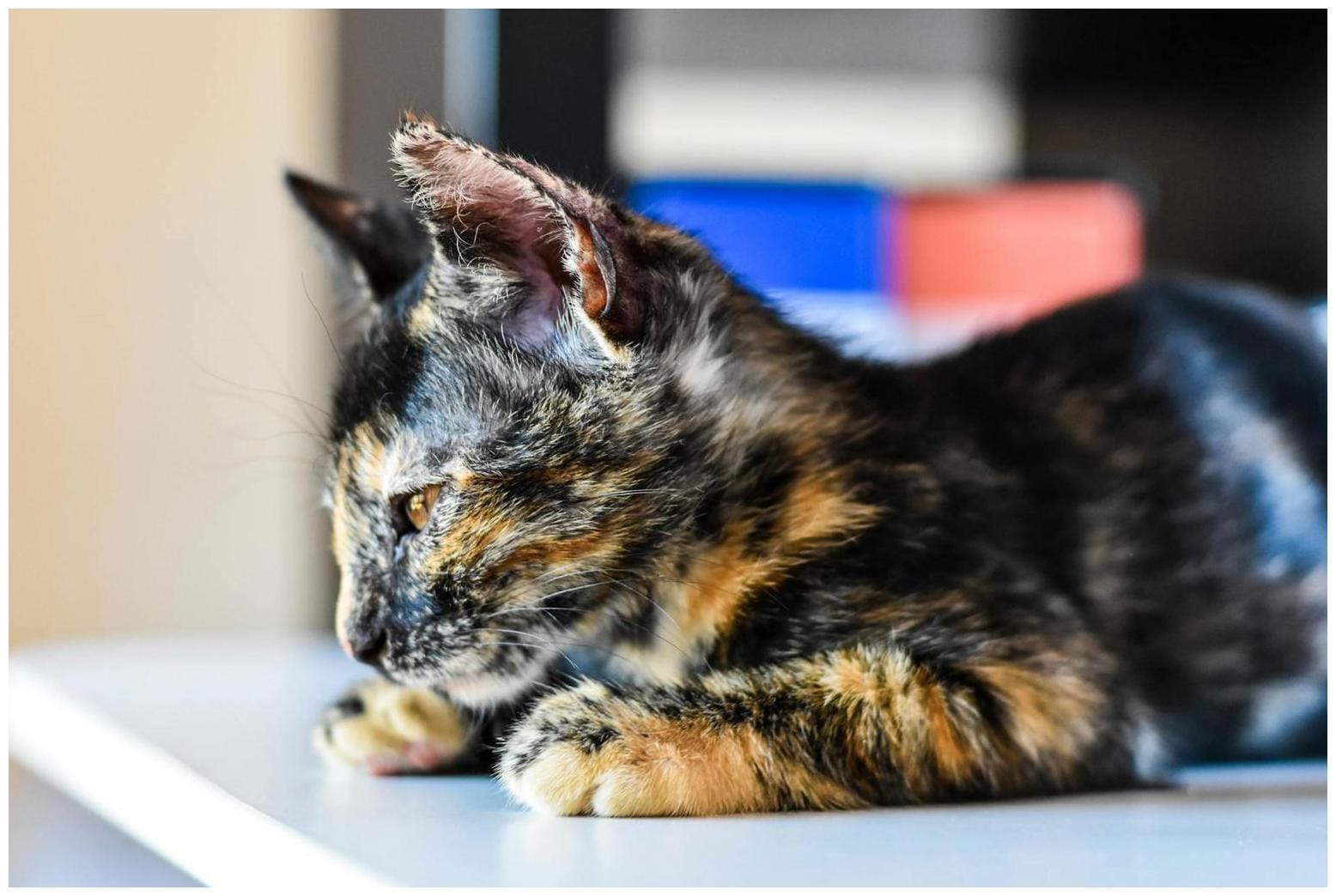
As a devoted cat parent, you want nothing but the best for your feline companion. You provide them with love, toys, tasty food, and a warm lap to nap on. But have you ever considered the unexpected? The sudden illness, the unforeseen accident, the vet bill that makes your eyes water? This is where pet insurance for cats comes into the picture, offering a potential financial safety net for those ‘just in case’ moments.
The question, “Is pet insurance for cats truly worth it?” is one that many modern cat parents ponder. It’s a significant decision that can impact both your wallet and your peace of mind. Navigating the world of cat health insurance plans can feel overwhelming, with various policies, coverages, and exclusions to understand. But fear not, we’re here to help you unravel the complexities and make an informed choice for your beloved furball.
In this comprehensive guide, we’ll explore the ins and outs of pet insurance for cats, helping you weigh the pros and cons, understand the costs, and compare pet insurance policies to find the ideal fit for your feline family member. Let’s dive in and discover if securing your cat’s health with insurance is the right move for you.
Understanding Pet Insurance for Cats: Why It Matters
For many cat owners, their pets are more than just animals; they’re cherished family members. And just like any family member, cats can face unexpected health issues that require veterinary attention. From a sudden injury during a playful pounce to a chronic illness that develops over time, the costs of modern veterinary care can quickly escalate. This is why understanding pet insurance for cats is so crucial.
Pet insurance essentially helps you manage these unpredictable veterinary expenses. Instead of facing a hefty bill out of pocket, your insurance policy can reimburse a significant portion of eligible costs. This can prevent you from having to make difficult decisions based on finances during an already stressful time. Imagine your cat needing emergency surgery – wouldn’t it be a relief to know that a substantial part of the cost would be covered?
It’s about proactive care and peace of mind. By investing in a good cat health insurance plan, you’re investing in your cat’s future well-being and your ability to provide them with the best possible medical care without financial strain.
The Pros and Cons of Pet Insurance for Cats
Deciding whether to get pet insurance for your feline friend involves carefully weighing the advantages against the potential drawbacks. There’s no one-size-fits-all answer, but understanding the common benefits and challenges can help you determine if is cat insurance worth it for your specific situation.
Benefits of Cat Health Insurance Plans
- Financial Protection Against Unexpected Costs: This is arguably the biggest pro. Accidents, illnesses, and emergencies can lead to veterinary bills costing thousands. Pet insurance mitigates this risk by covering a percentage of these costs, often after you meet a deductible. This means you can focus on your cat’s recovery rather than worrying about the financial burden.
- Access to Advanced Veterinary Care: With insurance, you might feel more comfortable pursuing advanced diagnostics, specialist consultations, or innovative treatments that could otherwise be financially prohibitive. This ensures your cat receives the best possible care, regardless of the price tag.
- Peace of Mind: Knowing you have a safety net for your cat’s health can significantly reduce stress and anxiety. You won’t have to choose between your cat’s health and your budget during a crisis.
- Routine Care Options (Optional Add-ons): Some policies offer optional wellness plans that cover routine preventative care like vaccinations, deworming, and annual check-ups. While these are often separate add-ons, they can help budget for regular health maintenance.
- Longevity and Quality of Life: Early diagnosis and consistent treatment, often facilitated by insurance, can lead to a longer, healthier, and happier life for your cat.
Potential Downsides and Exclusions
- Monthly Premiums: Pet insurance comes with a recurring monthly or annual cost. Over your cat’s lifetime, these premiums can add up, and if your cat remains healthy, you might feel you’ve paid for something you didn’t “use.”
- Pre-existing Conditions: Most policies do not cover conditions that were present before the policy started or during a waiting period. This is a crucial exclusion to understand and often a major reason why some owners feel cat insurance isn’t worth it if their pet already has health issues.
- Waiting Periods: There’s typically a waiting period (e.g., 14-30 days) before coverage for illnesses or accidents kicks in. If your cat gets sick during this period, it won’t be covered.
- Deductibles, Co-pays, and Annual Limits: You’ll usually need to pay a deductible first, then a co-payment (a percentage of the remaining bill), and there’s often an annual limit on how much the policy will pay out. Understanding these terms is vital.
- Exclusions: Beyond pre-existing conditions, some policies might exclude specific hereditary or congenital conditions, dental cleanings (unless injury-related), grooming, or elective procedures. Always read the fine print.
- Rising Premiums with Age: As your cat ages, their risk of illness increases, and so too can your insurance premiums.
Calculating the Cost of Pet Insurance NZ
Understanding the cost of pet insurance in NZ is a critical step in deciding if it’s the right choice for your feline friend. Premiums can vary significantly based on several factors, and it’s essential to grasp how these elements influence your overall expense. Remember, the cheapest policy isn’t always the best, and the most expensive isn’t always necessary.
Factors Influencing Your Cat’s Premium
- Age of Your Cat: Younger cats and kittens generally have lower premiums because they are less likely to develop chronic conditions. As your cat ages, the premium will typically increase.
- Breed of Your Cat: While cats are generally less prone to breed-specific hereditary conditions than dogs, some breeds might have slightly different risk profiles that can affect premiums. Mixed breeds often have lower premiums.
- Location: Veterinary costs can vary by region. If you live in an area with higher vet fees, your insurance premium might reflect that.
- Type of Policy: Accident-only policies are the most basic and cheapest. Comprehensive policies covering accidents, illnesses, and sometimes even wellness add-ons will naturally be more expensive.
- Deductible Amount: A higher deductible (the amount you pay out of pocket before insurance kicks in) usually means a lower monthly premium, and vice-versa.
- Reimbursement Rate: This is the percentage of the vet bill that the insurer will pay after the deductible. Common rates are 70%, 80%, or 90%. A higher reimbursement rate usually means a higher premium.
- Annual Limit: This is the maximum amount the insurer will pay out in a policy year. Policies with higher annual limits tend to have higher premiums.
Navigating Deductibles, Co-pays, and Limits
When you’re comparing pet insurance policies, these three terms are fundamental to understanding your out-of-pocket expenses:
- Deductible: This is the fixed amount you pay annually or per incident before your insurance company starts to reimburse you. For example, if you have a $200 annual deductible and your vet bill is $1000, you pay the first $200.
- Reimbursement Percentage (or Co-pay): After your deductible is met, the insurance company will reimburse you for a percentage of the remaining bill. If your reimbursement rate is 80% and your bill (after deductible) is $800, the insurer pays $640, and you pay the remaining $160 (your 20% co-pay).
- Annual Limit: This is the total maximum amount the insurance company will pay out in a policy year. Once this limit is reached, you are responsible for all further veterinary costs until the policy renews.
Choosing the Best Pet Insurance for Kittens and Adult Cats
Finding the perfect pet insurance for cats, whether you have a playful kitten or a wise senior feline, requires careful consideration. It’s not just about finding the cheapest option; it’s about finding the policy that best meets your cat’s specific needs and your financial comfort level. Here’s what to look for and how to approach comparing policies.
What to Look for in a Comprehensive Policy
- Comprehensive Coverage: Look for policies that cover a wide range of accidents (broken bones, poisonings) and illnesses (infections, cancer, diabetes). Ensure it covers diagnostic tests (X-rays, blood work), surgeries, hospitalisation, specialist care, and prescription medications.
- Reputation of the Insurer: Research the company’s customer service, claims process efficiency, and financial stability. Read reviews and seek recommendations from other pet owners.
- Customization Options: Can you adjust your deductible, reimbursement rate, and annual limit to fit your budget? Flexibility is key.
- No Per-Incident Limits: Some older policies might have limits per condition. Look for policies with an annual limit that applies to all covered conditions combined, offering broader protection.
- Clear Policy Wording: The policy document should be easy to understand. Pay close attention to definitions of “accident,” “illness,” and, most importantly, “pre-existing conditions.”
- Coverage for Hereditary/Congenital Conditions: While many policies exclude pre-existing conditions, some comprehensive plans may cover hereditary or congenital conditions if they weren’t showing symptoms before enrollment or during the waiting period. This is especially important for purebred cats.
- Emergency Vet Visit Coverage: Ensure the policy covers out-of-hours and emergency clinic visits, as these are often more expensive.
Compare Pet Insurance Policies: A Step-by-Step Guide
- Assess Your Cat’s Needs: Consider your cat’s age, breed, and general health. A young, healthy cat might benefit from a comprehensive plan to cover future unknowns, while an older cat might need specific illness coverage (though pre-existing conditions will likely be excluded).
- Determine Your Budget: How much can you comfortably afford to pay monthly for premiums and out-of-pocket for deductibles/co-pays?
- Gather Quotes from Multiple Providers: Don’t settle for the first quote. Obtain quotes from at least 3-5 different pet insurance providers in NZ.
- Read the Policy Wording Carefully: This is non-negotiable. Pay close attention to what’s covered, what’s excluded, waiting periods, and how claims are processed. Look for hidden fees or confusing clauses.
- Compare Deductibles, Reimbursement Rates, and Annual Limits: Use a spreadsheet if needed to compare these key financial components side-by-side. Remember the trade-offs (e.g., higher deductible = lower premium).
- Check Customer Reviews and Claims Process: Look for reviews specifically mentioning claims handling. An efficient claims process is vital when you’re under stress.
- Consider Wellness Add-ons (Optional): If you want routine care covered, see if providers offer wellness packages and if the cost makes sense for your budgeting needs.
- Ask Questions: If anything is unclear, contact the insurance provider directly and get clarification in writing if possible.
Common Mistakes to Avoid When Getting Pet Insurance for Cats
Choosing the right pet insurance for your cat can be complex, and it’s easy to make missteps that could leave you regretting your decision later. By being aware of common pitfalls, you can ensure you secure the best possible protection for your beloved feline without unnecessary headaches or financial surprises.
- Waiting Too Long to Enroll: The biggest mistake is often delaying enrollment. Pet insurance generally doesn’t cover pre-existing conditions. If your cat develops an illness before you get insurance or during the waiting period, that condition will be excluded for life. Enroll when your cat is young and healthy to secure the broadest coverage.
- Not Reading the Fine Print: Skimming the policy document can lead to major disappointments. Every exclusion, waiting period, and definition matters. Understand what “bilateral conditions” are, how “curable” pre-existing conditions might be treated, and any specific breed exclusions.
- Only Comparing Premiums: While cost is a factor, focusing solely on the lowest premium can lead to inadequate coverage, high deductibles, low reimbursement rates, or low annual limits, meaning you’ll still pay a lot out of pocket.
- Misunderstanding Deductibles and Reimbursement: Ensure you clearly understand how your deductible works (per incident vs. annual) and what percentage you’ll be reimbursed. Don’t assume.
- Ignoring Annual Limits: A low annual limit might seem fine until your cat needs extensive treatment like cancer therapy, which can easily exceed tens of thousands. Choose a limit that offers substantial protection.
- Assuming All Conditions Are Covered: Hereditary, congenital, and chronic conditions are often treated differently. Ensure your chosen plan adequately addresses potential risks relevant to your cat’s breed and health history.
Expert Advice for Smart Cat Health Insurance Plans
Making an informed decision about pet insurance for cats requires a bit of foresight and understanding from those who’ve navigated these waters. Here’s some expert advice to help you choose wisely and maximise the benefits of your cat health insurance plan:
- Enroll Early: This cannot be stressed enough. The younger and healthier your cat is when you enroll, the fewer pre-existing conditions they will have, leading to more comprehensive coverage throughout their life. It’s the golden rule of pet insurance.
- Understand Your Cat’s Specific Needs: Does your cat have any known breed-specific predispositions? Is it an outdoor adventurer or an indoor couch potato? Tailor your policy choice to their lifestyle and potential health risks.
- Build an Emergency Fund (Even with Insurance): While insurance provides a safety net, an emergency fund can cover deductibles, co-pays, and any procedures or medications not covered by your plan. It’s a dual-layered approach to financial security.
- Review Your Policy Annually: Veterinary medicine evolves, and so do insurance policies. Review your plan each year to ensure it still meets your needs and budget. Look for any changes in terms or conditions, especially as your cat ages.
- Consider ‘Accident-Only’ for Older Cats: If you’re bringing an older cat into your home with existing conditions, a comprehensive policy might be very expensive or exclude too much. An accident-only plan can still provide valuable coverage for unexpected injuries, which can be significant.
- Keep Detailed Records: Maintain thorough records of all your cat’s veterinary visits, diagnoses, and treatments. This can be crucial for smooth claims processing and proving when a condition began.
- Don’t Be Afraid to Switch Providers: If you find a better plan or are dissatisfied with your current insurer, don’t hesitate to switch. Just be mindful of waiting periods and pre-existing conditions with the new provider.
Is Pet Insurance for Cats Truly Worth It? Our Conclusion
After exploring the many facets of pet insurance for cats, it’s clear that the answer to “Is it worth it?” isn’t a simple yes or no. It truly depends on your individual circumstances, your cat’s health, your financial situation, and your risk tolerance. For many caring modern cat parents, the peace of mind that comes with knowing they can provide the best care for their beloved feline without financial stress makes pet insurance for cats an invaluable investment.
While premiums can add up over time, the potential for staggering veterinary bills for accidents or serious illnesses can easily eclipse those costs. When you compare pet insurance policies, focus not just on the monthly fee, but on the overall value: the coverage level, the deductible, the reimbursement rate, and the annual limits. Enrolling when your cat is young and healthy offers the most comprehensive protection against future uncertainties.
Ultimately, pet insurance for cats is a proactive step towards ensuring your feline companion lives a long, healthy, and happy life. It empowers you to make medical decisions based on what’s best for your cat, not on what you can afford at a moment’s notice. So, take the time, do your research, and choose wisely for your cherished furry family member. Your cat will thank you for it.
– **Tips**:
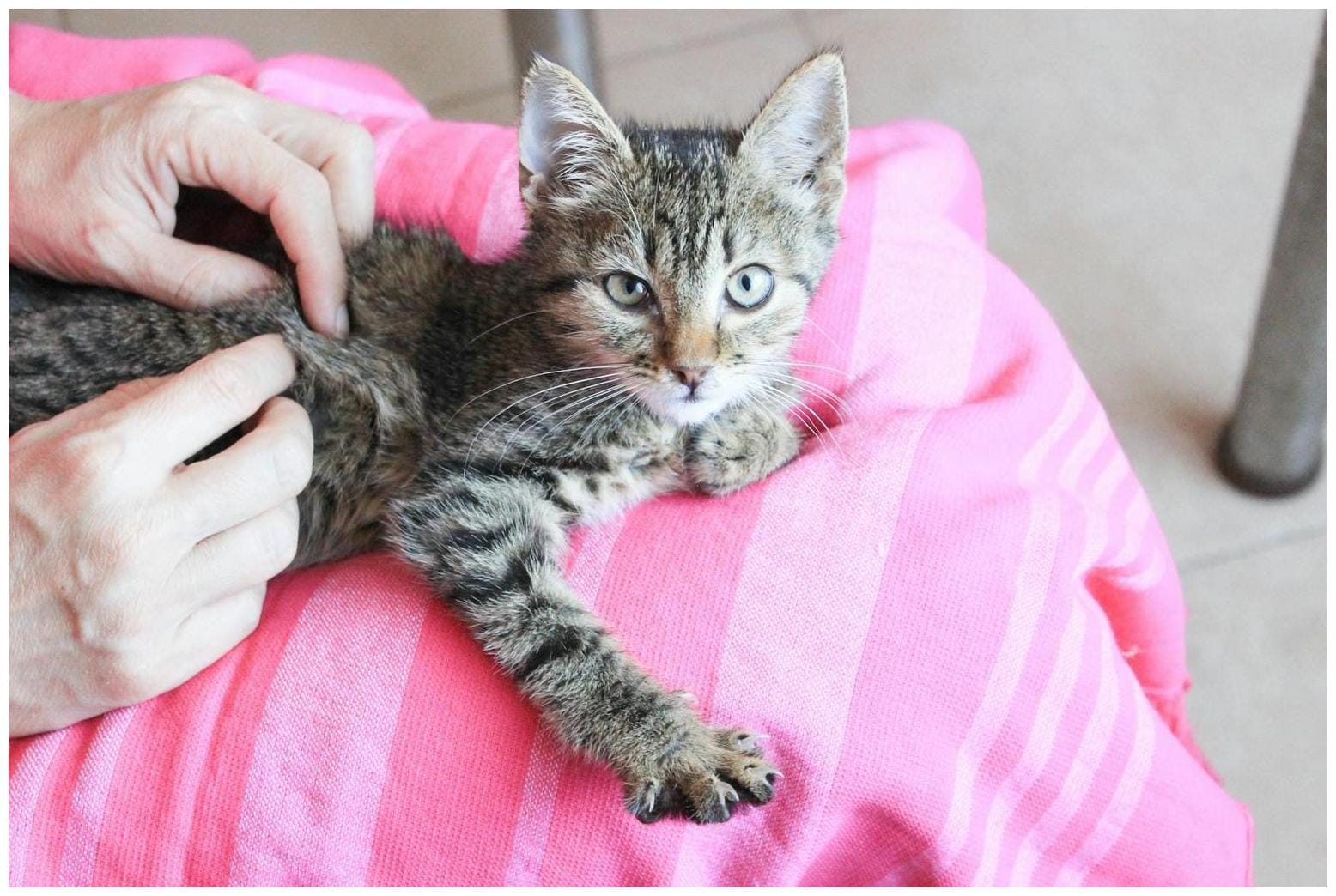
- Start Early for Pet Insurance for Cats: Enroll your cat when they are a kitten or young adult. This minimizes the chance of pre-existing conditions being excluded, ensuring broader coverage for their entire life.
- Understand the ‘Per-Condition’ vs. ‘Annual’ Deductible: Clarify if your chosen policy has a deductible for each new illness/accident or a single annual deductible. An annual deductible is often more cost-effective if your cat faces multiple issues in one year.
- Boost Your Emergency Fund for Cat Health: Even with insurance, keep a separate emergency fund for your cat. This fund can cover your deductible, co-pays, and any procedures or medications not covered by your plan.
- Leverage Your Employer’s Benefits for Cat Insurance: Check if your employer offers pet insurance as a voluntary benefit. Often, these plans come with discounted group rates that can save you a significant amount on premiums.
- Utilize Wellness Plans Strategically: If offered, evaluate wellness add-ons carefully. Calculate if the cost of the add-on is truly less than what you’d pay out-of-pocket for routine care, factoring in annual limits.
- Compare Pet Insurance Policies Annually: Don’t just set it and forget it. As your cat ages and the market changes, compare policies yearly to ensure you still have the best pet insurance for your cat’s evolving needs and your budget.
- Know Your Reimbursement Process: Familiarize yourself with how to submit claims before an emergency happens. Understand what documentation is required and the typical reimbursement timeline to avoid delays.
- Consider a Cat-Specific Policy: Some providers offer plans specifically tailored for felines, potentially providing more targeted coverage or benefits relevant to common cat ailments. Look for these specialized options when you compare.
- Check for Multi-Pet Discounts: If you have more than one cat, inquire about multi-pet discounts. Many insurance providers offer a reduced premium if you enroll multiple pets under the same policy.
- Factor in Future Vet Costs: When assessing if pet insurance is worth it, consider potential future costs for common senior cat ailments like kidney disease, hyperthyroidism, or arthritis, which can become very expensive.
- Start Early for Pet Insurance for Cats: Enroll your cat when they are a kitten or young adult. This minimizes the chance of pre-existing conditions being excluded, ensuring broader coverage for their entire life.
- Understand the ‘Per-Condition’ vs. ‘Annual’ Deductible: Clarify if your chosen policy has a deductible for each new illness/accident or a single annual deductible. An annual deductible is often more cost-effective if your cat faces multiple issues in one year.
- Boost Your Emergency Fund for Cat Health: Even with insurance, keep a separate emergency fund for your cat. This fund can cover your deductible, co-pays, and any procedures or medications not covered by your plan.
- Leverage Your Employer’s Benefits for Cat Insurance: Check if your employer offers pet insurance as a voluntary benefit. Often, these plans come with discounted group rates that can save you a significant amount on premiums.
- Utilize Wellness Plans Strategically: If offered, evaluate wellness add-ons carefully. Calculate if the cost of the add-on is truly less than what you’d pay out-of-pocket for routine care, factoring in annual limits.
- Compare Pet Insurance Policies Annually: Don’t just set it and forget it. As your cat ages and the market changes, compare policies yearly to ensure you still have the best pet insurance for your cat’s evolving needs and your budget.
- Know Your Reimbursement Process: Familiarize yourself with how to submit claims before an emergency happens. Understand what documentation is required and the typical reimbursement timeline to avoid delays.
- Consider a Cat-Specific Policy: Some providers offer plans specifically tailored for felines, potentially providing more targeted coverage or benefits relevant to common cat ailments. Look for these specialized options when you compare.
- Check for Multi-Pet Discounts: If you have more than one cat, inquire about multi-pet discounts. Many insurance providers offer a reduced premium if you enroll multiple pets under the same policy.
- Factor in Future Vet Costs: When assessing if pet insurance is worth it, consider potential future costs for common senior cat ailments like kidney disease, hyperthyroidism, or arthritis, which can become very expensive.