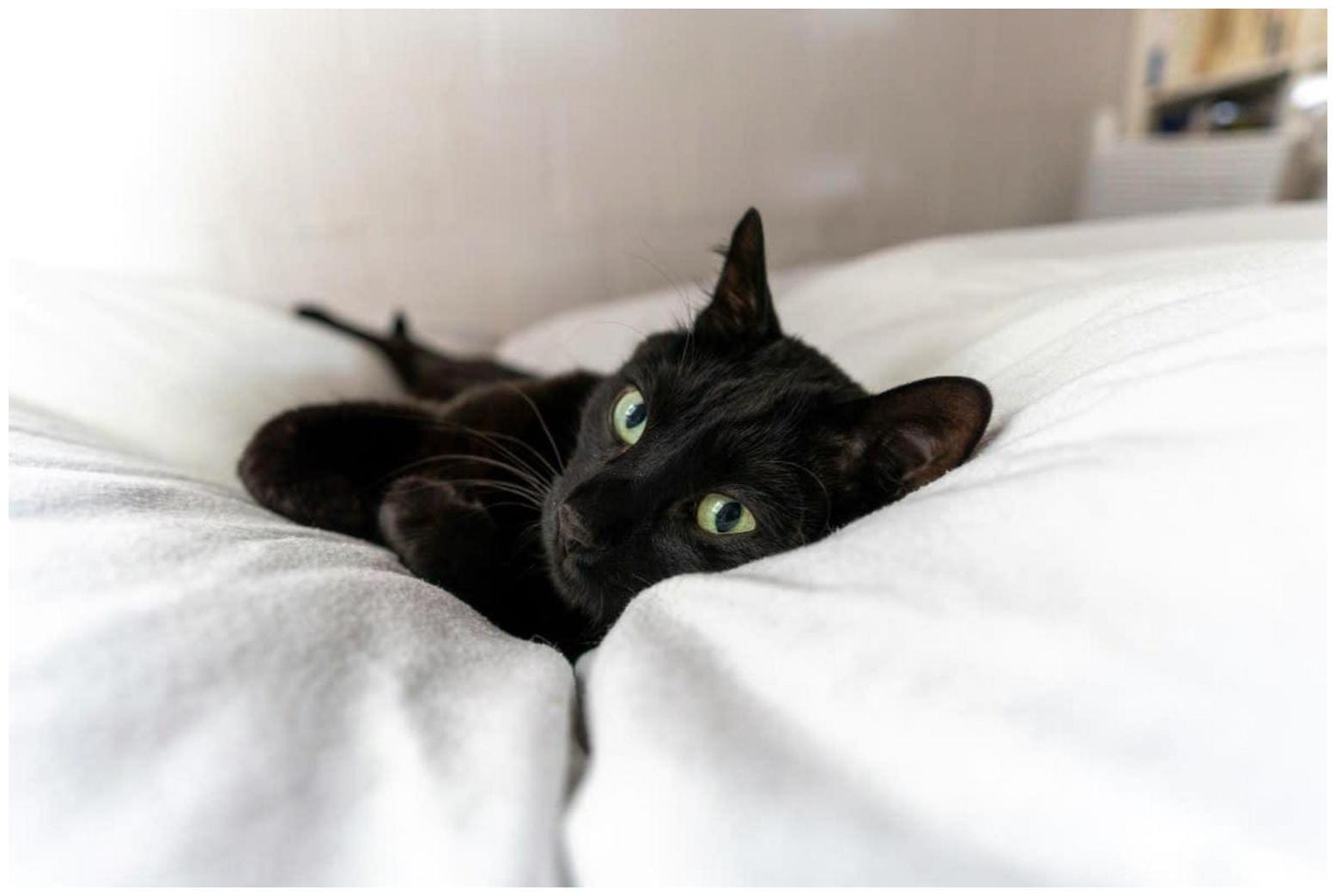
Discover how special needs cat stuffies bring joy and comfort to cats with disabilities. Learn 7 proven ways to enrich your special needs cat’s life with the perfect stuffie companion.
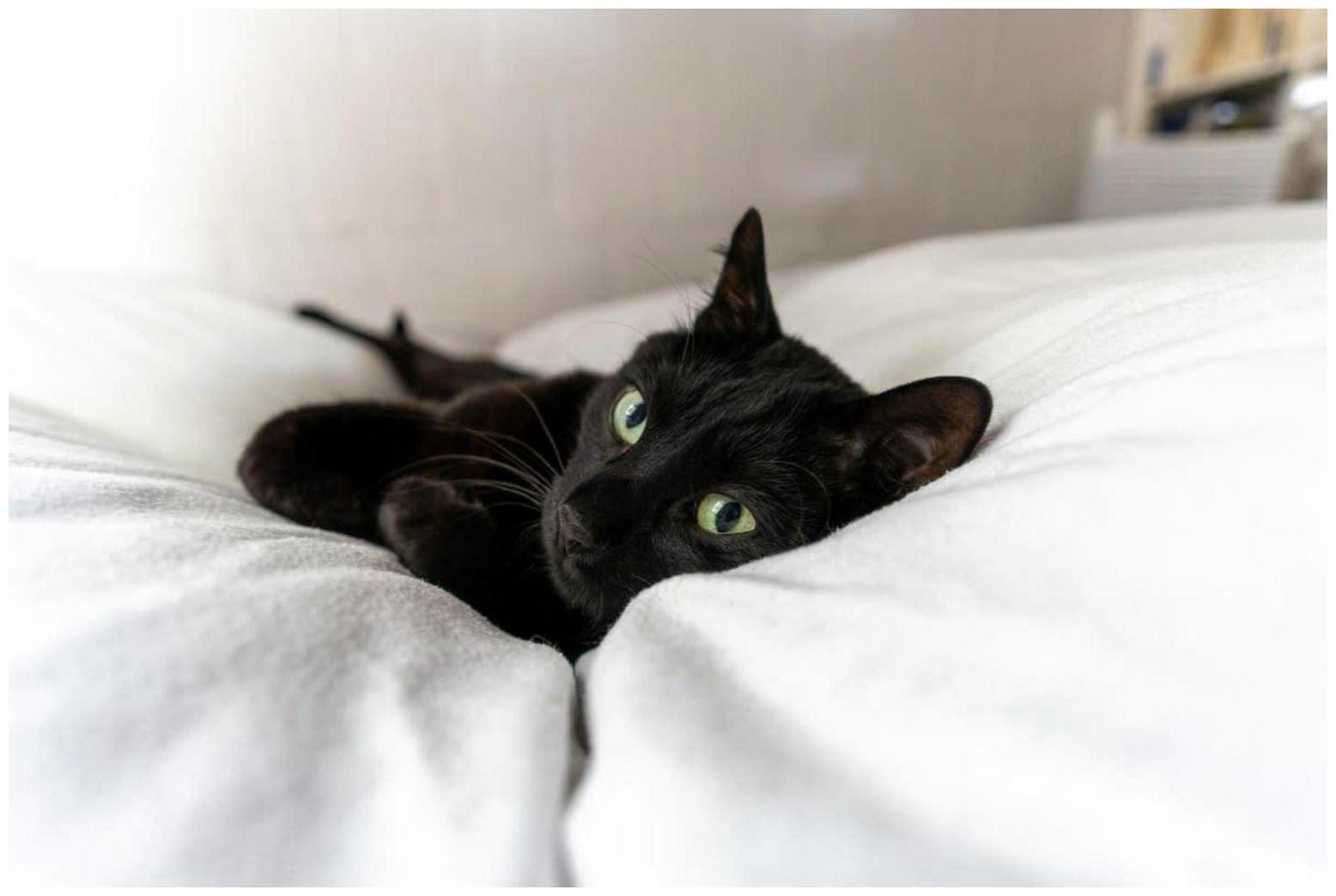
Does your special needs cat light up with excitement when they see their favorite stuffie? Many caring cat parents have discovered the incredible bond between special needs cats and their stuffie companions. These heartwarming moments of joy aren’t just adorable—they’re essential for the emotional wellbeing of cats who face unique challenges.
Understanding the Special Needs Cat Stuffie Connection
Special needs cats often form deep attachments to their stuffies, finding comfort and security in these soft companions. Whether your cat wobbles with cerebellar hypoplasia or faces mobility challenges from other conditions, a stuffie can become much more than a toy—it becomes a trusted friend and source of stability.
The relationship between special needs cats and their stuffies goes beyond simple play. These stuffed animals provide tactile comfort, emotional support, and can even help with sensory regulation. Many special needs cats use their stuffies as anchors during moments of overstimulation or anxiety, creating a sense of safety in their environment.
Why Special Needs Cats Form Strong Bonds with Stuffies
Cats with neurological conditions, mobility issues, or sensory processing differences often experience the world differently than typical cats. A stuffie becomes a consistent, predictable presence that doesn’t judge or overwhelm. For a cat who may struggle with balance or coordination, having a stationary companion they can lean on or cuddle provides both physical and emotional support.
7 Ways Special Needs Cat Stuffies Bring Joy and Comfort
Watching your special needs cat interact with their stuffie is pure magic. Here are seven ways these beloved companions enhance your cat’s quality of life:
1. Providing Emotional Security
Special needs cats often experience heightened anxiety due to their condition. A familiar stuffie serves as a constant companion that doesn’t change or disappear, offering reassurance during stressful times like vet visits or when encountering new environments.
2. Supporting Physical Balance
For cats with cerebellar hypoplasia or other balance disorders, a stuffie can act as a physical support. Many special needs cats will lean against their stuffie when sitting or use it to help maintain their position while resting.
3. Encouraging Gentle Play
Stuffies provide a safe outlet for play that doesn’t require the agility of typical cat toys. Special needs cats can bat at, hug, or gently wrestle with their stuffie at their own pace, building confidence and coordination.
4. Creating Predictable Routines
Cats with special needs often thrive on routine and predictability. Incorporating stuffie time into daily activities helps create structure and gives your cat something to look forward to each day. Understanding how often kittens pee can help establish better routines for your special needs cat.
5. Offering Sensory Comfort
The soft textures of stuffies provide valuable sensory input for cats who may be sensitive to touch or temperature. The consistent feel of their favorite stuffie can be incredibly soothing for cats with sensory processing differences.
6. Facilitating Social Interaction
For special needs cats who may be shy or hesitant around humans, stuffies can serve as intermediaries in social situations. They might feel more comfortable approaching you when you’re holding their stuffie or using it to initiate gentle play.
7. Providing Comfort During Recovery
After medical procedures or during illness, a familiar stuffie can provide immense comfort. The presence of their trusted companion helps reduce stress and promotes healing during vulnerable times.
Choosing the Perfect Stuffie for Your Special Needs Cat
Not all stuffies are created equal when it comes to meeting the needs of special needs cats. The right choice can make a significant difference in your cat’s comfort and enjoyment.
Size and Weight Considerations
For cats with mobility challenges, the size and weight of the stuffie matter significantly. A stuffie that’s too large might be difficult for your cat to move or cuddle, while one that’s too small might not provide adequate support. Look for stuffies that are proportional to your cat’s size and easy for them to manipulate.
Texture and Material Selection
The texture of the stuffie can impact how your special needs cat interacts with it. Some cats prefer ultra-soft materials that are gentle on sensitive skin, while others might enjoy stuffies with varied textures that provide sensory stimulation. Consider your cat’s specific sensitivities when making your selection.
Durability for Special Needs Play
Special needs cats may interact with their stuffies differently than typical cats. Some might knead more vigorously, while others might carry their stuffie around frequently. Choose durable materials that can withstand your cat’s unique play style while remaining safe and comfortable.
Creating a Safe and Enriching Environment
While stuffies provide wonderful enrichment, they’re just one part of creating an optimal environment for your special needs cat. Consider how stuffies fit into your overall approach to supporting your cat’s unique needs.
Strategic Placement of Stuffies
Place stuffies in areas where your cat spends the most time, particularly in spots that offer good support for cats with balance issues. Consider placing a stuffie near their favorite resting spot or in areas where they might need extra confidence, like near litter boxes or food stations. Learning how long you can leave wet cat food out is also important for maintaining a healthy environment.
Rotating Stuffies for Continued Interest
While special needs cats often form strong attachments to specific stuffies, occasionally introducing new options can provide valuable enrichment. Consider having a small collection of stuffies that you rotate periodically to maintain your cat’s interest while keeping their favorites consistently available.
Monitoring Your Cat’s Stuffie Interactions
Pay attention to how your special needs cat uses their stuffie, as this can provide valuable insights into their comfort level and needs. Changes in how they interact with their stuffie might indicate changes in their condition or emotional state.
Recognizing Positive Engagement
Look for signs that your cat is enjoying their stuffie interaction, such as relaxed body language, purring, kneading, or seeking out their stuffie during stressful times. These behaviors indicate that the stuffie is serving its purpose as a source of comfort and joy.
When to Replace a Beloved Stuffie
Stuffies will eventually show wear and tear, especially with daily use by special needs cats. While some cats may resist change, it’s important to replace stuffies when they become unsafe or unhygienic. Consider introducing a new stuffie gradually while keeping the old one available until your cat accepts the replacement.
Common Mistakes to Avoid with Special Needs Cat Stuffies
Even with the best intentions, cat parents sometimes make mistakes when introducing stuffies to their special needs cats. Being aware of these common pitfalls can help you create a more positive experience.
Forcing Stuffie Interaction
Never force your special needs cat to interact with a stuffie. While many cats naturally gravitate toward soft companions, others may prefer different forms of enrichment. Respect your cat’s preferences and let them approach stuffies at their own pace.
Choosing Unsafe Materials
Avoid stuffies with small parts, loose threads, or materials that could be harmful if ingested. Special needs cats might chew or mouth their stuffies more than typical cats, so safety should be your top priority when making selections.
Neglecting Regular Cleaning
Stuffies can harbor bacteria and allergens, especially with frequent use. Establish a regular cleaning routine for your cat’s stuffies, being mindful of any sensitivities your cat might have to detergents or cleaning products.
Expert Advice for Maximizing Stuffie Benefits
Veterinarians and animal behaviorists recognize the value of stuffies for special needs cats. Here are some expert-recommended strategies for getting the most benefit from stuffie enrichment.
Incorporating Stuffies into Therapy
For cats undergoing physical therapy or rehabilitation, stuffies can be valuable tools. Physical therapists might recommend specific ways to use stuffies to encourage movement, improve balance, or provide comfort during challenging exercises.
Using Stuffies for Positive Reinforcement
Stuffies can be powerful tools for positive reinforcement training. Reward your special needs cat for desired behaviors by incorporating their favorite stuffie into training sessions, making the experience more enjoyable and less stressful.
The Heartwarming Impact of Special Needs Cat Stuffies
The joy that special needs cats experience with their stuffies extends far beyond simple play. These soft companions provide emotional support, physical assistance, and a sense of security that can dramatically improve quality of life for cats facing unique challenges.
When you see your special needs cat wobbling with excitement over their lookalike stuffie, you’re witnessing more than just a cute moment—you’re seeing the profound impact that thoughtful enrichment can have on a cat’s wellbeing. The bond between special needs cats and their stuffies is a beautiful reminder of the resilience and capacity for joy that exists in all cats, regardless of their challenges.
By understanding your special needs cat’s unique requirements and choosing appropriate stuffie companions, you’re providing them with not just a toy, but a true friend who supports them through every wobble and triumph. The love and comfort that stuffies provide helps special needs cats live their happiest, most fulfilling lives.
- Choose Lookalike Stuffies: Select stuffies that resemble your special needs cat to create a familiar and comforting presence that your cat will naturally gravitate toward and recognize as a companion. Consider checking out special needs cat stuffie options that are specifically designed for cats with unique needs.
- Introduce Gradually: Allow your special needs cat to discover their stuffie at their own pace, placing it in areas where they already feel comfortable rather than forcing immediate interaction. This approach is especially important for cats who may be sensitive to new experiences, similar to how you would introduce how to stop a kitten from biting training.
- Create Stuffie Stations: Set up multiple stuffie locations throughout your home, especially in areas where your cat needs extra support like near food, litter boxes, or favorite resting spots. This is particularly helpful for cats with mobility issues who may need support in different areas of the house.
- Monitor Stuffie Condition: Regularly inspect stuffies for wear and tear, replacing them when they become unsafe while keeping the old one available during the transition period to reduce stress. This is crucial for maintaining your cat’s emotional security and preventing any potential hazards.
- Use Stuffies for Therapy: Incorporate your cat’s favorite stuffie into physical therapy sessions to provide comfort and motivation during exercises that might otherwise cause anxiety or resistance. Many veterinarians recommend using familiar objects like stuffies to make therapy more effective and less stressful.
- Consider Weighted Options: For cats who benefit from deep pressure stimulation, weighted stuffies can provide additional sensory comfort and help with balance and spatial awareness. These specialized stuffies can be particularly beneficial for cats with neurological conditions.
- Maintain Hygiene: Establish a cleaning routine for stuffies using pet-safe detergents, as special needs cats may spend extended periods with their companions and hygiene is crucial for health. Regular cleaning prevents the buildup of bacteria and allergens that could affect your cat’s wellbeing.
- Document the Joy: Capture photos and videos of your special needs cat’s interactions with their stuffie to share with your veterinarian and track progress in their emotional and physical development. These records can be valuable for monitoring your cat’s quality of life over time.